 By
By
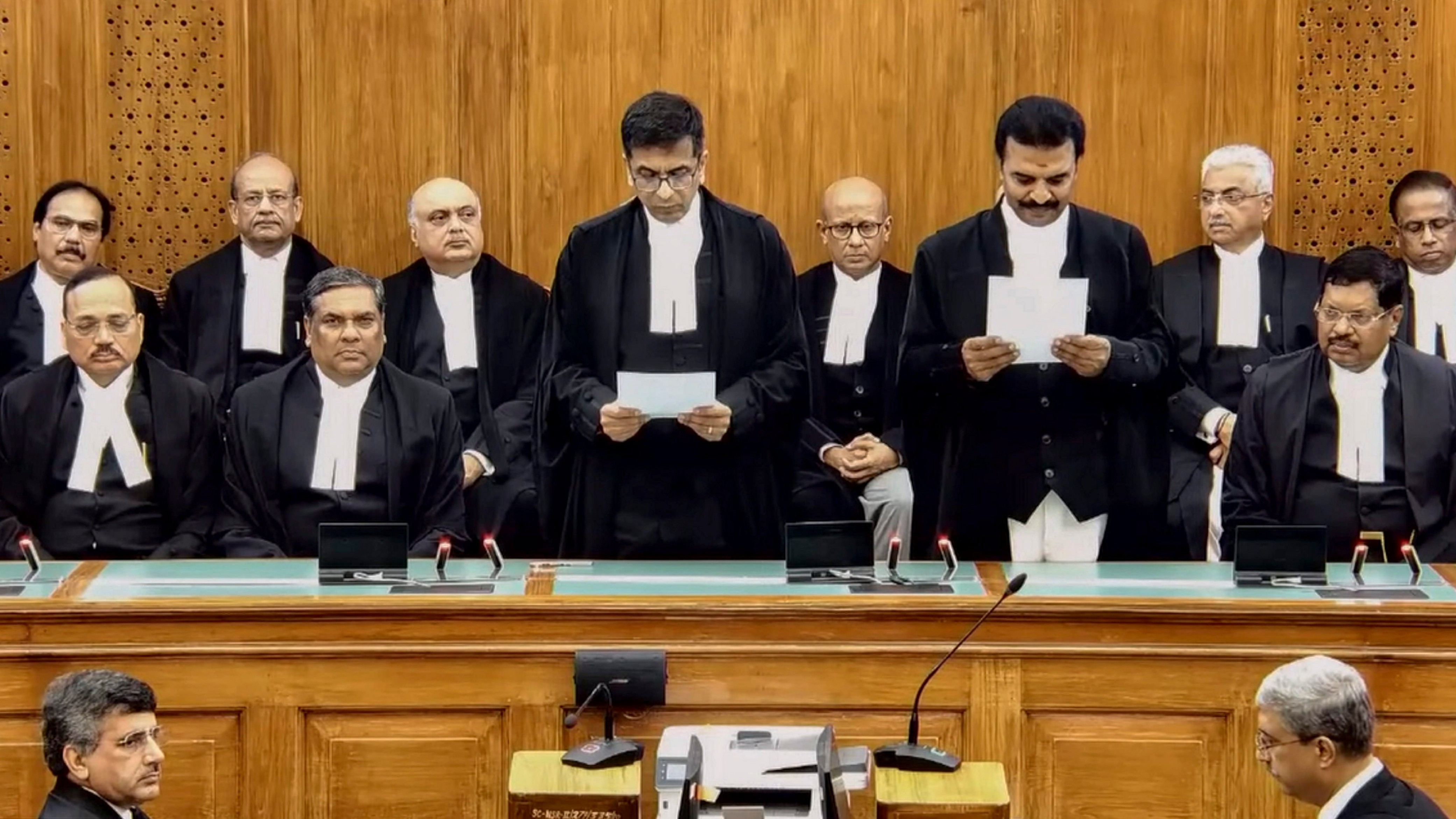
India’s Supreme Court has delivered an important ruling for amputees and for the wider orthotics and prosthetics sector, holding that compensation in motor accident cases must reflect not only the upfront cost of a prosthetic limb, but also its ongoing maintenance and periodic replacement. The judgment reinforces a simple but often overlooked reality: for many amputees, a prosthesis is not a one-time expense but an essential, long-term part of daily life.
The ruling came in a case involving Prahlad Sahai, a driver who lost his right leg below the knee after a 2007 road accident involving a Haryana Roadways bus. In its April 2026 judgment, the Supreme Court said compensation must be assessed in a way that restores the injured claimant, as far as possible, to the position he would have occupied had the accident not occurred. The bench stressed that a prosthetic limb is not merely a medical aid, but something that helps restore mobility, confidence, self-belief and dignity.
That distinction matters for the O&P field. Courts and insurers have often treated prosthetic provision as a single capital item, but the Supreme Court recognised that high-quality artificial limbs require regular servicing and replacement over time. The judgment notes arguments before the Court that a prosthetic limb may need replacement roughly every five years, with recurring repair and maintenance costs in between.
The decision significantly increased the compensation awarded in the case. According to reporting on the ruling, the Court raised the claimant’s payout by more than fourfold after finding that earlier compensation standards had failed to account properly for the real lifetime cost of prosthetic use. The Court’s reasoning moved beyond a narrow accounting approach and instead framed prosthetic access as central to functional recovery and dignified living.
For orthotic and prosthetic professionals, this is a meaningful development because it aligns legal thinking more closely with clinical reality. A prosthesis is not a static product handed over once and forgotten. It requires fitting, follow-up, alignment checks, component servicing, socket changes, consumables, and eventual replacement as wear, residual limb change, or functional demands evolve. The Court’s ruling effectively acknowledges that continuity of prosthetic care is part of the injury’s long-term consequence, not an optional extra. This is an inference from the judgment’s emphasis on maintenance and replacement, but it is directly supported by the Court’s reasoning on lifetime need.
The judgment also has broader implications for motor accident compensation law in India. It signals that tribunals and insurers may need to take a more realistic approach when assessing assistive technology costs, especially in serious limb-loss cases. That could influence not just prosthetic compensation, but also how courts think about rehabilitation expenses, follow-up care, and long-term functional support more generally. This is an informed interpretation of the judgment’s direction rather than a verbatim holding beyond the prosthetic issue itself.
From a market perspective, the ruling is also relevant because it strengthens the case for quality prosthetic provision rather than minimum-cost substitution. Reports on the judgment say the Court specifically recognized the need for a high-quality prosthetic limb, rejecting the idea that compensation should be calculated around the cheapest possible option. That is especially important in a market where component quality, fit, durability and service support can have a major effect on mobility outcomes and long-term cost efficiency.
For India’s O&P sector, the decision may encourage more detailed documentation of lifetime prosthetic needs in medico-legal cases. Clinicians, prosthetists and rehabilitation specialists may increasingly be asked to help quantify replacement cycles, maintenance requirements, expected wear, and long-term device planning. That could create more space for clinical evidence and real-world prosthetic costing to play a role in compensation decisions. This is a forward-looking inference, but it follows logically from the Court’s insistence that prosthetic maintenance must be factored into just compensation.
The wider significance is clear: the Supreme Court has pushed Indian accident compensation law closer to the lived reality of limb loss. For amputees, that means a better chance of securing compensation that reflects ongoing prosthetic dependence rather than a single purchase price. For the orthotics and prosthetics sector, it is a reminder that good prosthetic care is a long-term clinical service pathway, not simply a one-off device transaction.