 By
By
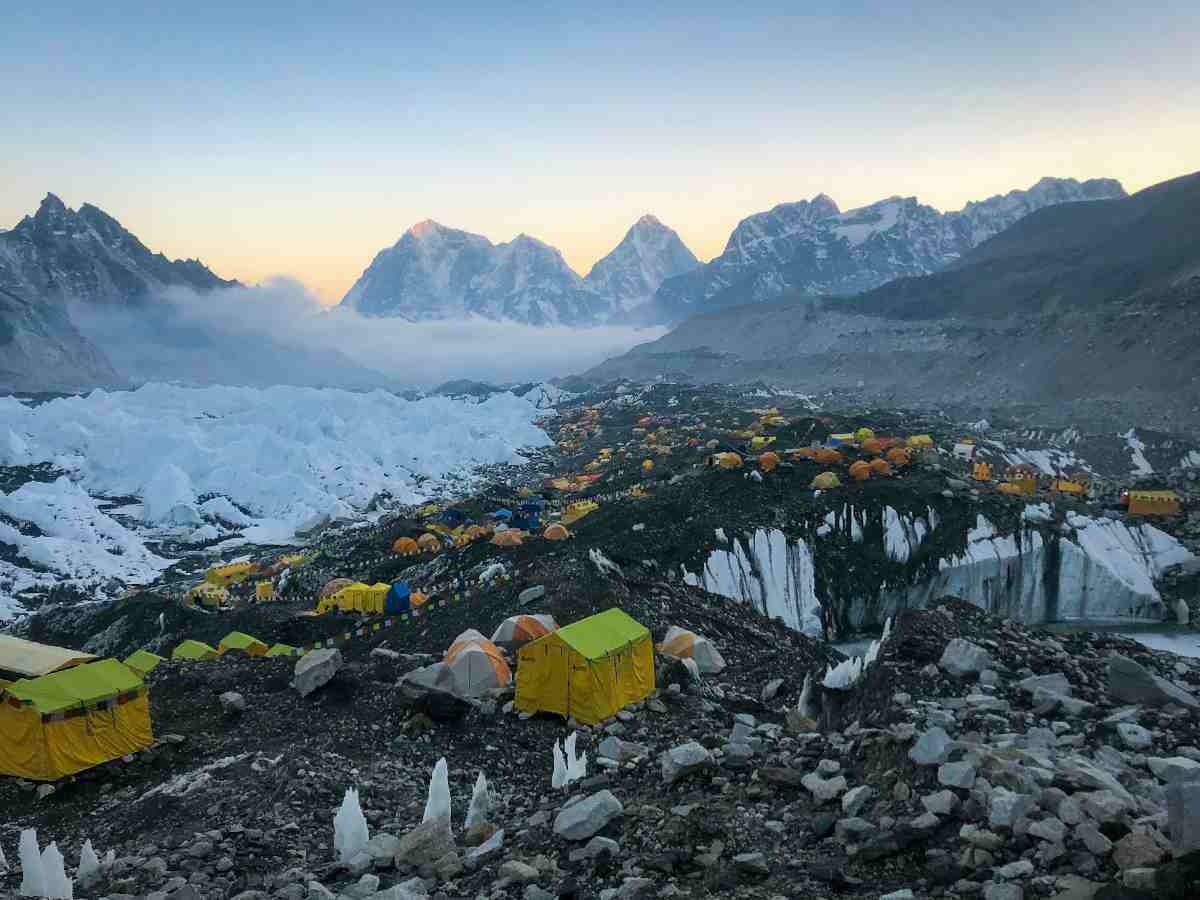
A group led by the Tinkesh Ability Foundation (TAF) is set to undertake what has been described as India’s largest disability-inclusive expedition to Everest Base Camp, bringing together disabled and non-disabled participants for a trek scheduled from April 4 to April 19, 2026. According to The Patriot, the team includes wheelchair users, amputees, and participants with visual impairments, making it one of the most visible inclusive adventure initiatives of its kind from India.
The expedition is being led by Tinkesh Kaushik, founder and director of TAF, who previously made headlines after completing the Everest Base Camp trek as what multiple reports described as the world’s first triple amputee to do so. That earlier achievement was reported by outlets including NDTV and The Print, and now appears to be forming the foundation for a broader inclusion-led mountain programme rather than a one-off personal milestone.
According to The Patriot, the April 2026 team includes participants from a range of professional and personal backgrounds, including Priyanka Agarwal, a visually impaired product manager; Dr Rupinder Kaur, a polio survivor and wheelchair user; Sameer Deshmukh, a right-leg amputee returning to trekking after a 2024 accident; Sai Prasad Vishwanathan, a wheelchair user and educator; and amputee trekkers Dipendra Singh and Vikas Thakorbhai Patel. Posts linked to TAF’s own social channels also describe the trek as an inclusive team effort designed to show that high-altitude adventure can be opened up to a wider range of participants.
What makes the story especially relevant is that the mission is being framed not simply as a mountaineering challenge, but as an argument for reasonable accommodation and wider accessibility in adventure environments. The Patriot reports that the foundation wants the journey to challenge social stereotypes and push for more inclusive thinking in extreme outdoor settings. In that sense, the trek sits at the intersection of disability inclusion, public visibility, and practical questions about access.
The initiative also builds on earlier inclusive expeditions backed by TAF. The Patriot reports that in October 2024, two participants and two trek leaders sponsored by the foundation completed an inclusive Everest Base Camp trek, and that Chhonzin Angmo became the first blind Indian woman to complete the EBC trek. Later reporting from NDTV noted that Angmo went on to summit Mount Everest in May 2025, further underlining how inclusive expedition pathways can evolve into much bigger achievements.
The foundation’s broader Himalayan programme also appears to be growing. The Times of India reported in April 2025 that Kaushik was leading an inclusive expedition to Annapurna Base Camp, with a team of disabled and non-disabled participants. The Patriot describes the 2026 Everest Base Camp trek as TAF’s second major Himalayan milestone after that Annapurna effort, suggesting a more deliberate model of inclusive expedition-building is now taking shape.
For IMEA CPO readers, the story is less about mountaineering alone and more about what visible, high-profile inclusion can do. Disability inclusion in sport and adventure does not replace the need for everyday access to rehabilitation, mobility, prosthetic care, orthotic support, and environmental accessibility. But public achievements like this can help widen expectations around what disabled people can do when the right support, preparation, and accommodations are in place. That is an inference, but it is consistent with the foundation’s stated goals and the way the expedition is being presented.
It is also a reminder that inclusion is increasingly being defined not only by access to healthcare or education, but by access to challenge, ambition, travel, and public life. If the expedition succeeds in the way TAF intends, it could strengthen the case for more accessible trekking, adaptive outdoor programming, and broader corporate and institutional support for inclusive adventure in India and beyond.