 By
By
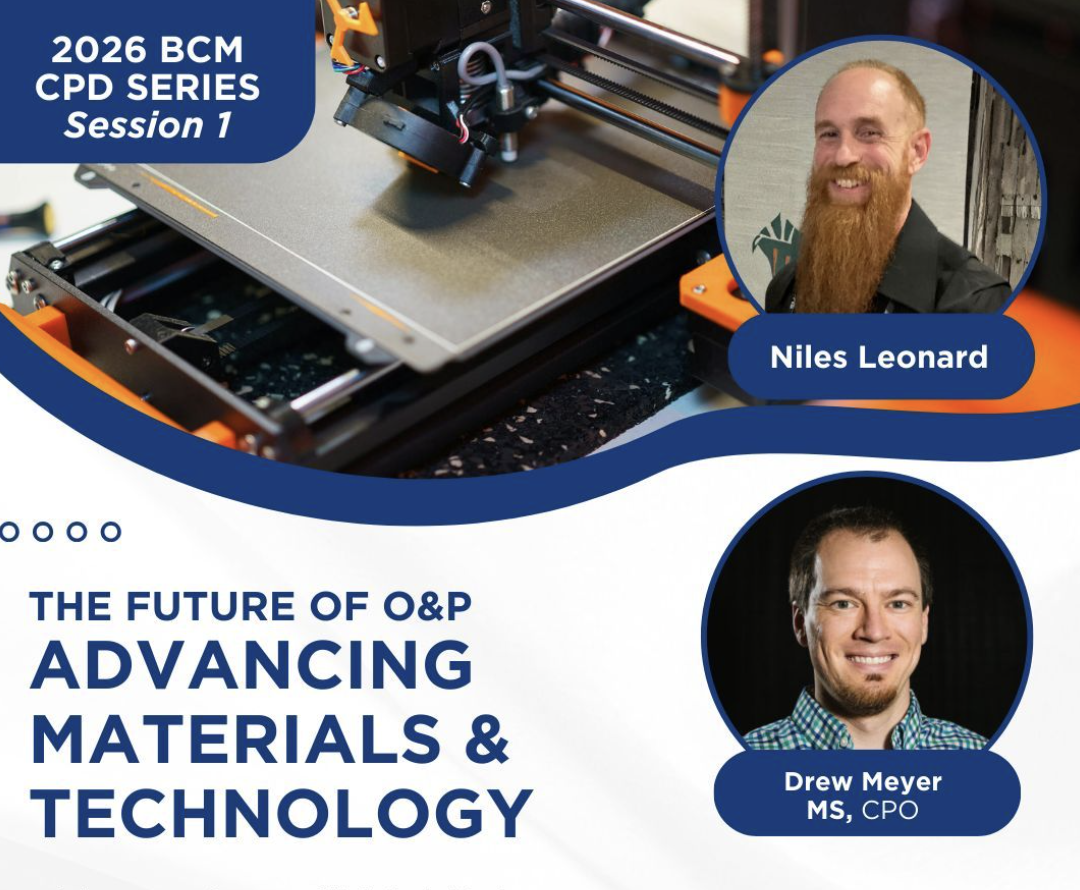
A free continuing professional development session scheduled for Monday, April 6, 2026 will explore how additive manufacturing and thermoforming are reshaping fabrication in orthotics and prosthetics, as the field moves beyond early experimentation and toward more practical questions around clinical fit, workflow, and profitability.
The session, titled “Advancing Materials & Technology,” is part of a broader 2026 Continuing Professional Development Series running on the first Monday of each month from April to November, delivered virtually via Teams, with 1.25 CEUs available per session and free registration. According to the event promotion, the April opening session will feature Drew Meyer, MSPO, CPO, covering developments in additive manufacturing, alongside Niles Leonard, who will discuss advances in thermoforming, including updated techniques, material improvements, and fabrication efficiencies.
That combination is especially relevant for today’s O&P market. Digital fabrication is no longer being judged only on novelty. The more important question now is how clinics and labs can use these technologies in ways that are repeatable, clinically appropriate, and commercially sustainable. That framing comes through clearly in Drew Meyer’s post, which argues that 3D printing in O&P has moved beyond the “cool hobby” stage and into a more serious phase focused on profitability and clinical value.
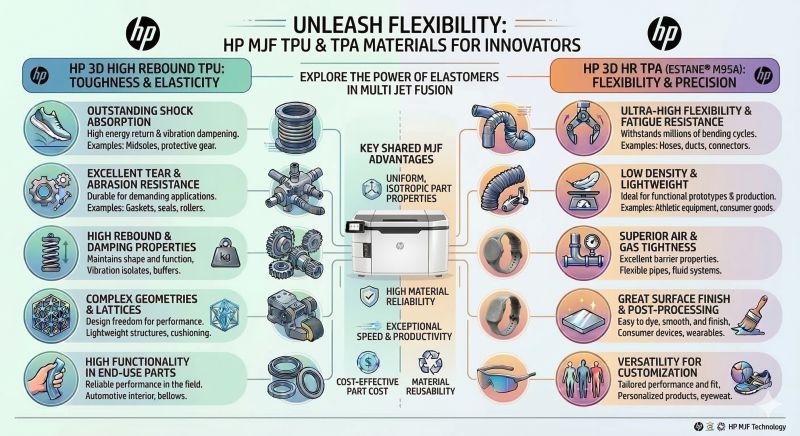
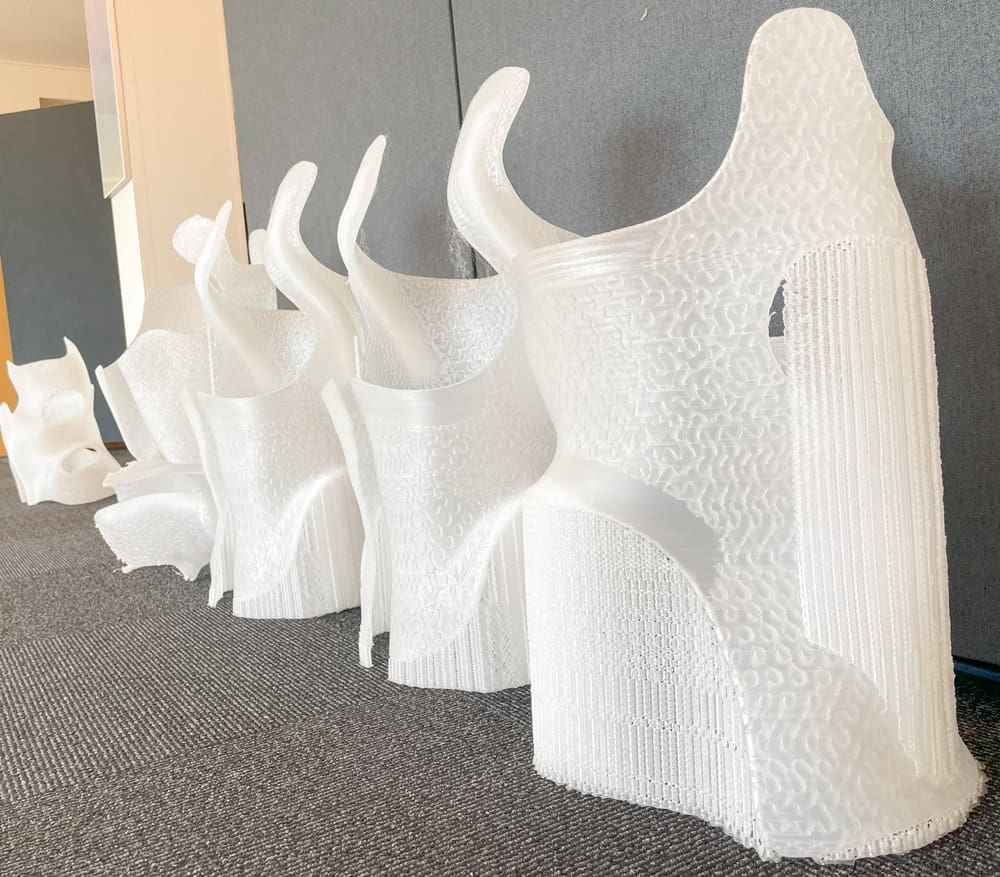
According to Meyer’s outline, the session will include a breakdown of what he describes as the “big three” additive manufacturing categories used in O&P-relevant production: powder bed fusion, material extrusion, and vat polymerization. The presentation will also look at common materials used across those processes, basic application examples, and the role of post-processing, including vapor smoothing, which Meyer highlights as an important step in making 3D-printed orthotic products more hygienic and professionally finished.
Just as importantly, the session does not appear to present digital fabrication as a complete replacement for conventional methods. Meyer’s summary says the discussion will also address where traditional thermoforming still wins, which gives the event a more grounded tone than many technology-led presentations. That should make it particularly relevant for clinicians and technicians who are trying to decide not whether digital fabrication matters, but where it fits best in a real production environment.
For IMEA CPO readers, that practical angle is the real value. Across many O&P markets, the conversation has already shifted from whether 3D printing is interesting to whether it can be integrated into day-to-day service delivery without adding unnecessary complexity. A session that places additive manufacturing alongside thermoforming, rather than in opposition to it, is likely to resonate with teams trying to balance innovation with throughput, cost control, and clinical reliability. This is an inference based on the event description and speaker framing.
The event is scheduled for 12:00 noon CST on April 6, 2026, and organizers say registration is free.
Register here: CPD Series registration link