 By
By
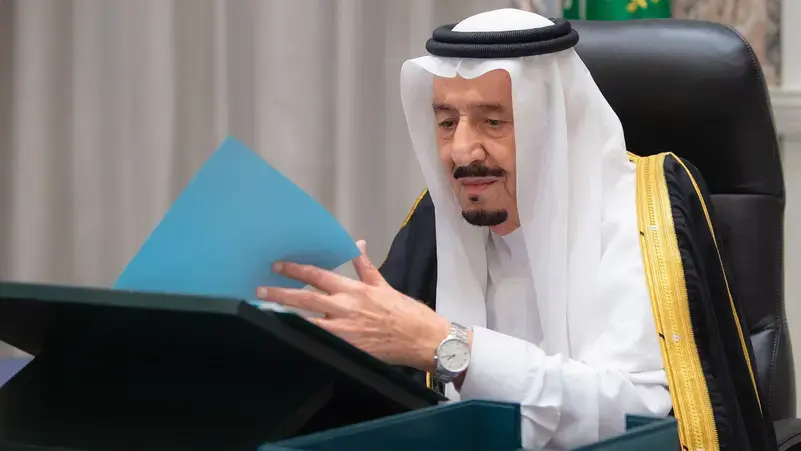
Saudi aid agency KSrelief says it has implemented mine-clearance programmes in Yemen, Iraq and Azerbaijan at a total cost of more than $294 million, underlining the scale of the continuing explosive-hazard threat in conflict-affected communities. The figure was reported by the Saudi Press Agency and carried by Arab News on April 5, 2026.
The largest share of that funding has gone to Project Masam in Yemen, which focuses on removing landmines, unexploded ordnance, and improvised explosive devices planted across the country. According to the report, Masam alone accounts for more than $290 million of the total programme spend.
Since its launch in 2018, Masam teams have reportedly removed more than 550,000 landmines and other explosive devices and cleared nearly 78 million square meters of land. The project’s stated aim is to make villages, roads, farms, and vital facilities safe again for local communities living with the long tail of conflict contamination.
The report also highlights the size of the operational effort behind the work. It says almost 750 people, including specialists and experts from around the world, are involved in the programme’s complex clearance activities, and that some team members have themselves been injured while carrying out the work.
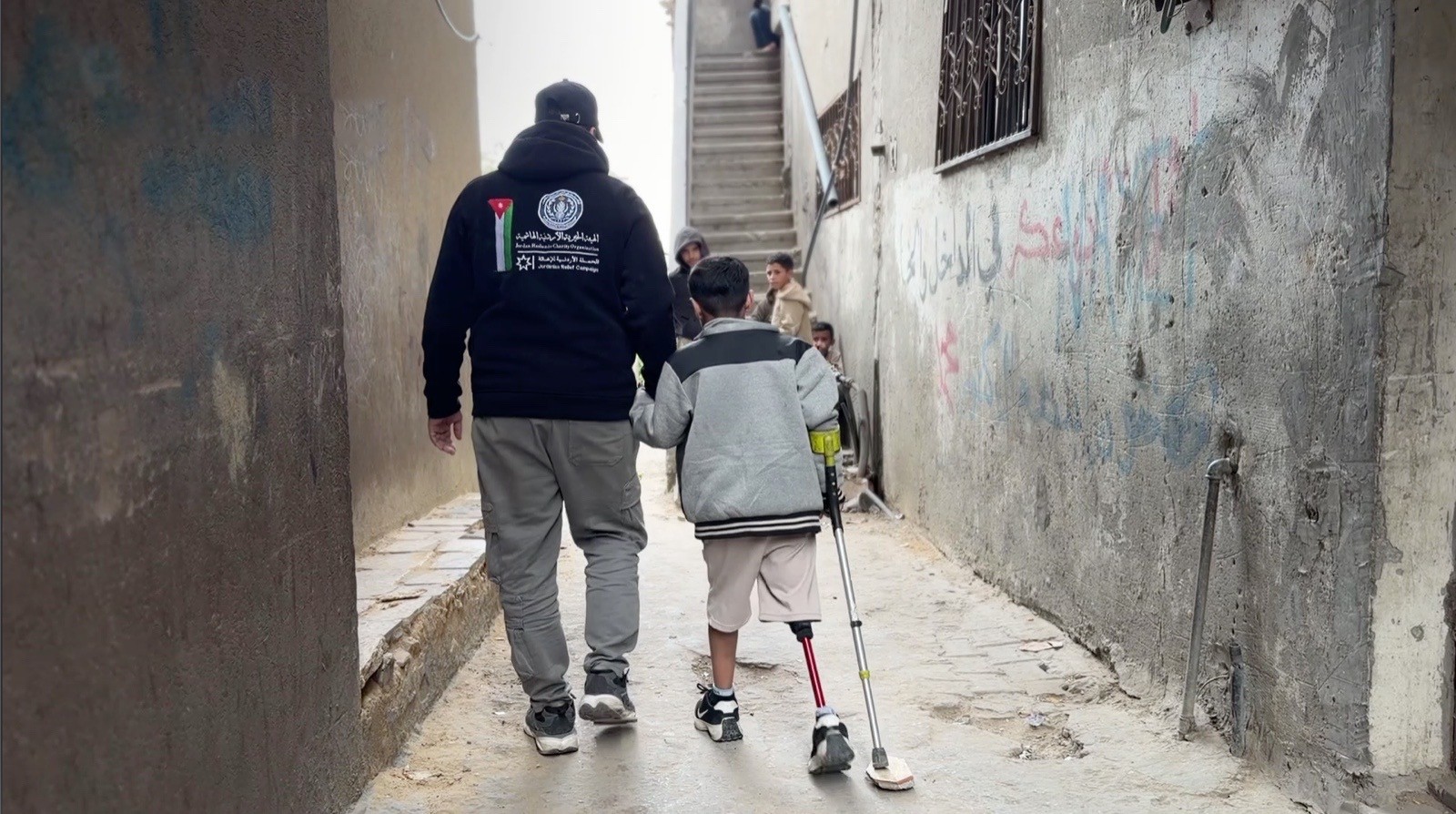
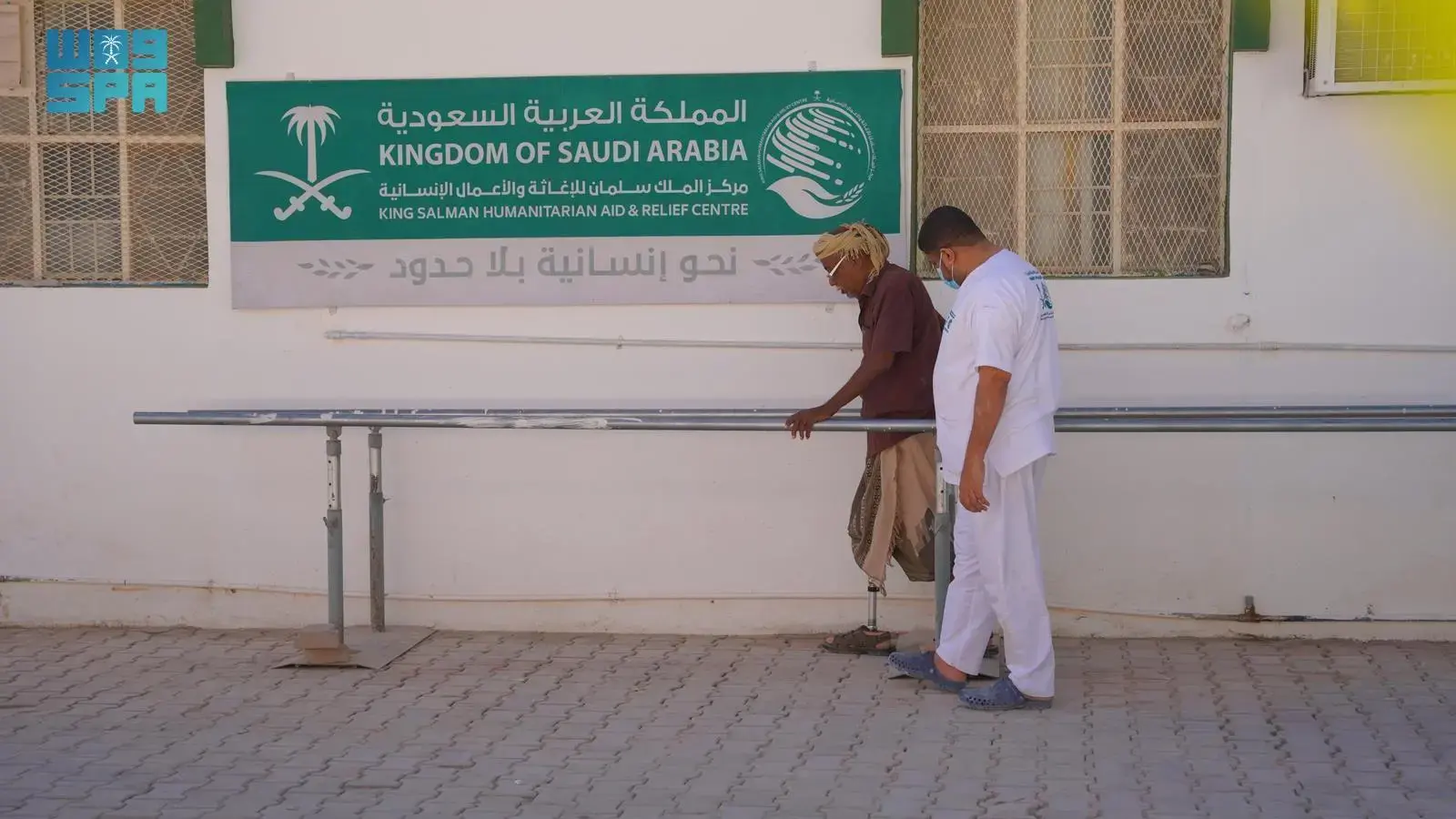
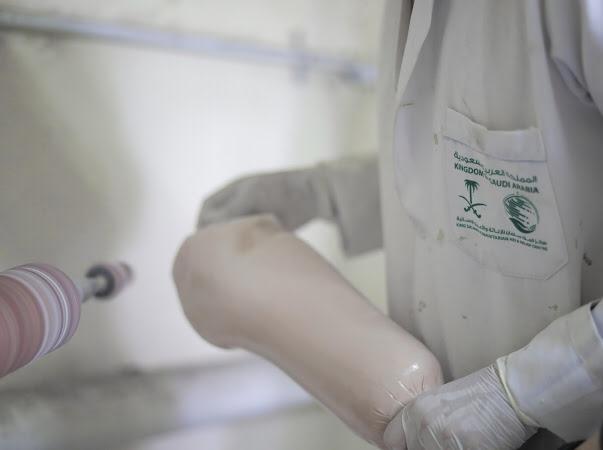
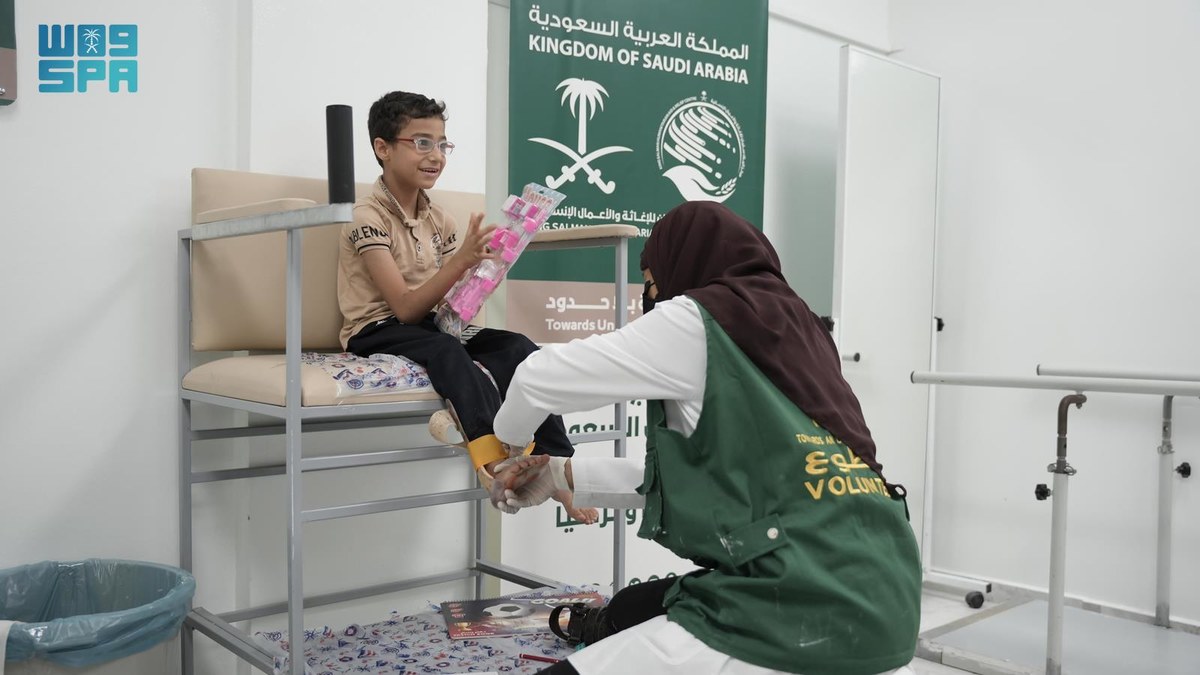
For IMEA CPO readers, the most relevant part of the story is that KSrelief’s role is not limited to mine clearance alone. The agency also runs a prosthetics programme for people affected by mines, providing artificial limbs and rehabilitation services. According to the report, almost 92,000 people have benefited from that programme since its launch.
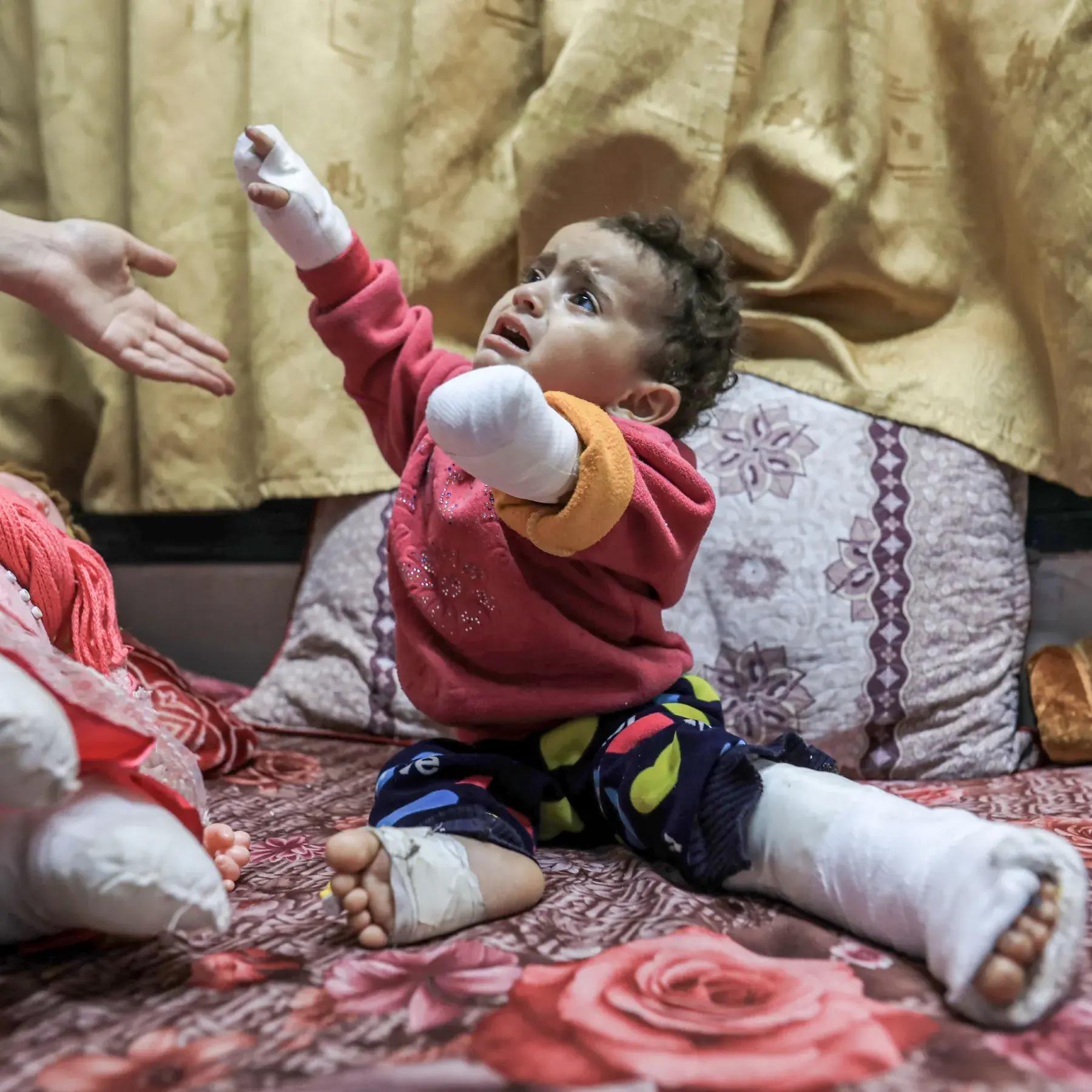
That matters because mine action is not only about removing explosives from the ground. It is also about responding to the long-term consequences for survivors who live with amputation, limb loss, mobility limitations, and other life-changing injuries. In practical terms, that means the humanitarian response has to include prosthetics, orthotics, physiotherapy, mobility support, follow-up care, and social reintegration, not just demining operations. This is an inference from the report’s pairing of clearance work with prosthetics services.
The article also notes that similar KSrelief-supported mine projects are underway in Iraq, where the agency leads a $1 million funding memorandum for survey and clearance work in several areas, and in Azerbaijan, where it is supporting a $3 million minesweeping initiative. While Yemen remains by far the largest focus, the broader regional picture shows that explosive remnants of conflict continue to shape humanitarian and rehabilitation demand beyond a single country.
The timing of the report is significant. It was published around the International Day for Mine Awareness and Assistance in Mine Action, observed each year on April 4, and repeated a UN estimate that globally one person every hour is killed or injured by a landmine, unexploded ordnance, or improvised explosive device. The report adds that civilians, especially children, are the worst affected.
For the O&P sector, this is the bigger takeaway. Where explosive contamination persists, rehabilitation demand does not end when the headlines fade. Clearance programmes reduce future injuries, but survivors already living with limb loss and permanent disability still need sustained access to devices, repairs, fitting, therapy, and long-term support. In that sense, the KSrelief update is not just a demining story. It is also a reminder of the enduring relationship between conflict, disability, and rehabilitation need across the region. This is an inference, but it is strongly supported by the report’s emphasis on both mine removal and prosthetic rehabilitation.