 By
By
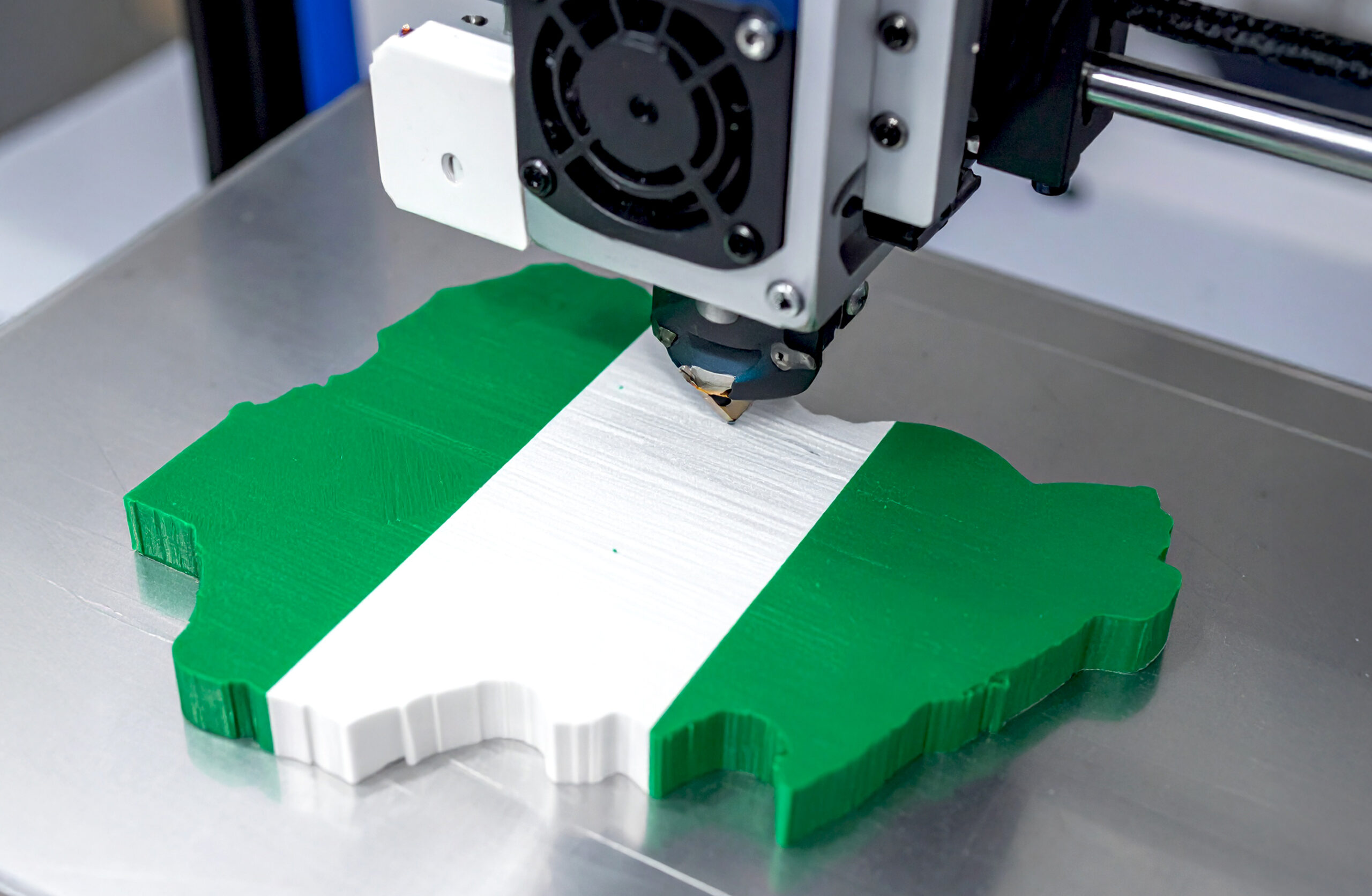
A newly launched Nigerian 3D printing company is positioning itself not only as a technology business, but also as a platform for youth empowerment and practical industrial problem-solving. According to Leadership, the firm, SL Solutions, has been unveiled with ambitions to support young Nigerians while building capacity in additive manufacturing and digital production.
While the original report is framed around youth empowerment, the wider significance lies in what that could mean for local manufacturing capability. Leadership says SL Solutions is set to serve multiple high-impact sectors, including the rapid prototyping of components and spare parts in oil and gas. That detail matters because it suggests the company is not presenting 3D printing as a novelty service, but as a practical industrial tool with relevance for real supply-chain and fabrication needs.
For IMEA CPO readers, that is the most interesting angle. Across emerging markets, 3D printing often gains attention first through innovation headlines, but its longer-term value usually depends on whether it can solve real production bottlenecks, reduce lead times, support customization, and help local teams build technical confidence. A Nigerian company linking additive manufacturing with youth capability development could therefore matter well beyond the startup story itself. This is an inference from the company’s stated positioning and the sectors referenced in the report.
The launch also fits into a broader pattern in Nigeria, where additive manufacturing is increasingly being discussed as part of skills development, prototyping, and locally relevant innovation. Recent reporting on STEM and innovation programmes in the country has shown growing interest in using 3D printing and embedded systems to give younger Nigerians more hands-on exposure to product development and technical problem-solving.
That broader context matters because youth empowerment through technology is often most meaningful when it goes beyond coding alone and includes physical design, fabrication, and manufacturing workflows. If companies such as SL Solutions can help bridge the gap between ideas and physical production, they may play a useful role in strengthening Nigeria’s innovation pipeline. That is an inference, but it aligns with the launch narrative and the wider national emphasis on innovation tools such as 3D printing.
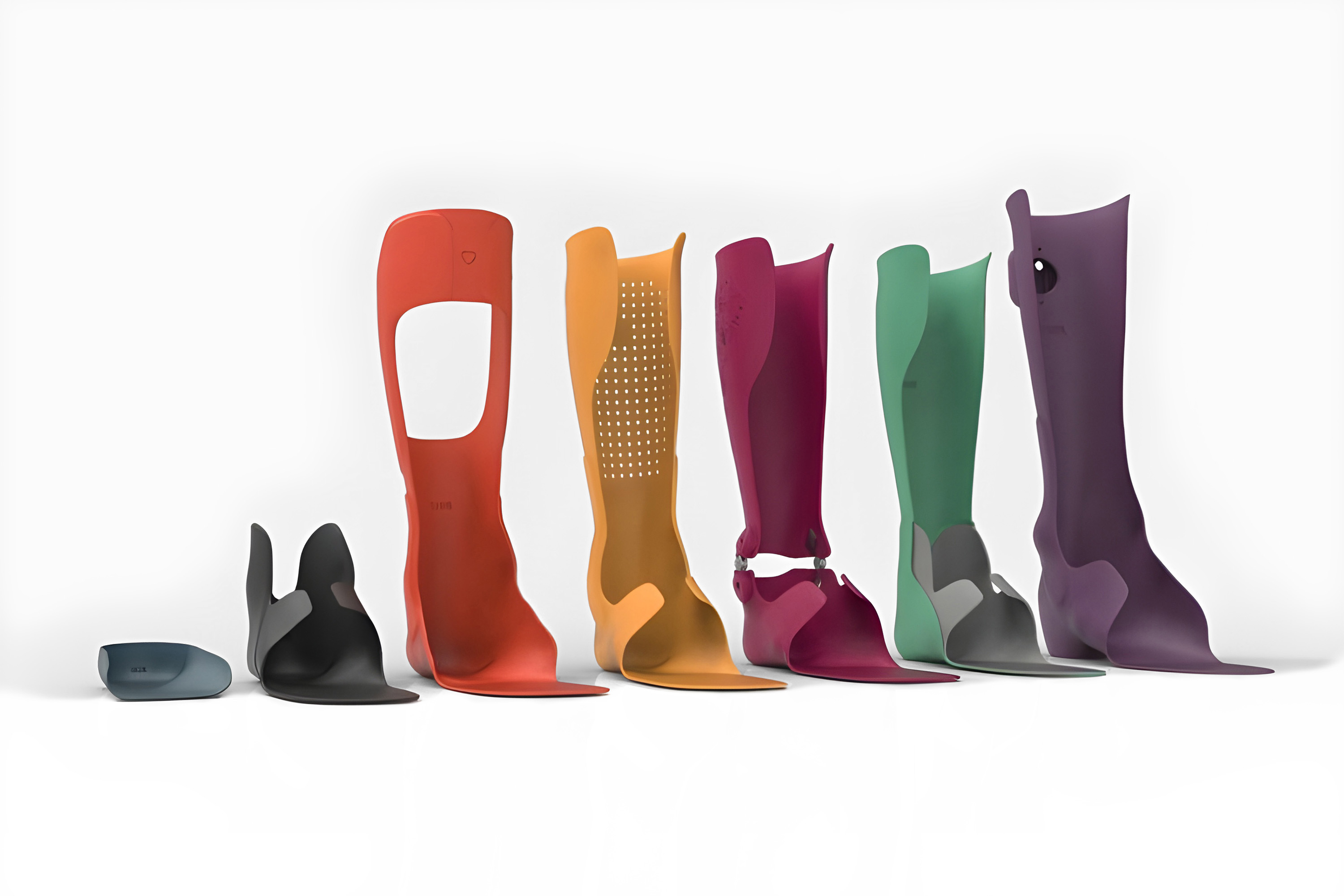
For the orthotics, prosthetics, and rehabilitation sector, stories like this are also worth watching because additive manufacturing ecosystems do not develop in isolation. As local expertise grows in areas such as prototyping, design iteration, and small-batch production, there can be spillover benefits for health technology, assistive products, orthotic design, and custom fabrication. The article itself does not say SL Solutions is working in O&P, so that should not be assumed, but the wider growth of local 3D printing capacity is still relevant to the sector.
At this stage, the strongest conclusion is that SL Solutions is trying to position 3D printing as both an economic opportunity and a technical empowerment tool. Whether it becomes a major player will depend on execution, market adoption, and the practical value it delivers to clients and trainees. But the launch reflects a positive shift in how additive manufacturing is being framed in Nigeria: less as a futuristic talking point, and more as a real production and skills platform.