 By
By
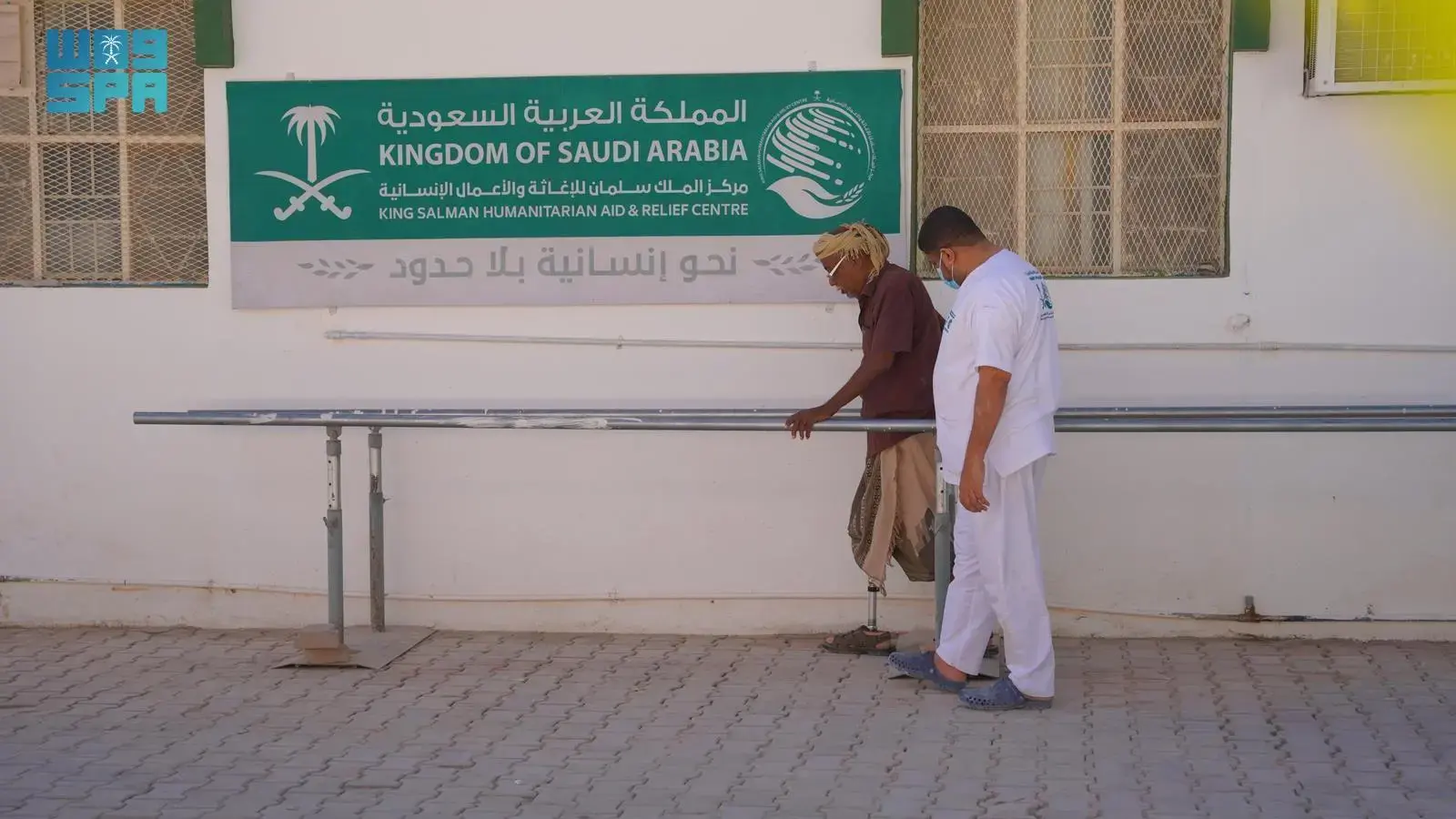
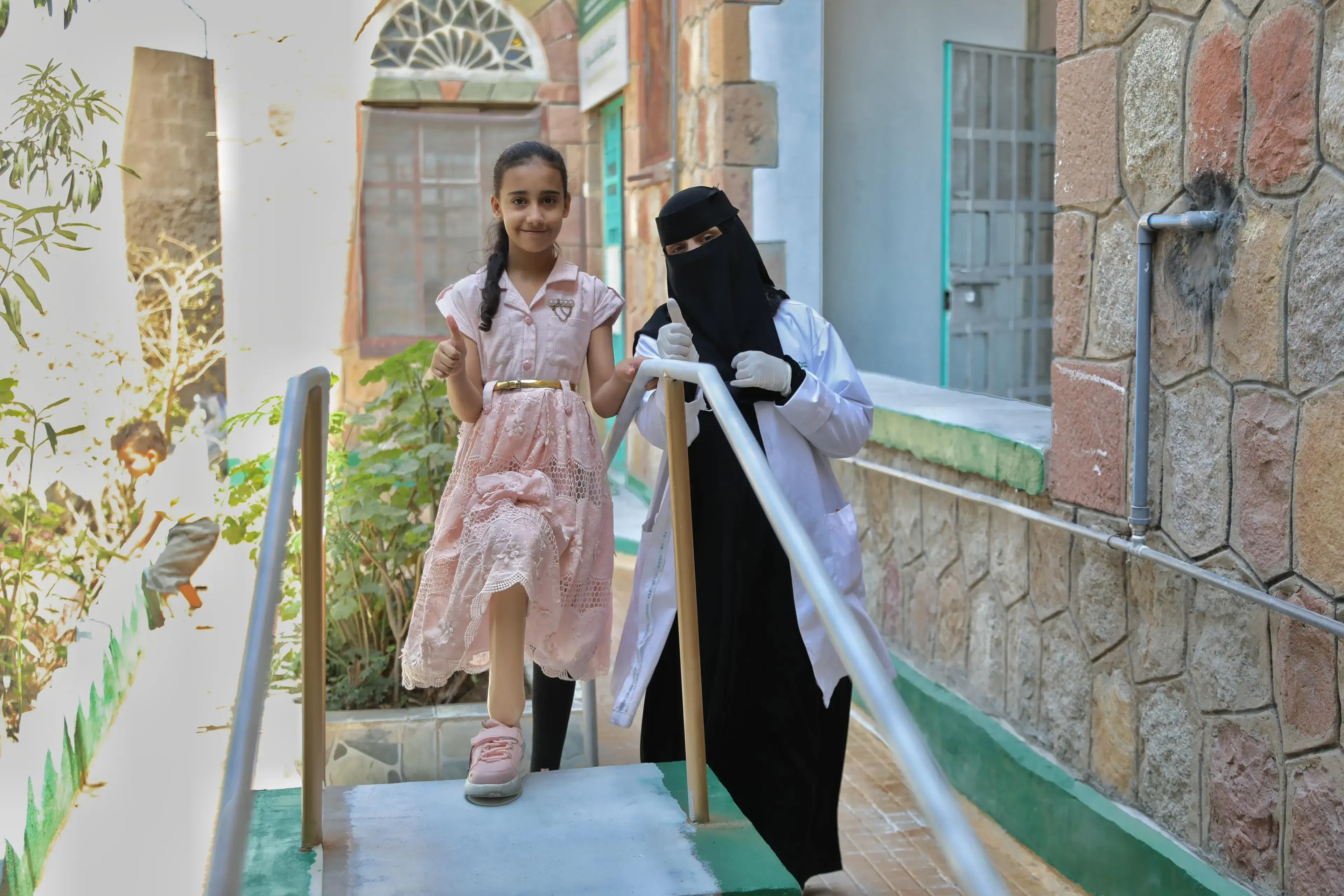
KSrelief-supported prosthetics and rehabilitation services in Yemen continued to provide vital support in February 2026, with the centers in Aden and Seiyun together serving 1,308 beneficiaries living with limb loss and related rehabilitation needs.
According to the reported figures, the Prosthetics and Rehabilitation Center Operation Project in Aden Governorate delivered medical services to 666 beneficiaries during the month, with support from the King Salman Humanitarian Aid and Relief Center (KSrelief). The project provided a total of 2,159 services in February 2026, underlining the continued demand for prosthetic and rehabilitation care in Yemen.
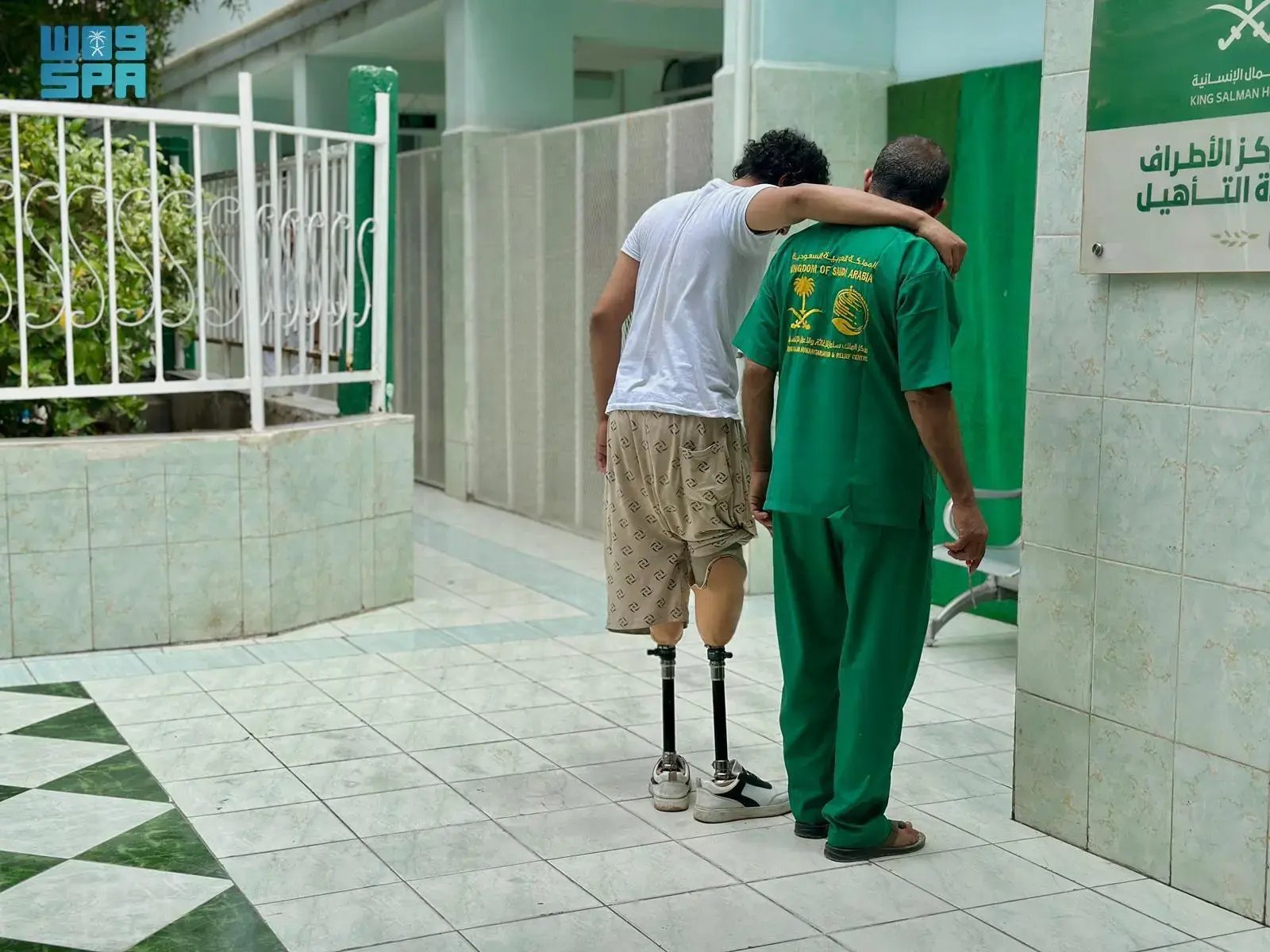
The Aden center’s beneficiary profile also provides insight into the populations being served. Females accounted for 62% of beneficiaries, while males represented 38%. In addition, 55% of beneficiaries were displaced persons and 45% were residents, highlighting the important role the project continues to play in supporting both local communities and people affected by displacement.
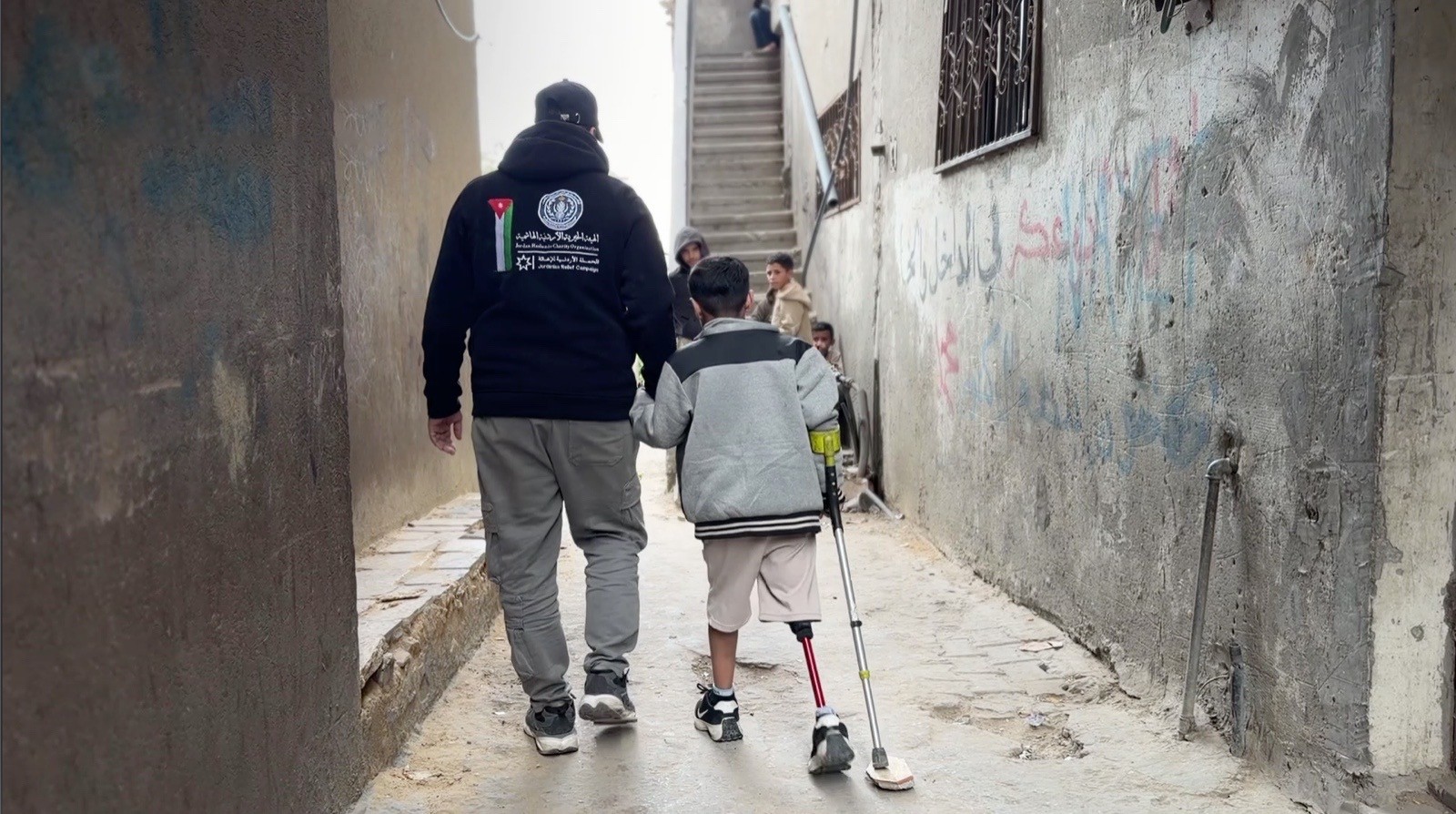
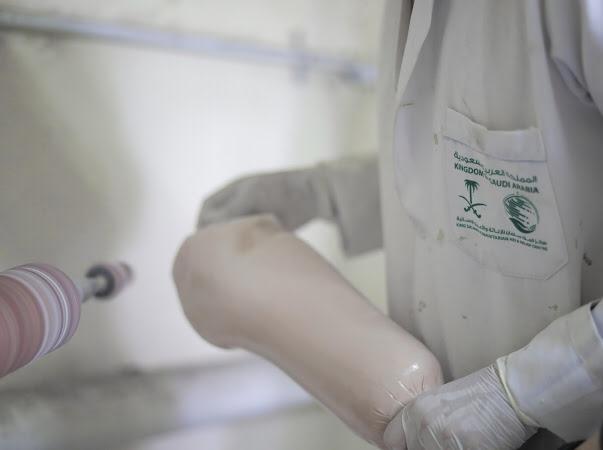
Services delivered through the Aden project included the manufacturing, fitting, and rehabilitation of prosthetic limbs, alongside physiotherapy and specialized consultations. This wider service mix is particularly important in rehabilitation settings, where successful outcomes depend not only on providing a device, but also on ensuring continued therapy, follow-up, and clinical support.
In Seiyun Directorate, Hadhramaut Governorate, the Prosthetics and Rehabilitation Center Operation Project provided medical services to 642 beneficiaries who had lost limbs during the same month, also with KSrelief support. While the service breakdown for Seiyun was not detailed in the content provided, the reported beneficiary total reinforces the scale of ongoing rehabilitation need across multiple Yemeni governorates.
Taken together, the Aden and Seiyun projects supported 1,308 beneficiaries in February 2026, with the Aden center alone delivering more than two thousand individual services. These figures reflect the continued importance of structured humanitarian rehabilitation projects in Yemen, where people living with limb loss often require long-term, multidisciplinary support rather than one-time assistance.
Both projects form part of the Kingdom of Saudi Arabia’s wider humanitarian efforts through KSrelief to strengthen healthcare capacity and help alleviate the suffering of the Yemeni people. In practical terms, this means supporting services that restore mobility, improve independence, and expand access to specialized rehabilitation care in areas where health systems remain under pressure.
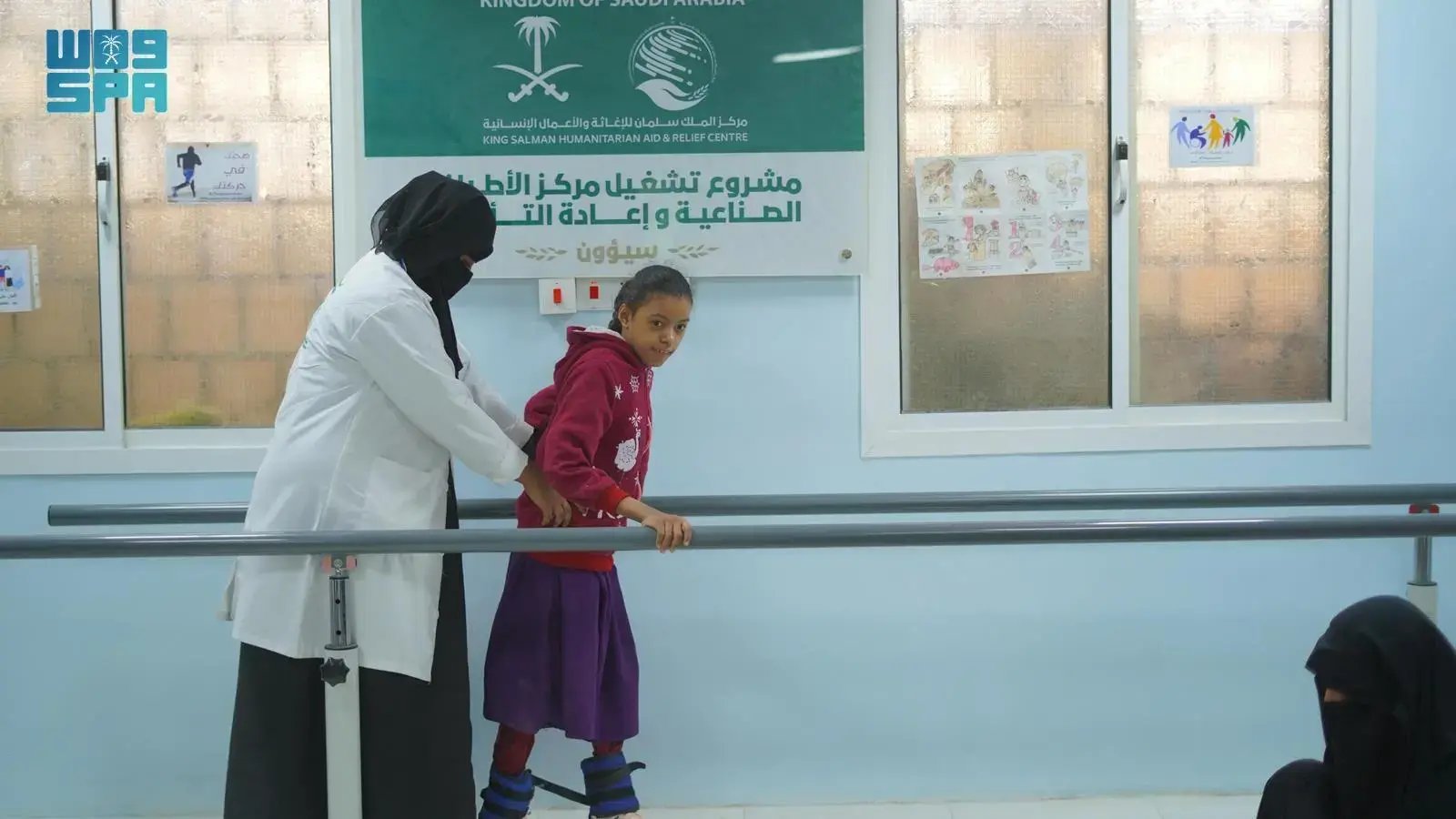
For the wider IMEA rehabilitation sector, the Aden and Seiyun updates again demonstrate that humanitarian prosthetic care is most effective when it brings together device production, fitting, rehabilitation, physiotherapy, and specialist consultation within one coordinated model. In conflict-affected settings, that continuity of care can be just as important as the initial provision of the prosthesis itself.