 By
By
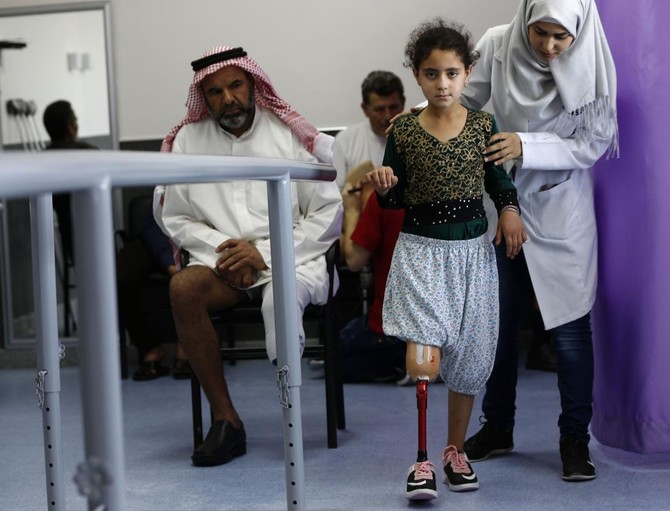
High amputation burden, conflict-related disability, and humanitarian delivery model shape the rehabilitation sector
Syria’s orthotics and prosthetics (O and P) sector operates under extremely challenging conditions due to prolonged conflict, damaged health infrastructure, and limited national funding. Services are largely delivered through humanitarian organisations, international NGOs, and a small number of government facilities, with demand driven by war injuries, diabetes, trauma, and long-term disability. The need for prosthetic limbs, orthoses, and rehabilitation support remains high, while access to services varies widely across regions.
Prevalence and demand drivers (key statistics)
Conflict-related disability and amputations
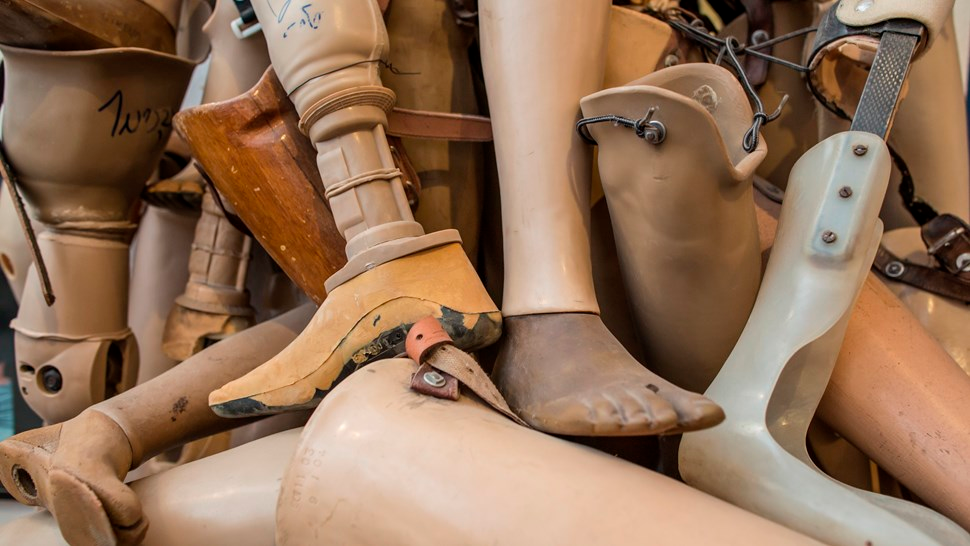
More than a decade of conflict has resulted in a large population living with permanent impairments. Estimates suggest around 1.5 million people in Syria live with long-term disability, including tens of thousands of amputees requiring prosthetic and rehabilitation services.
https://www.ri.org/providing-life-changing-prosthetics-for-syrian-refugees/
https://reliefweb.int/report/syrian-arab-republic/who-and-hi-draw-attention-needs-people-inside-syria-living-injuries-and
Injury and trauma burden
Reports during the conflict indicated that tens of thousands of people were injured each month at peak periods, many with complex trauma requiring long-term rehabilitation and assistive devices.
https://reliefweb.int/report/syrian-arab-republic/who-and-hi-draw-attention-needs-people-inside-syria-living-injuries-and
Persons with disabilities
Studies on disability inside Syria show high rates of mobility impairment, especially among children, with surveys reporting mobility difficulties in more than half of disabled children in some affected areas.
https://portal.qader.org/cached_uploads/download/2018/11/29/children-living-with-disabilities-inside-syria-policy-brief-1543481347.pdf
Rehabilitation and prosthetic demand
International organisations report ongoing need for prosthetic fitting, physiotherapy, and orthotic support across the country, with rehabilitation services considered essential for restoring mobility and independence.
https://www.icrc.org/en/article/physical-rehabilitation-hope-syria
Syria O and P system snapshot
Unlike many countries in the region, Syria does not currently have a fully functioning nationwide prosthetic and orthotic system. Instead, services are provided through a combination of government hospitals, humanitarian organisations, and NGO-run rehabilitation centres.
The International Committee of the Red Cross, Syrian Arab Red Crescent, WHO, and multiple NGOs support physical rehabilitation centres across the country, including facilities in Aleppo, Homs, Hasakeh, Qamishli, and other regions.
https://www.icrc.org/en/article/physical-rehabilitation-hope-syria
https://www.sarc.sy
In northern and eastern Syria, additional prosthetic centres have been established through donor-funded projects to meet the growing number of amputees, including facilities in Raqqa, Deir Ez-Zor, and Hasakeh.
https://www.srtfund.org/projects/522-establishing-three-prosthetics-centers-in-northeast-syria
Because of the fragmented health system, access to O and P services depends heavily on geography, security conditions, and humanitarian funding.
Top orthotic and prosthetic service providers in Syria
1) ICRC Physical Rehabilitation Programme – Multiple centres
The International Committee of the Red Cross supports several rehabilitation and prosthetic centres in partnership with national health authorities, providing prostheses, orthoses, and physiotherapy services.
https://www.icrc.org/en/article/physical-rehabilitation-hope-syria
2) National Syrian Project for Prosthetic Limbs (NSPPL)
A non-government initiative providing prosthetic limbs, orthotic devices, and rehabilitation services, with centres operating in northwest Syria and surrounding areas.
https://nsppl.org/about/
3) Syria Relief Prosthetic Limb Clinics
International NGO programmes delivering prosthetic fitting, rehabilitation, and psychological support for injured civilians and war victims.
https://www.syriarelief.org.uk/projects/prosthetic-limb-clinic/
4) Syrian Arab Red Crescent Rehabilitation Services
The Syrian Arab Red Crescent supports medical and rehabilitation programmes in cooperation with international partners.
https://www.sarc.sy
5) NGO and donor-funded rehabilitation centres (Aleppo, Idlib, Sarmada, Raqqa, Hasakeh)
Several centres funded by international donors provide prosthetic and orthotic services, often linked to hospitals or humanitarian health programmes.
https://alameen.ngo/prosthetics-and-rehabilitation-center-services-in-sarmada-syria/
https://projects.hpc.tools/project/156520/view
Education and training initiatives
Formal education in prosthetics and orthotics inside Syria is limited due to the impact of the conflict on universities and health training institutions. Most technical training is currently provided through:
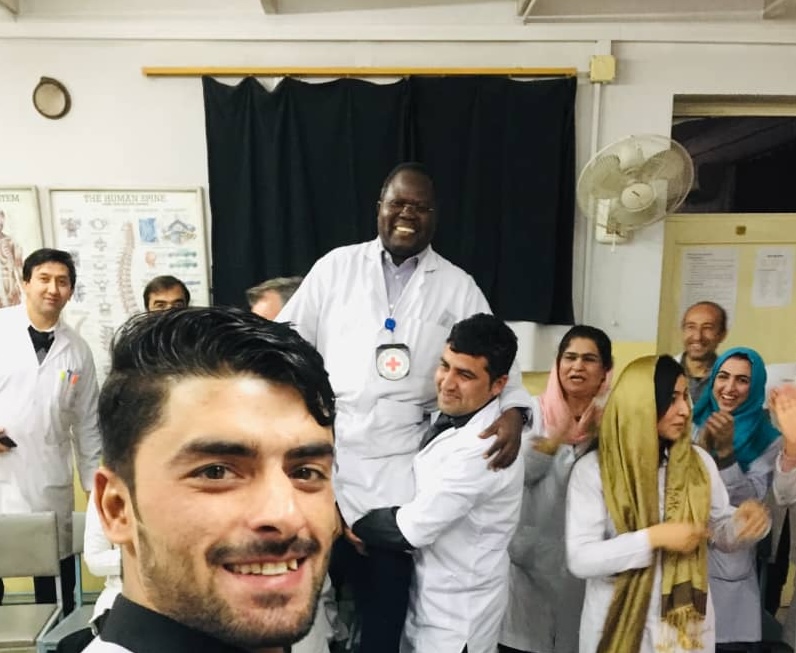
- ICRC rehabilitation training programmes
- NGO-led technician training
- International medical missions
- Regional training in neighbouring countries such as Jordan, Turkey, and Lebanon
Humanitarian organisations also provide on-the-job training for physiotherapists, technicians, and rehabilitation staff to maintain service capacity.
https://www.icrc.org/en/article/physical-rehabilitation-hope-syria
https://www.sams-usa.net
The absence of a stable national education pathway remains a major barrier to long-term development of the O and P profession in Syria.
Reimbursement and funding model
There is currently no fully functional national reimbursement system for orthotic and prosthetic devices in Syria. Funding for services typically comes from:
- International humanitarian organisations
- United Nations agencies
- Donor-funded projects
- Charitable organisations
- Limited government hospital support
Most patients receive prosthetic and orthotic devices free of charge through aid programmes, but availability depends on funding cycles and project coverage. This creates uneven access and limits the ability to develop sustainable clinical services.
As reconstruction efforts progress, rebuilding a national rehabilitation and assistive technology system will be essential, including the introduction of structured reimbursement pathways.
Key challenges
- Large population with conflict-related amputations and disability
- Fragmented health system
- Dependence on humanitarian funding
- Limited education and workforce capacity
- Unequal access between regions
- Shortage of materials and components
Growth opportunities
- Rebuilding national rehabilitation infrastructure
- Establishing ISPO-recognised training programmes
- Developing local production of orthoses and prostheses
- Integrating diabetic foot and trauma rehabilitation services
- Creating reimbursement systems for assistive devices
- Expanding cooperation with international rehabilitation organisations
IMEA CPO outlook
Syria has one of the highest unmet needs for orthotic and prosthetic services in the IMEA region. The combination of war injuries, chronic disease, and limited health infrastructure has created long-term demand for rehabilitation that will continue for many years.
Future development of the sector will depend on rebuilding education, stabilising funding, and transitioning from emergency humanitarian delivery to a sustainable national rehabilitation system capable of supporting thousands of people living with limb loss and disability.