 By
By
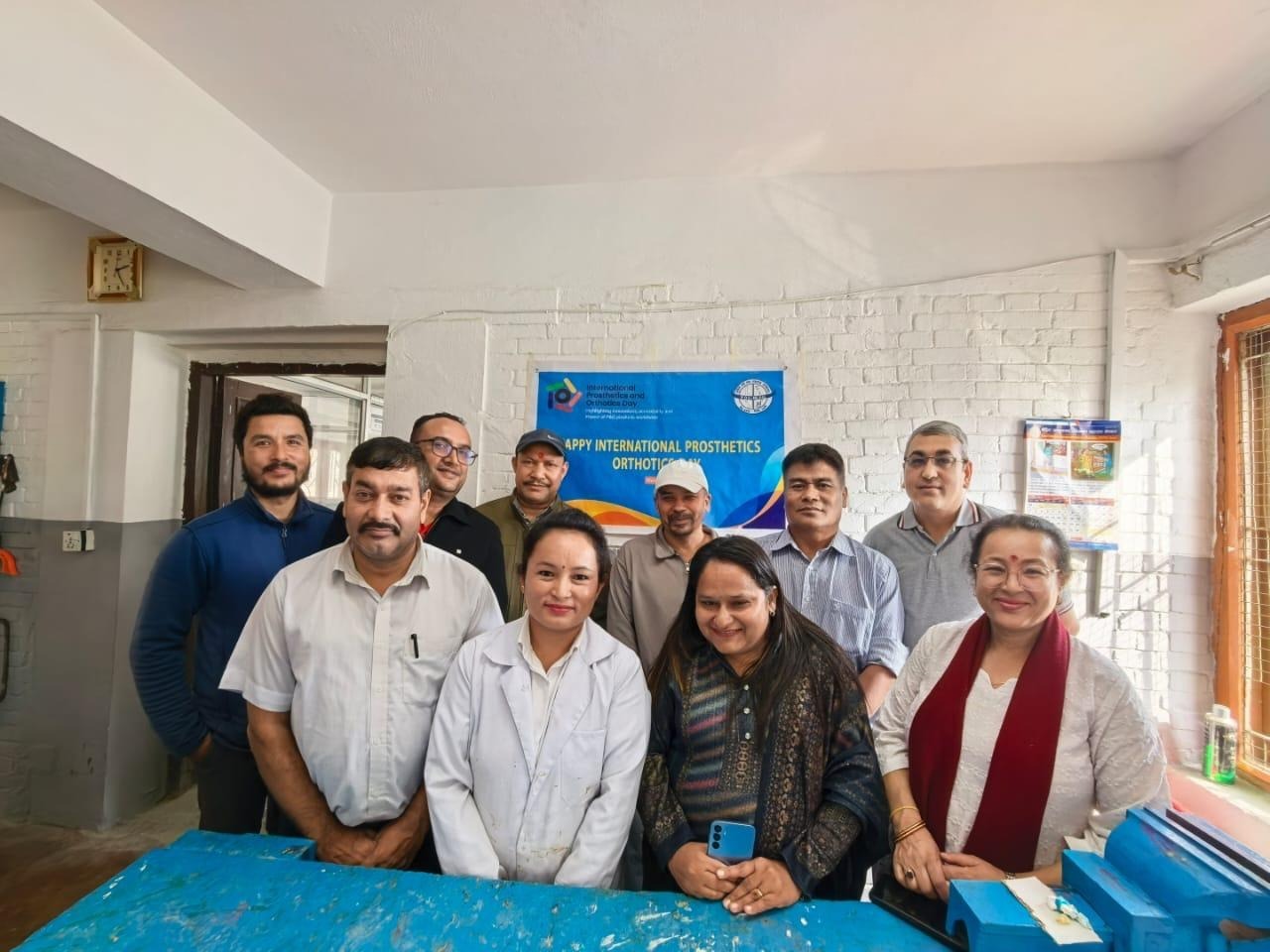
Nepal’s (POP: 30m) orthotics, prosthetics, and rehabilitation sector plays a vital role in restoring mobility across a country where geography, transport, and affordability can strongly determine access to care. Demand is driven by trauma (including road traffic injuries), diabetes-related limb complications, stroke-related disability, congenital conditions, and long-term impairment.
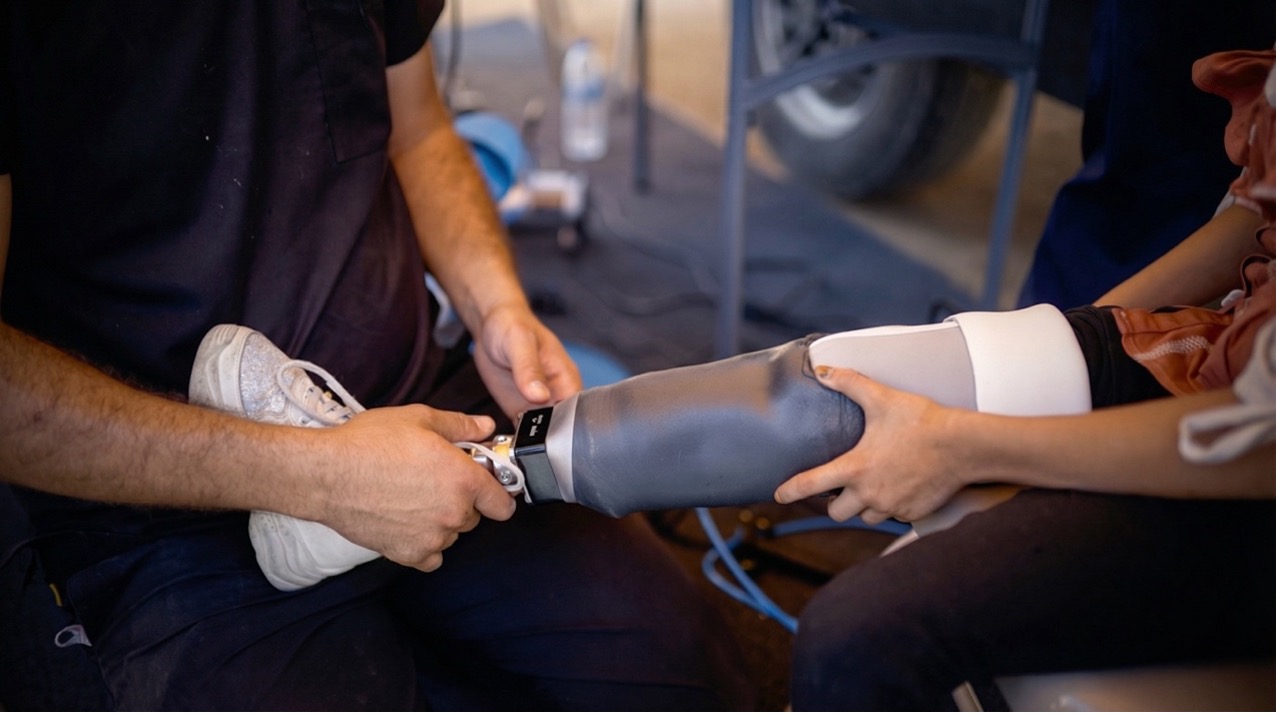
Like many systems highlighted across IMEA CPO, Nepal’s O&P ecosystem is not just about devices—it relies on the strength of the full rehabilitation pathway: assessment, fitting, physiotherapy, assistive technology provision, patient education, and long-term follow-up.
Prevalence & Demand Drivers (Key Statistics)
Diabetes
Nepal’s diabetes burden is rising and directly impacts the need for diabetic foot orthoses, protective footwear, Charcot management, wound offloading, and amputation prevention. The International Diabetes Federation (IDF) estimates:
- 7.7% diabetes prevalence among adults (20–79 years)
- ~1.26 million adults living with diabetes (2024)
Stroke
Stroke is a major driver of disability and ongoing orthotic needs (especially AFOs, KAFOs, upper-limb supports, and mobility aids) and demand for neurorehabilitation. Evidence from community research in Nepal reports:
- Crude stroke prevalence ~2,368 per 100,000 and age-standardised prevalence ~2,967 per 100,000 (≥15 years) in a south-western community study
Persons with Disabilities
National census reporting shows:
- ~2.2% of Nepal’s population identified as persons with disabilities (with male prevalence ~2.5% and female ~2.0%)
Amputations
National-level amputee totals are hard to standardise, but peer-reviewed research commonly cited in Nepal reports:
- ~100,000 people in Nepal living with amputated limbs (across causes including trauma, disasters, and illness such as diabetes)
Nepal O&P System Snapshot
Nepal’s service landscape includes:
- Major rehabilitation hospitals and specialist centres (notably in Kathmandu Valley and Pokhara)
- Strong roles for NGO-supported and mission-linked rehabilitation programmes
- A growing mix of private and community-based service models
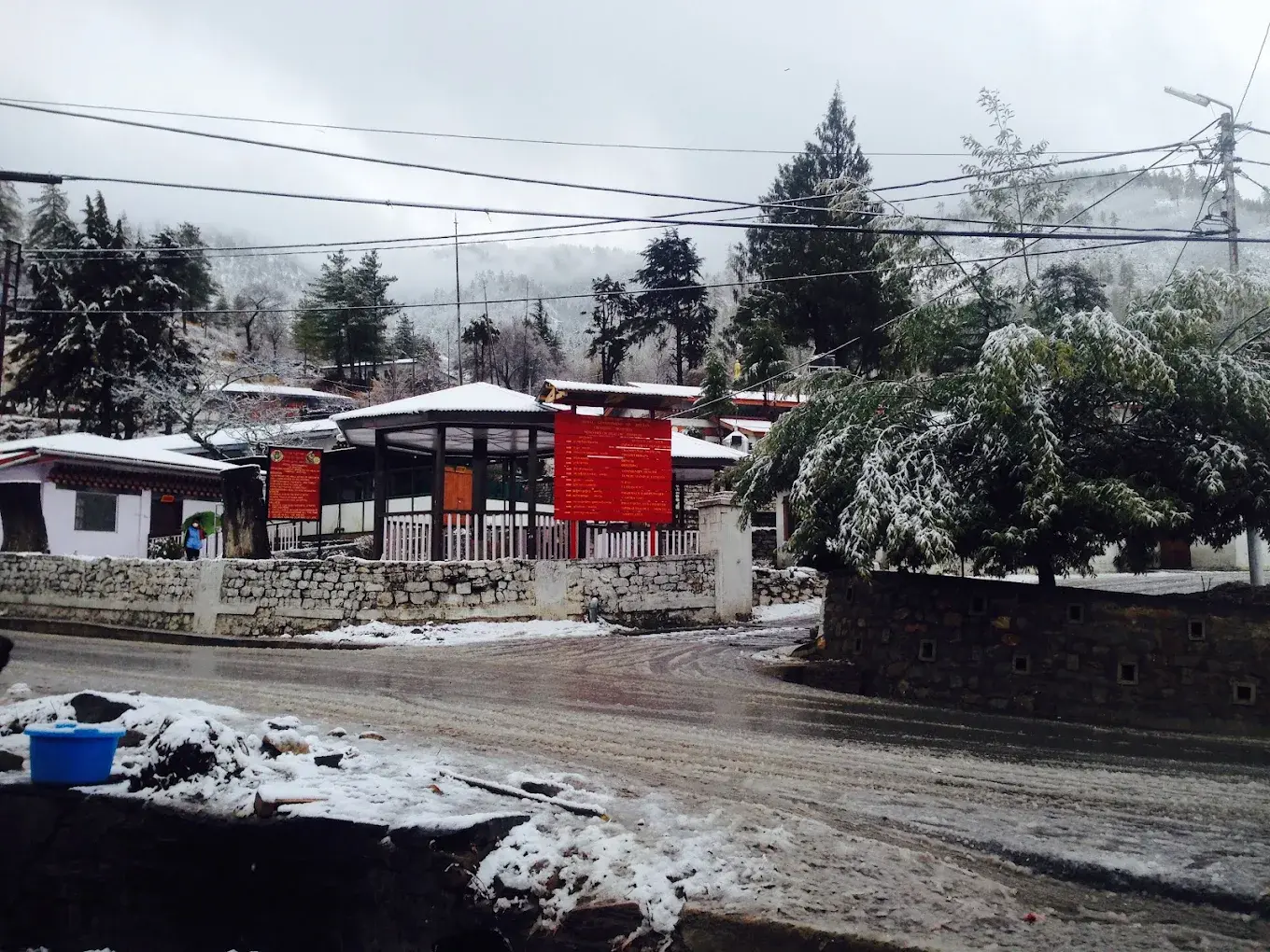
- Real-world constraints: mountainous geography, travel time, and uneven provincial coverage
Top Orthotic & Prosthetic Service Providers in Nepal
A practical list of visible providers contributing significantly to prosthetic and orthotic access:
1) Green Pastures Hospital & Rehabilitation Centre (Pokhara)
A long-established rehabilitation centre with a dedicated Prosthetics & Orthotics team delivering custom devices and integrated rehab support.
2) Yerahity Rehabilitation Centre (Kathmandu)
A key rehabilitation centre (noted in ICRC-supported physical rehabilitation reporting) providing prosthetics, orthoses, and mobility aids alongside physiotherapy support.
3) Hospital & Rehabilitation Centre for Disabled Children (HRDC) (Banepa)
One of Nepal’s most prominent paediatric orthopaedic and rehabilitation organisations, with a long-running Prosthetics & Orthotics department and large device output over decades.
4) Spinal Injury Rehabilitation Centre (SIRC) (Banepa/Sanga)
A specialised spinal rehabilitation centre providing P&O and assistive devices as part of multidisciplinary rehabilitation planning.
5) Nepal Orthopaedic Hospital (Kathmandu)
A major orthopaedic institution (linked to disability services infrastructure in Kathmandu), providing orthopaedic care and related rehabilitation services (including orthotic/prosthetic-related support).
6) LimbCare Nepal (Kathmandu)
A visible upper-limb prosthetic initiative (with international collaboration), helping expand access to upper-limb solutions and follow-up support.
Key Challenges
Nepal’s O&P sector faces system pressures that will be familiar across IMEA:
- Access barriers for rural and mountainous communities (travel time + cost)
- Workforce capacity constraints and limited in-country training pathways for P&O
- Supply variability for components and consumables
- Need for stronger long-term follow-up, outcomes measurement, and referral pathways
Growth Opportunities
Nepal can significantly increase rehabilitation impact through:
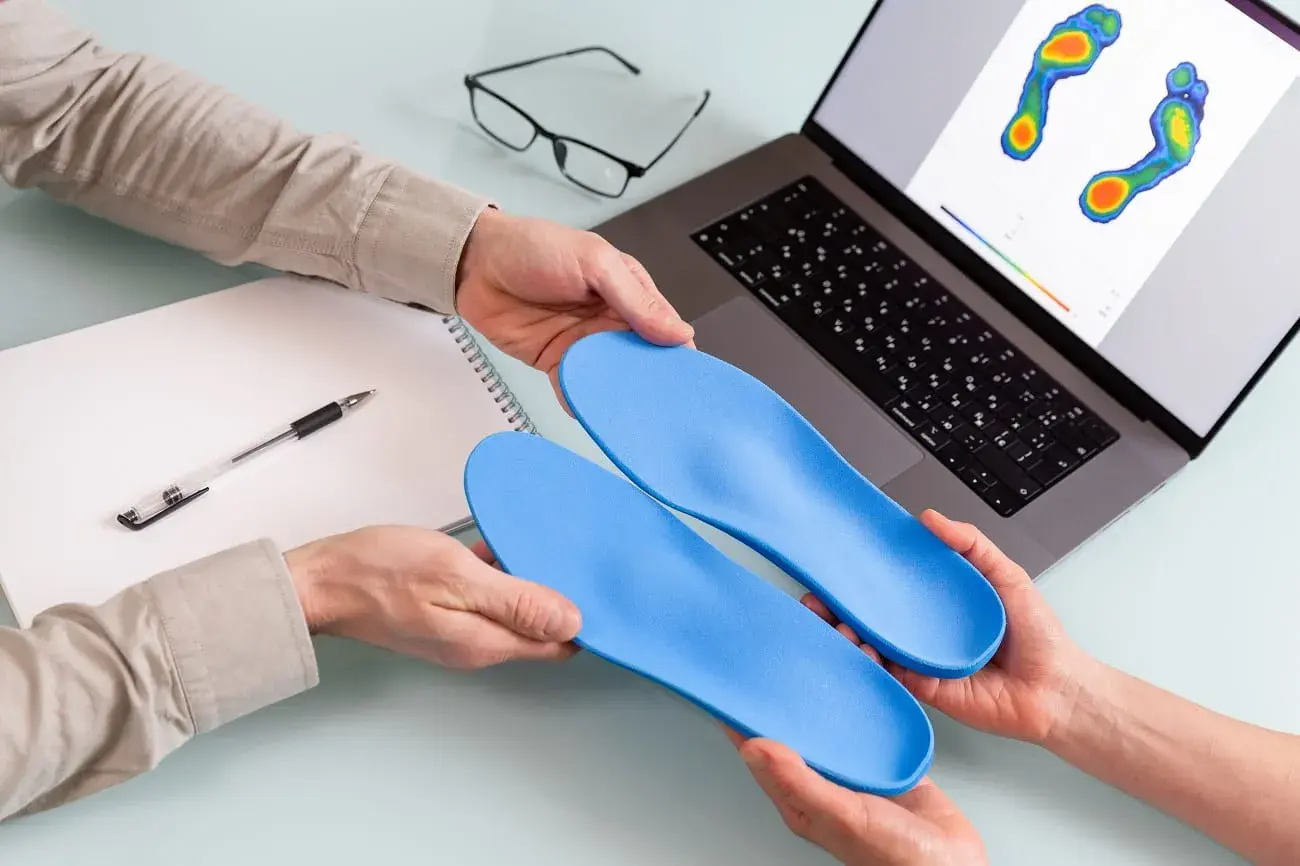
- Diabetic foot prevention pathways (screening + footwear + orthoses + offloading)
- Faster device turnaround using digital workflows (scan → design → manufacture) in hub-and-spoke models
- Regional outreach fitting models linked to major centres
- Stronger national coordination around assistive products and service standards
IMEA CPO Outlook
Nepal is a high-impact rehabilitation market where strengthening orthotics and prosthetics directly improves outcomes for diabetes complications, stroke recovery, trauma rehabilitation, and disability inclusion. With continued investment in workforce development, regional access models, consistent device quality, and sustainable supply chains, Nepal can further mature into a model for scalable rehabilitation delivery in challenging geographies.