 By
By
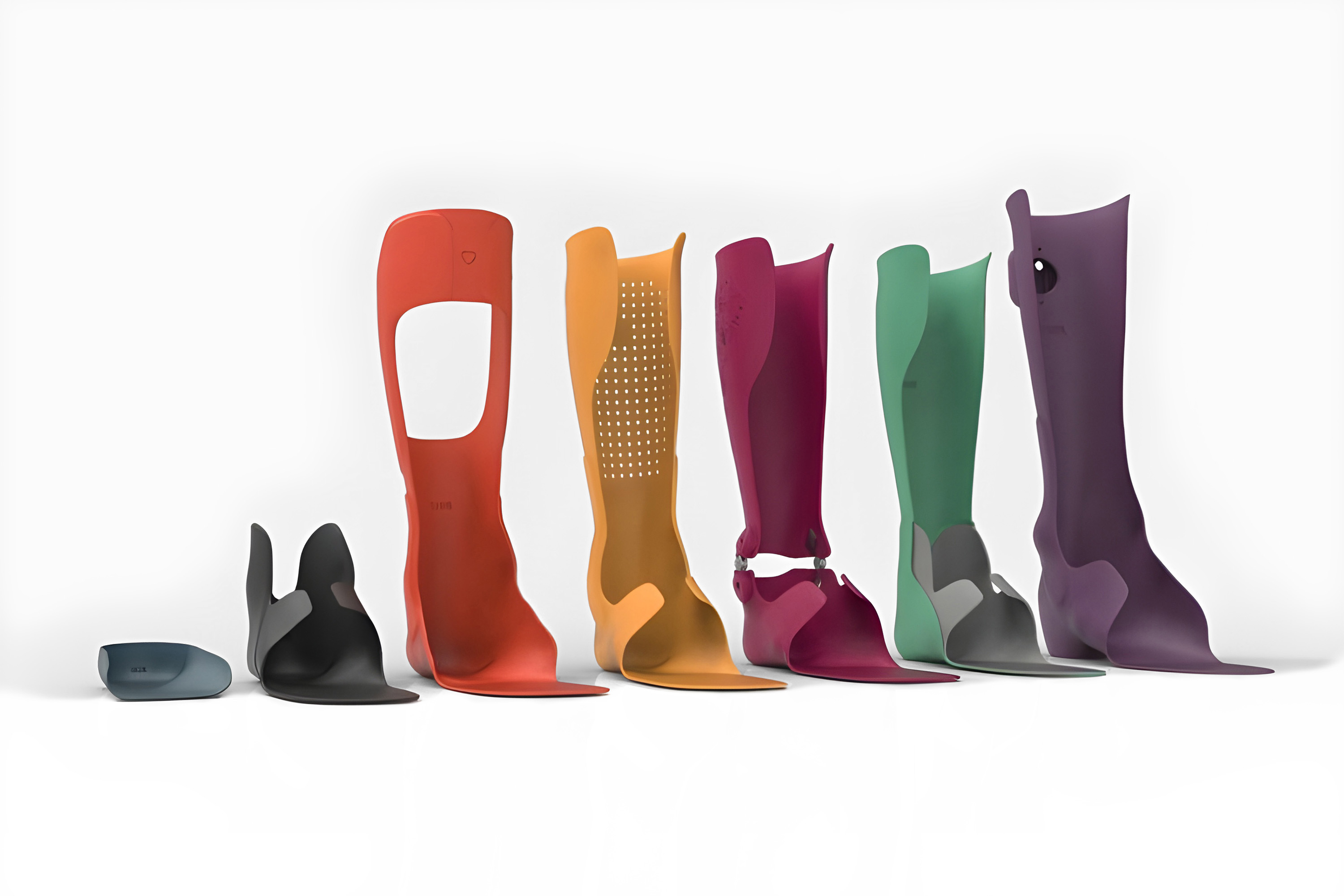
The rapid integration of 3D printing technologies into orthotic practice continues to reshape how ankle-foot orthoses (AFOs) are designed, manufactured, and delivered. Yet an important question remains at the clinical and technical frontline:
How do 3D-printed AFOs truly compare with traditionally fabricated thermoplastic AFOs?
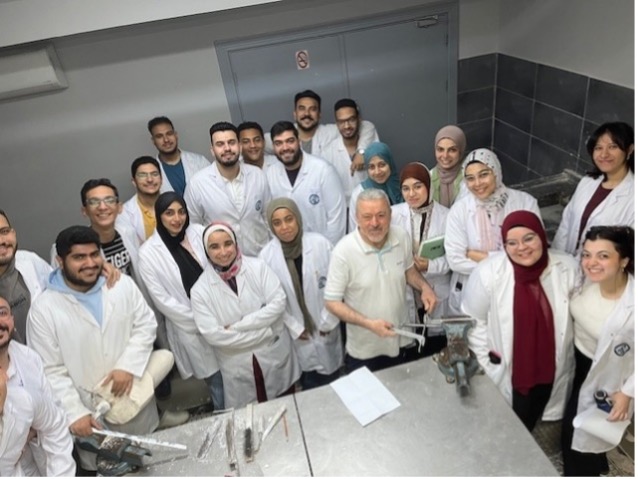
Students from the Prosthetics and Orthotics Department at Erbil Polytechnic University are addressing this question through a structured research project titled:
“Efficiency of 3D-Printed Technology Ankle-Foot Orthoses (AFOs) Compared to Traditional Thermoplastic Methods.”
Conducted as part of their bachelor’s degree graduation requirements, this study aims to capture real-world perspectives from those who matter most — clinicians, technicians, and orthosis users.
Purpose of the Study
This questionnaire seeks to better understand how 3D-printed AFOs compare with thermoplastic-fabricated AFOs across key domains:
✔ Efficiency
✔ Durability
✔ Clinical & technical workflow
✔ Patient comfort
✔ Overall satisfaction
By analysing both professional and user experiences, the research aims to contribute meaningful insight into emerging fabrication technologies and their practical implications.
Who Should Participate
The survey welcomes input from:
👩⚕️ Orthotists & clinicians
🛠 Technicians / fabricators
🧑🦽 Orthosis users / patients
Whether your experience is clinical, technical, or personal, your perspective helps build a more complete understanding of modern AFO performance and service delivery.
Why Your Participation Matters
As digital workflows expand, decisions around fabrication methods influence:
• Device longevity
• Fit and function
• Workshop productivity
• Cost efficiency
• Patient compliance
• Clinical outcomes
Your feedback supports research that may:
✅ Inform future clinical practice
✅ Guide technology adoption
✅ Improve fabrication workflows
✅ Enhance patient experience
Ethics, Privacy & Voluntary Participation
Participants are assured that:
🔒 Responses are anonymous
🤝 Participation is entirely voluntary
📋 No identifying personal data is required
By continuing with the questionnaire, participants provide informed consent to contribute to this academic research study.
Supporting Evidence-Informed Innovation
As 3D printing moves from novelty to clinical tool, studies like this play a vital role in distinguishing:
✔ Perceived advantages vs measured outcomes
✔ Workflow gains vs real efficiency
✔ Comfort claims vs user experience
✔ Durability expectations vs clinical reality
Balanced research ensures that innovation remains clinically justified, economically viable, and patient-centred.
Contribute to the Future of Orthotic Care
By sharing your experience with either 3D-printed or thermoplastic AFOs, you are helping shape a clearer understanding of how fabrication technologies impact both clinical practice and patient outcomes.
Your voice supports the next generation of prosthetics and orthotics professionals — and the patients they will serve.