 By
By
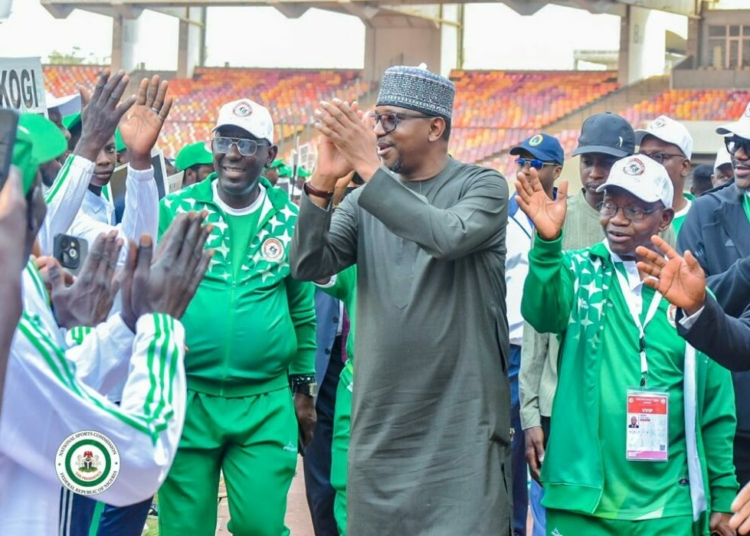
Nigeria has opened the 3rd National Para Games in Abuja, with President Bola Ahmed Tinubu using the occasion to renew his administration’s commitment to the welfare and long-term development of Nigerian para-athletes. The opening ceremony took place at the Moshood Abiola National Stadium, reinforcing the event’s status as a major fixture on the country’s para-sport calendar.
Represented at the ceremony by National Sports Commission Chairman Shehu Dikko, Tinubu praised para-athletes for their resilience, determination, and continued success on the international stage. The message from Abuja was clear: para-athletes are not a side story in Nigerian sport, but one of its strongest performing groups and one of its most visible symbols of excellence under pressure.
The Games, which run from March 26 to April 3, 2026, are being positioned as more than a national championship. Nigerian officials have framed the event as an important platform for talent identification, athlete development, and competitive preparation, helping build the next generation of athletes for continental and global competition.
Organisers have described the 2026 edition as Nigeria’s flagship para-sport event, bringing together more than 3,000 athletes from across the federation, including the 36 states and the Federal Capital Territory, with competition scheduled across 15 sports. That scale matters. It reflects both the depth of para-sport participation in Nigeria and the growing recognition that sustained domestic competition is essential if elite performance is to be maintained internationally.
For the wider rehabilitation, assistive technology, and prosthetics and orthotics sector, the significance of events like this goes well beyond medals. National para-sport competitions help drive visibility for disability inclusion, create stronger demand for athlete support systems, and strengthen the case for investment in rehabilitation pathways, mobility technology, and performance-focused clinical services. Nigeria’s continued emphasis on para-sport development is therefore relevant not only to sport administrators, but also to clinicians, service providers, and suppliers working across Africa’s disability and rehabilitation landscape. This is an inference based on the event’s stated development goals and scale.
For IMEA CPO readers, the story is a reminder that para-sport remains one of the most important bridges between rehabilitation, mobility, inclusion, and national visibility. When governments support these programmes consistently, the impact reaches far beyond competition itself and into broader conversations around access, independence, and long-term participation for people with disabilities. This is also an inference drawn from the role national para-sport systems play in athlete development and inclusion.