 By
By
Radboudumc collaboration aims to create adaptive prosthetic technology based on neuromechanical control
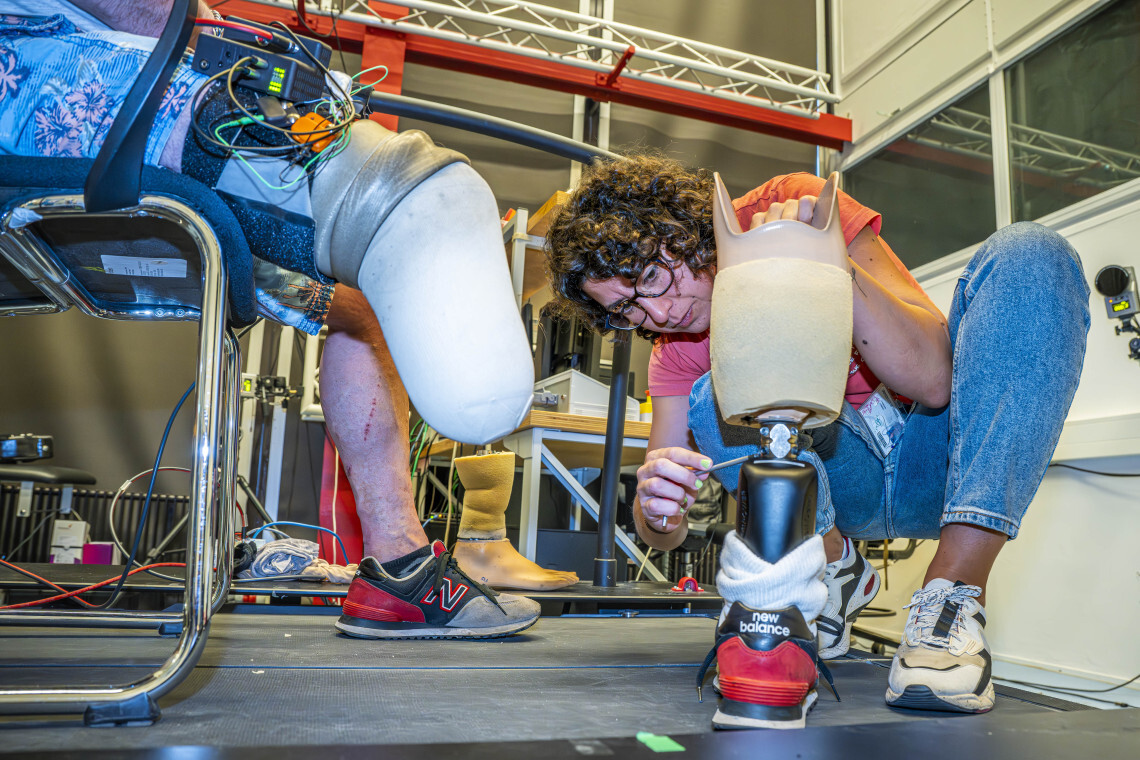
Researchers at Radboud University Medical Center (Radboudumc) in the Netherlands, working together with the University of Twente, are developing a new generation of prosthetic technology designed to restore a more natural walking pattern for people with lower-limb amputations. The project focuses on the development of a bionic foot system that can adapt dynamically to movement, rather than relying on the fixed mechanical behaviour seen in most conventional prosthetic feet.
The research forms part of the HealthTech Nexus collaboration, a strategic partnership that brings together clinicians, engineers, and technology developers to accelerate the translation of research into clinical practice. The initiative focuses on developing advanced medical technologies that can improve rehabilitation outcomes and support long-term mobility for patients.
HealthTech Nexus collaboration
https://www.radboudumc.nl/en/about-radboudumc/strategy/strategische-samenwerkingen/healthtech-nexus
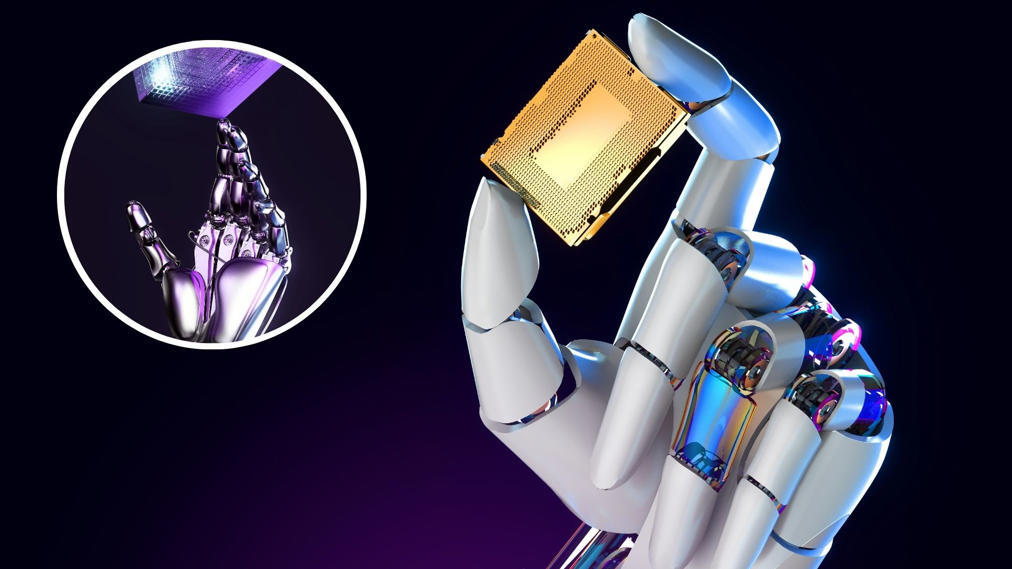
At the centre of the project is the concept of an Autonomous Leg, a prosthetic system designed to mimic the natural control mechanisms of the human body. Instead of relying on preset mechanical behaviour, the device uses neuromechanical modelling inspired by the spinal cord’s central pattern generators — neural networks that automatically coordinate rhythmic movements such as walking. The aim is to allow amputees to move more naturally without needing to consciously control every step.
Research overview
https://www.radboudumc.nl/en/news-items/2026/researchers-develop-bionic-foot-that-restores-a-natural-walking-pattern
One of the major limitations of traditional prosthetic feet is their difficulty adapting to different walking speeds, uneven terrain, or complex daily activities. Passive feet often perform well under controlled conditions but require significant effort from the user in real-world environments. The bionic foot under development is designed to continuously adjust its behaviour based on motion, load, and user interaction, helping to create a smoother and more intuitive gait pattern.
Research into neuromechanical prosthetic control suggests that combining biomechanics, robotics, and sensory feedback can allow prosthetic users to regain a level of control closer to that of a biological limb. These approaches are increasingly being explored in advanced rehabilitation research worldwide.
Example of neuromechanical gait research
https://pmc.ncbi.nlm.nih.gov/articles/PMC12851846/
For the orthotics and prosthetics profession, projects such as the Radboudumc bionic foot highlight the direction of future lower-limb prosthetic design. The field is moving away from purely mechanical solutions toward intelligent systems that integrate sensors, modelling, and adaptive control. These developments are particularly relevant for rehabilitation centres and prosthetic clinics seeking to improve patient comfort, reduce energy expenditure, and enable more natural mobility.
While still in development, the Autonomous Leg project demonstrates how collaboration between clinical rehabilitation teams and advanced engineering groups can drive the next generation of prosthetic innovation. As these technologies progress, they may play an important role in shaping future prosthetic care not only in Europe, but also across the IMEA region where demand for advanced mobility solutions continues to grow.