 By
By
Since Russia’s full-scale invasion of Ukraine in February 2022, many multinational companies have faced public pressure to reassess or withdraw their operations in the country in solidarity with Ukraine and in compliance with international sanctions. Hundreds of organizations publicly reduced or suspended business in Russia, while others continued operations under legal exemptions for humanitarian products.
Business Activities in Russia Since 2022
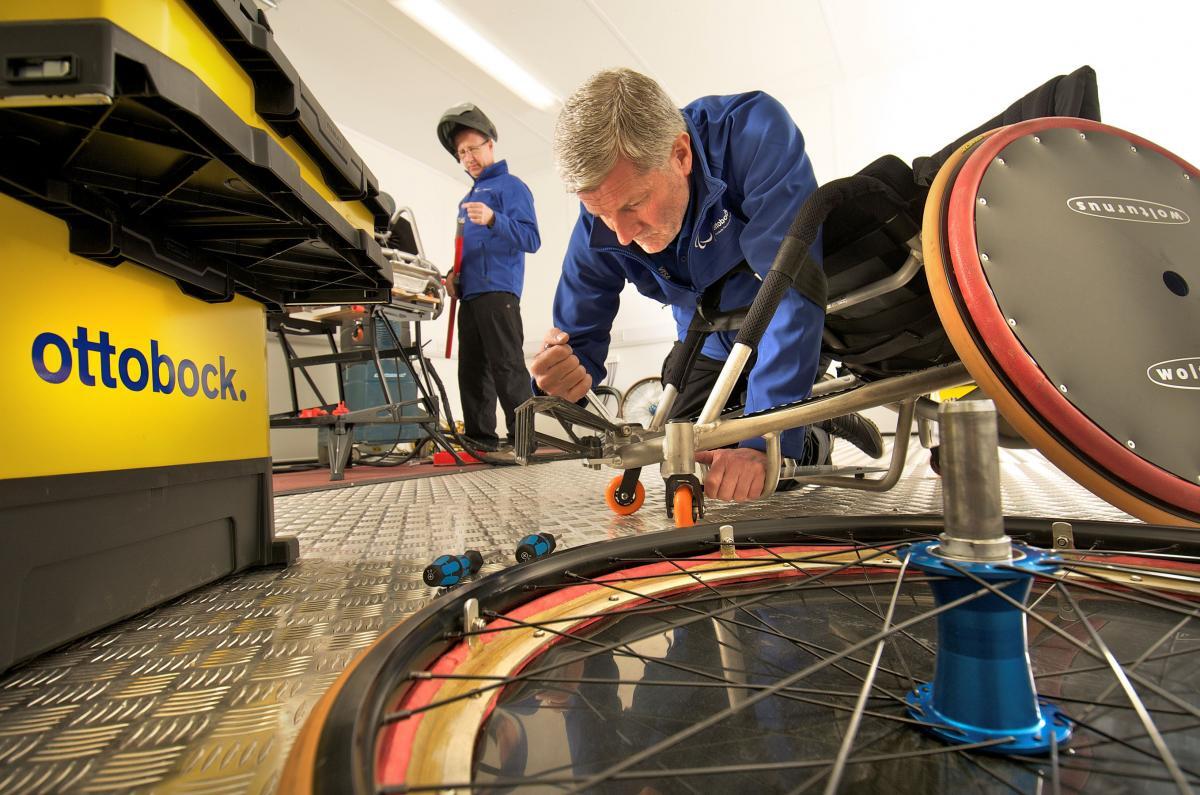
Ottobock, a German family-owned orthopaedic and prosthetics company founded in 1919 and headquartered in Duderstadt, operates in more than 45 countries worldwide. Although many Western corporations curtailed activities in Russia after the invasion, Ottobock has continued to maintain and even expand its commercial footprint there. According to published financial details, the company’s revenue from its Russian business grew from under €75 million in 2022 to approximately €109 million in 2024. In the first half of 2025 alone, Russian sales were reported at about €71 million. This contrasts with several other German companies that scaled down their presence in the country.
Ottobock asserts its operations focus on civilian medical products only — prostheses, orthoses, wheelchairs, components and consumables — and says it does not supply military, paramilitary, police or intelligence entities. The company also claims it only participates in tenders and contracts for civilian patient care in Russia. However, critics point out that verification of end-use is difficult in practice, and products distributed through third-party clinics or workshops may still reach individuals who are war-injured or former military personnel.
Questions of Sanctions and Compliance
There have been reported concerns regarding compliance with European Union sanctions. A suspicious activity report reportedly filed to Germany’s Federal Office for Economic Affairs and Export Control (BAFA) alleged that between January 2023 and October 2024, Ottobock subsidiaries exported hundreds of goods to Russian entities subject to sanctions. The report suggested possible violations of EU export restrictions and raised questions about whether some deliveries were intended for military end-users. Ottobock has denied awareness of such official suspicions but has not provided detailed public clarification.
Leadership and Historical Interactions With Russian Authorities
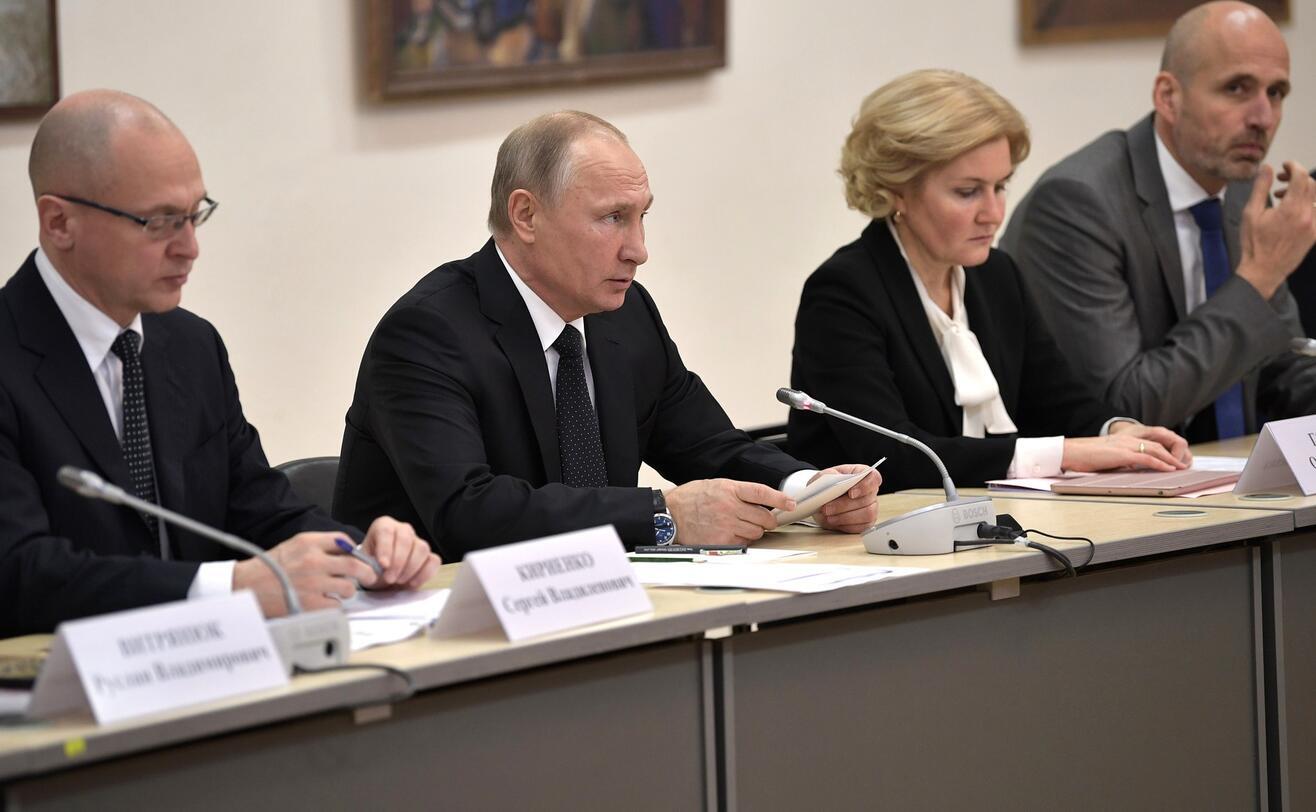
Independent reporting highlights that Ottobock’s leadership has had interactions with Russian officials prior to the Ukraine conflict. Photographs from 2017 posted on the Kremlin’s official website show then-head of Ottobock’s Russian business, Oliver Jakobi, seated beside Vladimir Putin at a public event focused on disability support. Ottobock has described the event as an industry meeting where improvements in care for civilian patients were discussed, and has denied that this signifies any “close relationship.” Critics argue the optics remain notable given the subsequent geopolitical context and the ongoing conflict.
Ottobock’s Support for Ukraine
In parallel with its commercial operations, Ottobock does engage in humanitarian support in Ukraine. The company has established a subsidiary in Ukraine, expanded logistical infrastructure, and collaborated with international aid organisations to set up mobile service centres and training for prosthetic technicians. Training programmes for local specialists and the supply of rapid-deployment functional aids are part of its response to increased demand due to war-related injuries.
Reputational and Ethical Debate
Ottobock’s continuation of business in Russia, especially amid robust growth there, stands out against a backdrop where many Western firms have curtailed operations as a form of ethical corporate signalling. Analysts and observers note that decisions by global companies to maintain or withdraw from Russia are often scrutinised not just for legal compliance but for moral implications and public perception — with some commentators arguing that prolonged engagement in the Russian market may undermine solidarity with Ukraine and broader ethical expectations.
Summary
- Ottobock continues active business in Russia, with revenue there rising even after the Ukraine invasion.
- The company maintains its stance that it supplies civilian healthcare products and adheres to legal sanctions, though critics question the practical enforceability of this distinction.
- Historical leadership interactions with Russian political figures have drawn scrutiny in light of the conflict.
- Ottobock also supports humanitarian efforts in Ukraine, including training and infrastructure to serve war-affected patients.
- Ethical debates continue over the implications of sustained business in sanctioned markets.