 By
By
For orthotists and prosthetists, Gaza’s story is not abstract. It is a case study in what happens when:
-
demand explodes overnight
-
supply chains collapse
-
workforce disappears
-
and long-term rehabilitation is replaced by crisis triage
And yet, even under those conditions, clinicians continue to improvise, adapt, and advocate.
A Health System Built Around Trauma — But Not Yet Around Recovery
The report describes a landscape shattered by war and repeated displacement. Rehabilitation facilities are damaged or destroyed. Only fragments of the pre-war continuum remain.
Hospitals stabilize injuries — often under impossible conditions — but continuity collapses almost immediately afterward:
-
amputations performed under extreme pressure
-
limited wound care and physiotherapy
-
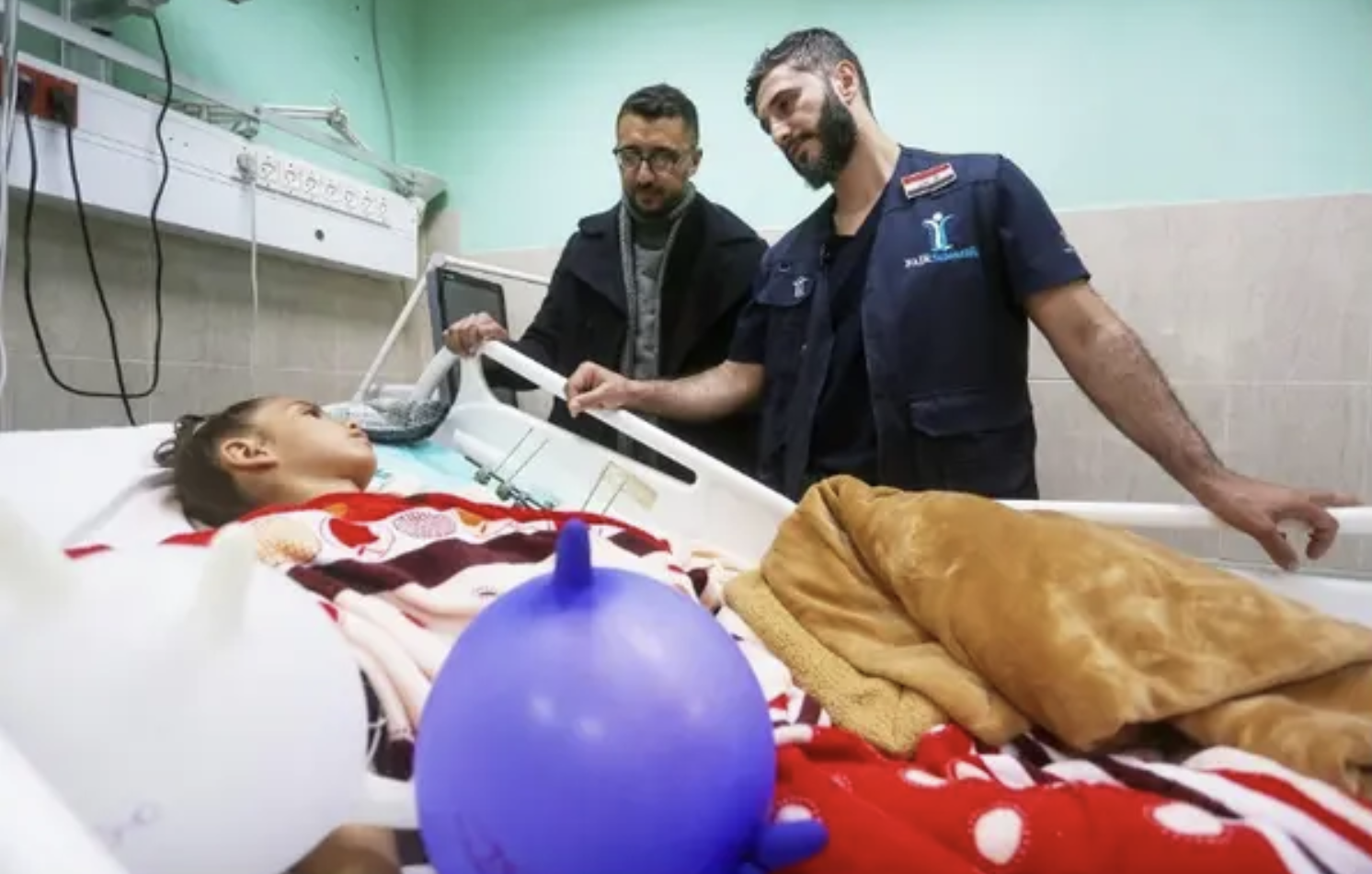
children discharged without mobility aids
-
delayed prosthetic fitting
-
almost no structured follow-up or refitting cycles
Providers repeatedly stress that rehabilitation has become ad-hoc rather than systemic. Trauma care takes priority, while long-term prosthetic and rehabilitation needs fall into the gaps.
Children: The Most Visible, and the Most Invisible
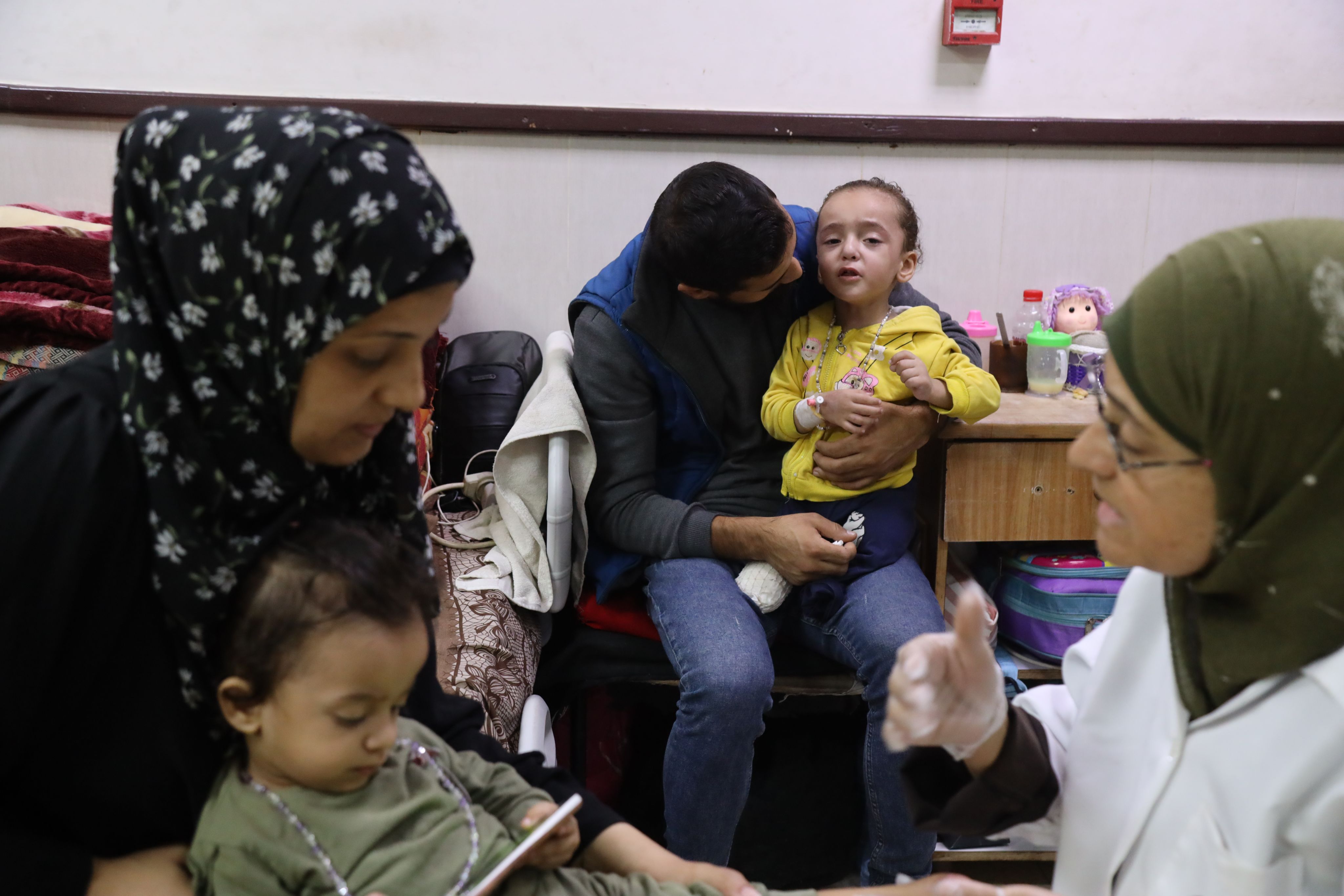
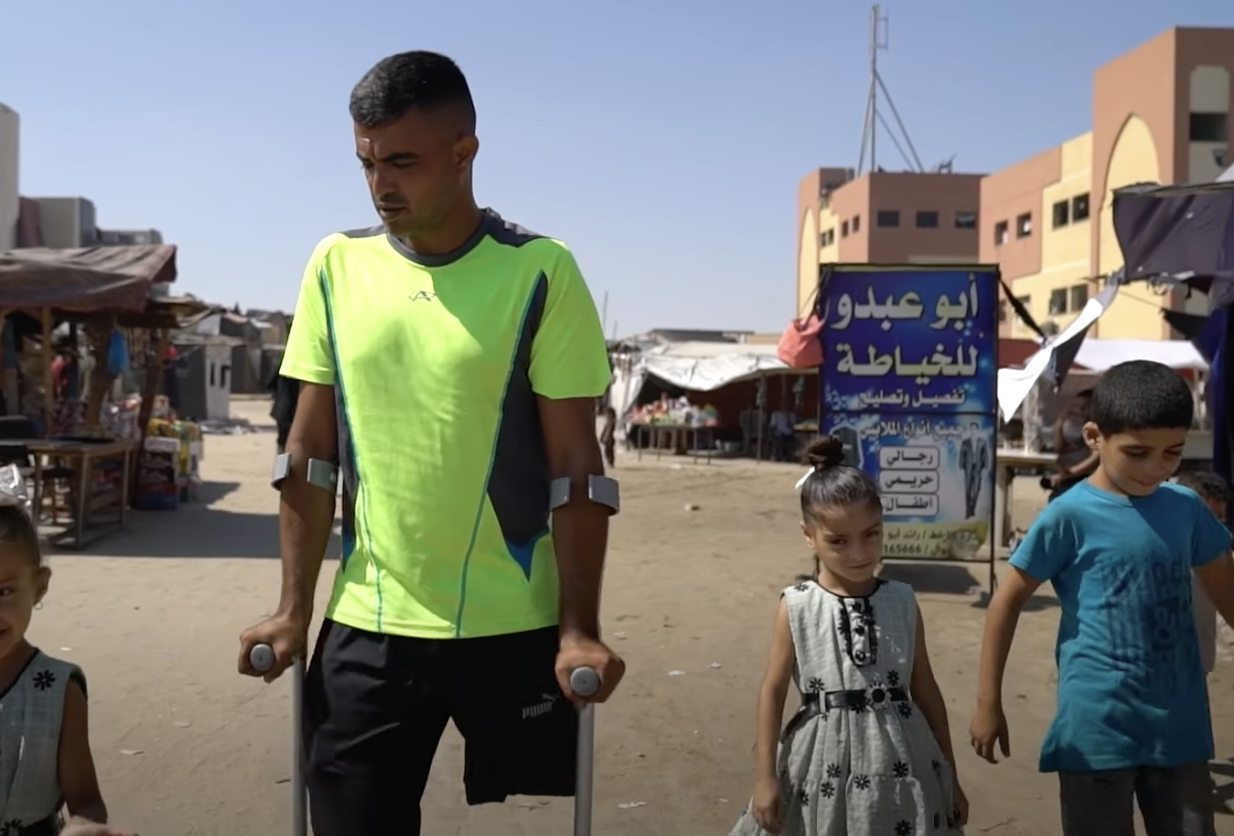
One of the most painful realities documented in the report is the sudden rise in pediatric amputations — the highest per capita in the world.
For children, limb loss is not a single event. It is a lifelong clinical journey requiring:
-
repeated socket refits
-
psychosocial support
-
gait training
-
educational adaptation
-
family counseling
The report makes it clear: pediatric rehabilitation is almost entirely missing.
Without continuous care, devices become painful, unsafe, or simply unusable — and children withdraw from school, community, and activity.
Eight Prosthetists — Thousands of Patients
One detail will stay with many professionals reading this report:
Fewer than ten prosthetists remain active inside Gaza.
Across thousands of amputees, that number is not simply insufficient — it is untenable.
Training pipelines have collapsed. Specialists cannot return. Surge teams face access barriers. Burnout and trauma compound everything.
The report urges the global community to see workforce investment not as “support,” but as core infrastructure, equal in importance to hospitals, materials, or machinery.
Improvisation — and its Limits
Innovation has emerged under pressure:
-
temporary sockets
-
mobile repair units
-
hybrid fabrication models
-
selective 3D printing trials
-
tele-rehabilitation and virtual follow-up
-
collaborative “one-stop” hubs for wound care + therapy + mental health
But the authors draw a firm ethical line:
Gaza must not become a testing ground for unproven devices.
Innovation has value — only when coupled with audit, research, and follow-up. Otherwise, humanitarian enthusiasm risks harm.
The Call to Our Profession
Beyond data and systems, this report is a moral invitation.
It reminds orthotists, prosthetists, physiotherapists, surgeons, researchers, funders, and educators that true rehabilitation is not the device — it is the system around the device.
What Gaza needs — and what the report proposes — is:
-
predictable funding, not project fragments
-
regional training hubs and mentorship
-
pediatric specialization
-
registries that track the patient journey
-
mobile outreach services
-
local and regional production capacity
-
research linked to every intervention
And it needs all of this designed with Palestinian leadership — not for them.
Why This Matters for IMEACPO Readers
Professionals across IMEA know this story too well.
Conflict. Under-resourced clinics. Interrupted supply chains. Long waiting lists. Parents begging for help. Teams doing miracles with almost nothing.
Gaza magnifies what already exists elsewhere.
The report challenges us to:
-
advocate for systems, not single donations
-
insist on pediatric pathways
-
support local capacity — not external dependency
-
align innovation with evidence and ethics
-
push donors toward continuity, not headlines
Because when rehabilitation works, it does more than restore walking.
It restores participation. Future. Identity. Belonging.
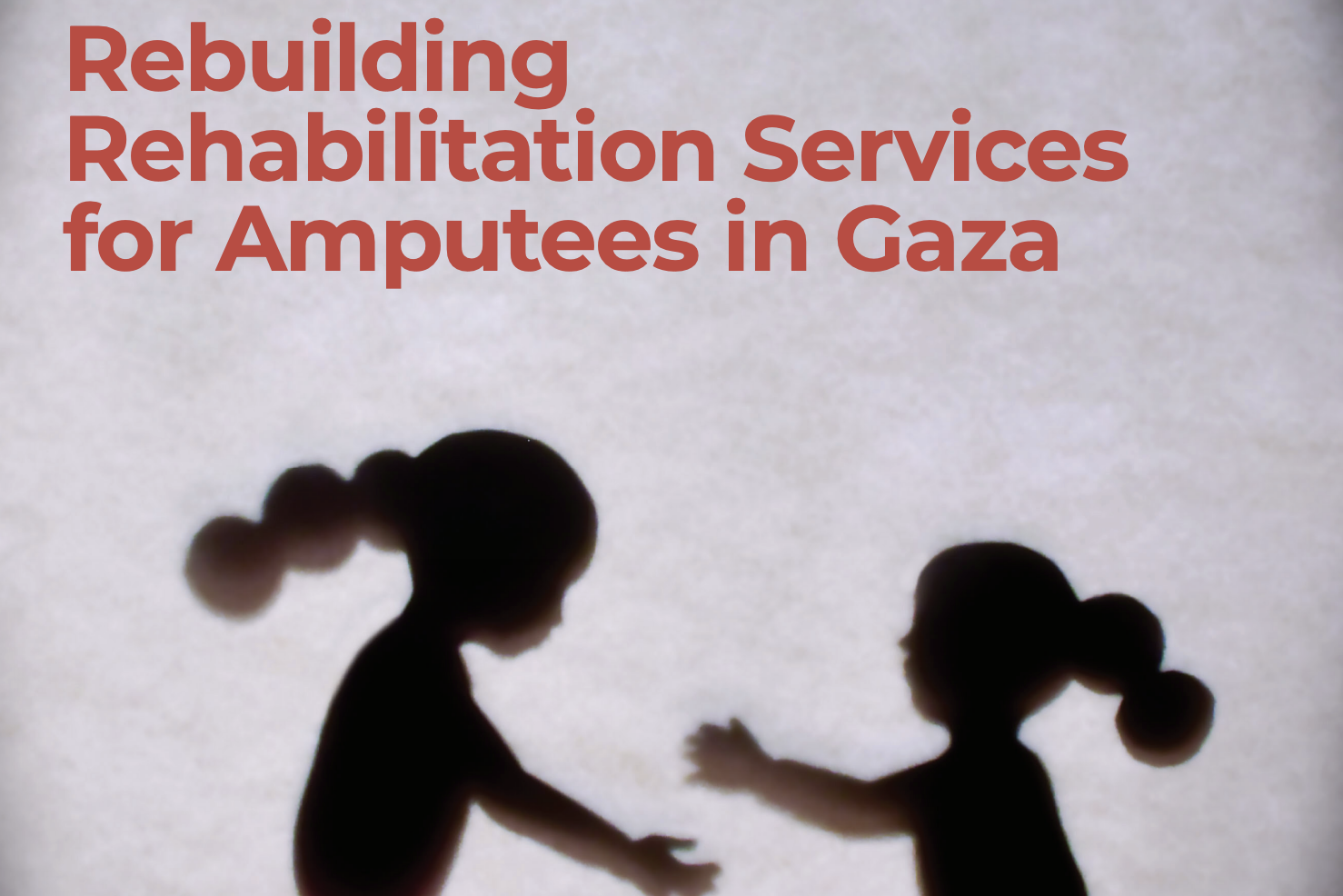
Or, as the report’s imagery quietly reminds us:
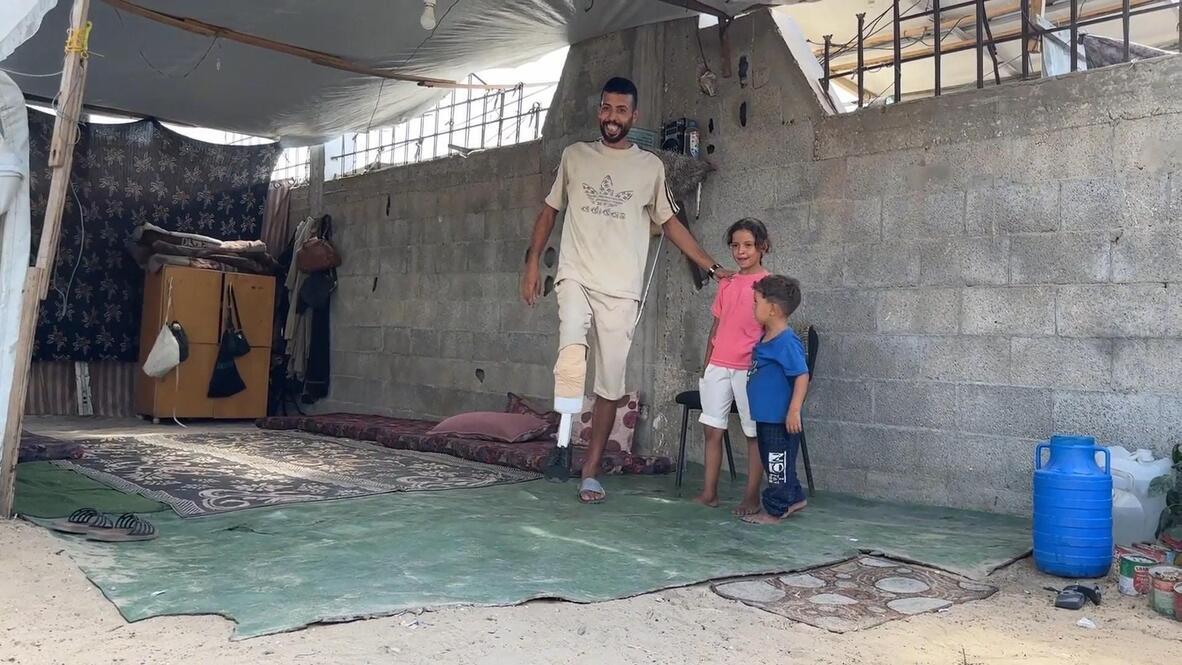
Every step rebuilt is a life rebuilt.


.jpeg)

-1.png "Gaza Fund (1)-1")