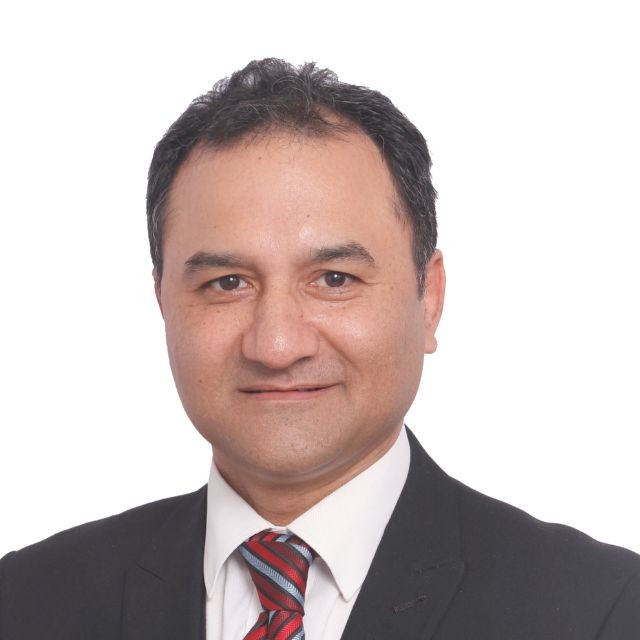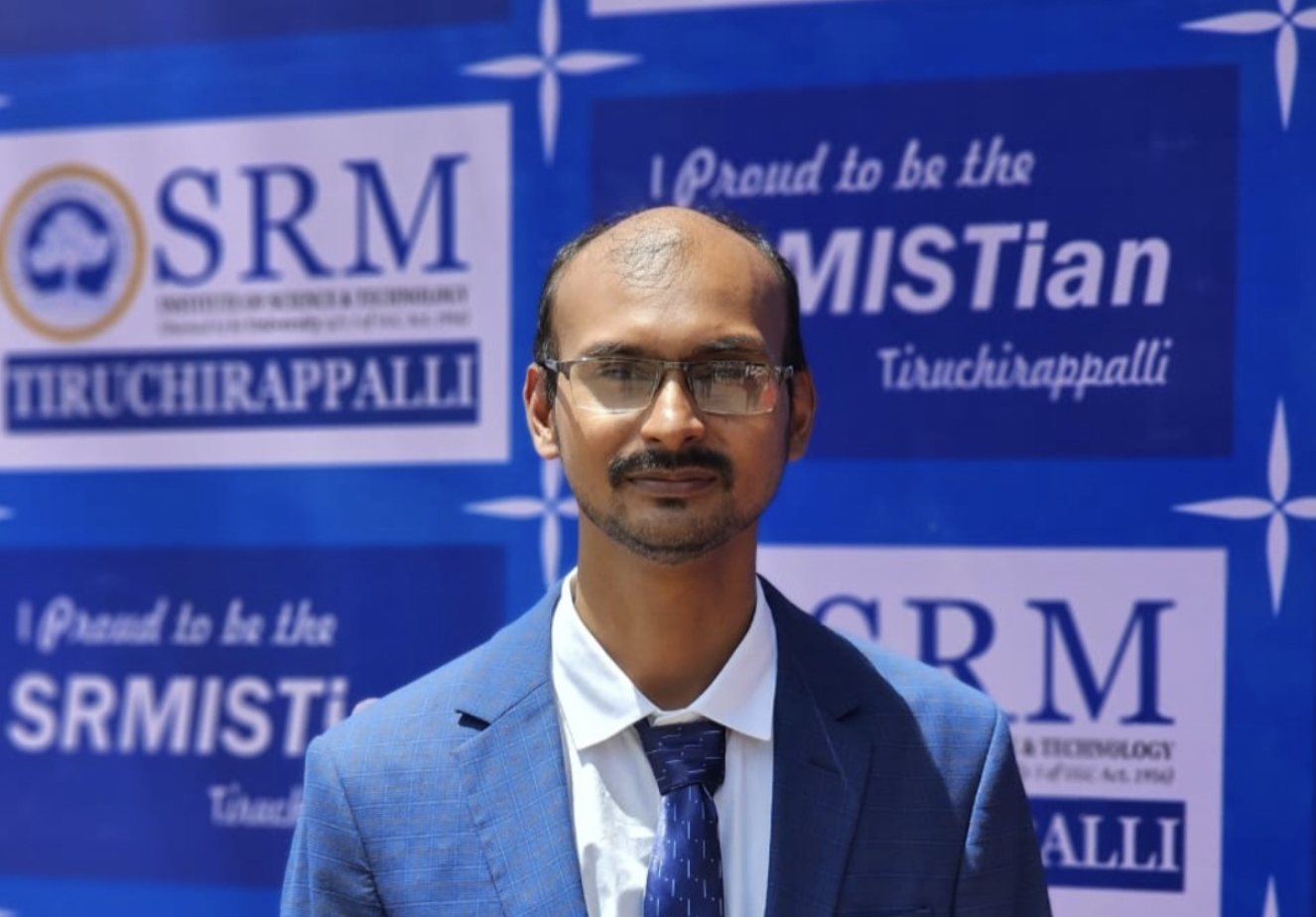
My name is Kamran Saleem Awan, and I am a Certified Prosthetist and Orthotist with over 25 years of experience in rehabilitation, limb preservation, and professional development within the Orthotics and Prosthetics profession. I live and practice in Islamabad, Pakistan, where I combine clinical care with leadership and advocacy to elevate the standards and recognition of Orthotics and Prosthetics in the region.
I graduated from the Peshawar Training Center for Orthopedic Technologists (PETCOT) in 1996 with a BSc in Prosthetics and Orthotic Sciences. At the time, PETCOT was the only formal prosthetics and orthotics training institute in South Asia, playing a foundational role in establishing the profession across the region. This early training shaped my lifelong commitment to patient-centered care and professional excellence.
I graduated in 1996, during a period when structured education and professional pathways in Orthotics and Prosthetics were extremely limited across South Asia.
I am the Founder and CEO of Arthromax Orthopedics and Podiatry, a company committed to transforming the prosthetics and orthotics landscape in Pakistan. Alongside clinical practice, I lead Project Quantum Leap, an initiative designed to redefine the structural and foundational framework of the profession, aligning education, regulation, clinical standards, and service delivery with the best systems in the world. Through this project, our goal is to elevate professional credibility, protect patients, and ensure that Orthotics and Prosthetics is practiced with the recognition, rigor, and respect it deserves.
What do you claim is your speciality – your O&P passion?
My professional passion lies in limb preservation, diabetic foot care, and complex orthotic–prosthetic rehabilitation. I am particularly committed to preventing avoidable amputations through early diagnosis, proper offloading, and multidisciplinary evidence-based care.
What do you like most about practicing O&P?
What I value most about practicing Orthotics and Prosthetics is the ability to restore dignity, independence, and hope. The profession allows us to intervene at critical moments in a patient’s life and produce outcomes that permanently improve their quality of life.
What frustrates you about O&P?
I am concerned by the lack of recognition and respect for Orthotics and Prosthetics as a profession, despite its critical impact on patients’ mobility, health, and independence. These frustrations motivate me to lead Project Quantum Leap, which aims for systemic reform rather than isolated solutions.
I am equally frustrated by the limited availability of high-quality materials locally and the challenges of sourcing specialized raw materials globally, which can directly affect patient care.
What is your greatest patient story in O&P?
One of the most meaningful cases in my career involved a high-risk diabetic patient who had been advised to undergo a below-knee amputation. Through structured wound care, pressure offloading, and customized orthotic intervention, we were able to heal the ulcer and successfully avoid amputation. The patient remains ambulatory today, reaffirming my belief that timely and skilled O&P care saves limbs and transforms lives.
How do you build rapport with patients in your care?
I build rapport by listening attentively, educating patients in clear and honest language, and involving them in every stage of treatment. Trust develops when patients feel respected, understood, and confident that their long-term wellbeing—not just the delivery of a device—is the ultimate goal.
 By
The Editor
By
The Editor