 By
By
The ongoing U.S.-Israeli military campaign in Iran is creating what appears to be a rapidly growing rehabilitation emergency, with hospitals facing rising numbers of patients with life-changing injuries, including amputations. Independent reporting confirms that the conflict began on February 28, 2026, and within days Iranian authorities were reporting more than 900 deaths and over 6,000 injuries, while the World Health Organization said it had verified multiple attacks affecting health facilities.
According to The New Arab, citing the Iranian Health Ministry, preliminary estimates place the number of war-related amputees at between 220 and 250 nationwide. While that specific figure has not been independently confirmed in the sources reviewed, it would be consistent with the scale of injuries reported so far.
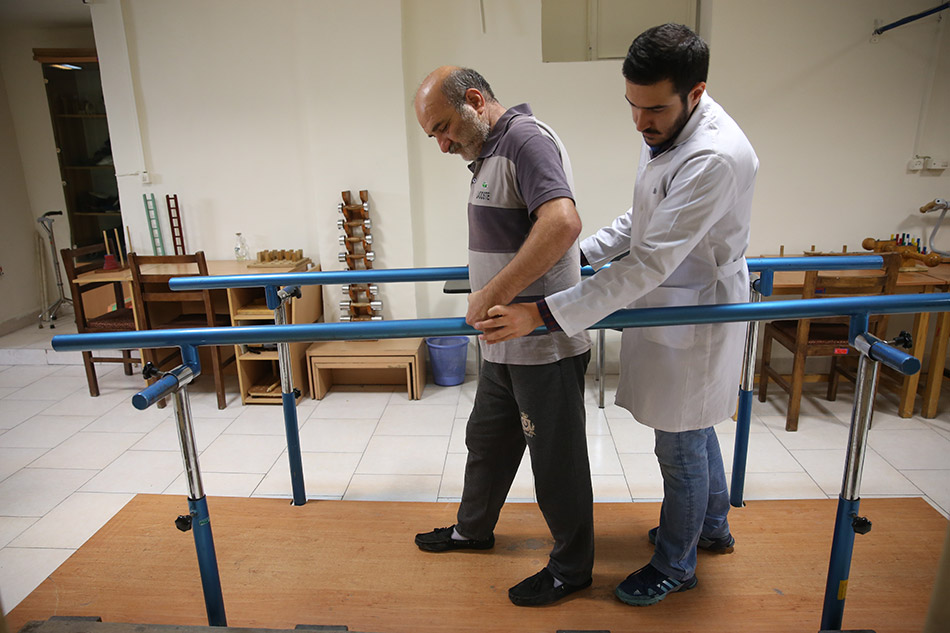
For rehabilitation providers, the significance is immediate. Amputation is not only an acute surgical issue but the beginning of a long-term care pathway involving wound management, physiotherapy, psychological support, mobility aids, and eventual prosthetic fitting. In a conflict setting, that pathway is often severely disrupted by shortages of staff, damaged infrastructure, and interruptions in supply chains. WHO has already confirmed attacks on Iranian health infrastructure, underscoring the pressure on hospitals and emergency services.
The likely consequence is that many survivors will leave hospital without access to the rehabilitation services they need. Even where emergency surgery is available, long-term recovery depends on follow-up systems that are difficult to sustain during active conflict. Experience from other war zones has shown that delays in rehabilitation can increase disability, reduce independence, and place major emotional and financial strain on families.
For the O&P sector, the developing situation in Iran is a reminder that the true burden of war is measured not only in deaths, but in the number of people who will need months or years of physical rehabilitation, prosthetic care, and social support. If casualty levels continue to rise, demand for trauma rehabilitation, assistive devices, and prosthetic services is likely to grow quickly, placing further pressure on an already strained health system.