 By
By
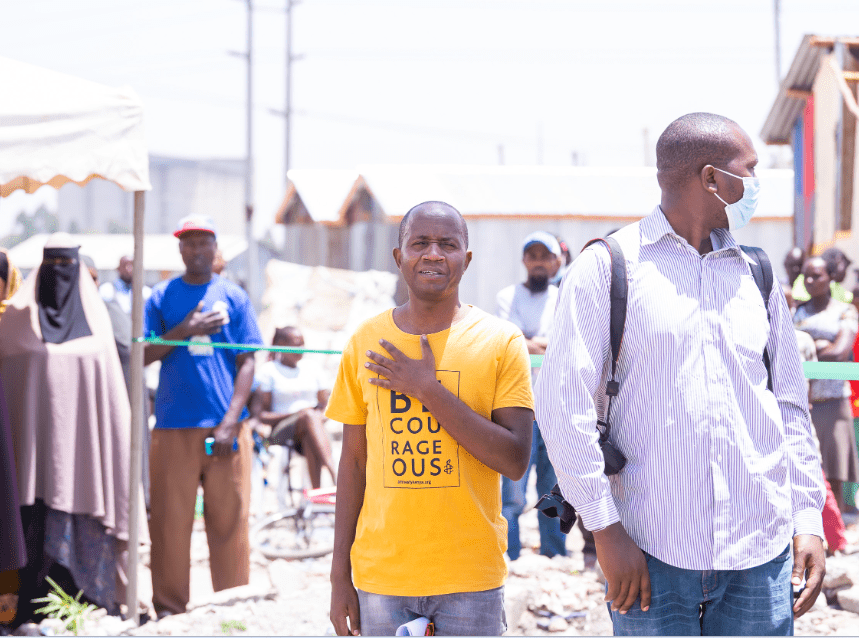
Amnesty International Kenya has launched a public petition calling on the Ministry of Health to revise Kenya’s Social Health Authority (SHA) benefits package to include essential assistive devices such as prosthetic limbs, orthotics, wheelchairs, hearing aids, crutches, and pediatric assistive products. The campaign, titled “Include Assistive Devices in SHA Now — No One Should Be Left Behind,” highlights a critical gap in the country’s health insurance framework that leaves many persons with disabilities excluded from meaningful access to healthcare and livelihood opportunities.
According to the 2019 Kenya National Bureau of Statistics census, nearly one million Kenyans — roughly one in every 45 people — live with some form of disability. Globally, the World Health Organization estimates that over 2.5 billion people require at least one assistive product, yet nearly one billion are denied access, with the greatest barriers found in low- and middle-income countries.
In Kenya today, assistive devices are not currently covered under the SHA, meaning individuals must pay entirely out of pocket for products that are often prohibitively expensive. For many families, the cost of a single prosthetic limb or wheelchair can equal months or even years of household income. The financial burden is especially heavy for children who need repeated replacements as they grow, and for devices that require ongoing repairs and maintenance.
Amnesty Kenya’s petition underscores the severe social and economic consequences of this exclusion, including increased school drop-out rates, job loss, deepening poverty, and preventable health complications such as pressure sores and joint deformities. The campaign frames the current SHA policy not simply as an insurance gap, but as a structural barrier that deepens inequality and undermines dignity and participation in society.
The petition urges the Ministry of Health to amend the SHA benefits package to:
- Provide comprehensive coverage for assistive devices and essential mobility products.
- Include initial fittings, replacements, and pediatric adjustments as children grow.
- Support repair and maintenance services.
- Accredit qualified rehabilitation and prosthetic/orthotic providers to ensure safe, high-quality care.
Amnesty Kenya’s campaign reflects a growing recognition that access to assistive technology is not just a matter of healthcare but a human rights issue — vital for ensuring persons with disabilities can access education, employment, independence, and full participation in society.