 By
By
Patients at risk of amputation as health system collapse increases demand for prosthetic and rehabilitation care
Thousands of critically ill patients in Gaza remain unable to access life-saving medical treatment outside the territory as border closures and restrictions on medical evacuations continue to limit the movement of patients in need of urgent care. Health authorities and international organisations warn that the situation is leading to preventable amputations, worsening disability, and loss of life.
Source
https://www.aljazeera.com/
According to the World Health Organization, at least 18,000 people in Gaza require urgent medical evacuation to receive treatment that is not available locally. With crossings largely closed, only a small number of patients are able to leave, leaving many without access to surgery, cancer treatment, dialysis, or advanced trauma care.
WHO updates on Gaza health situation
https://www.who.int/emergencies/situations/occupied-palestinian-territory
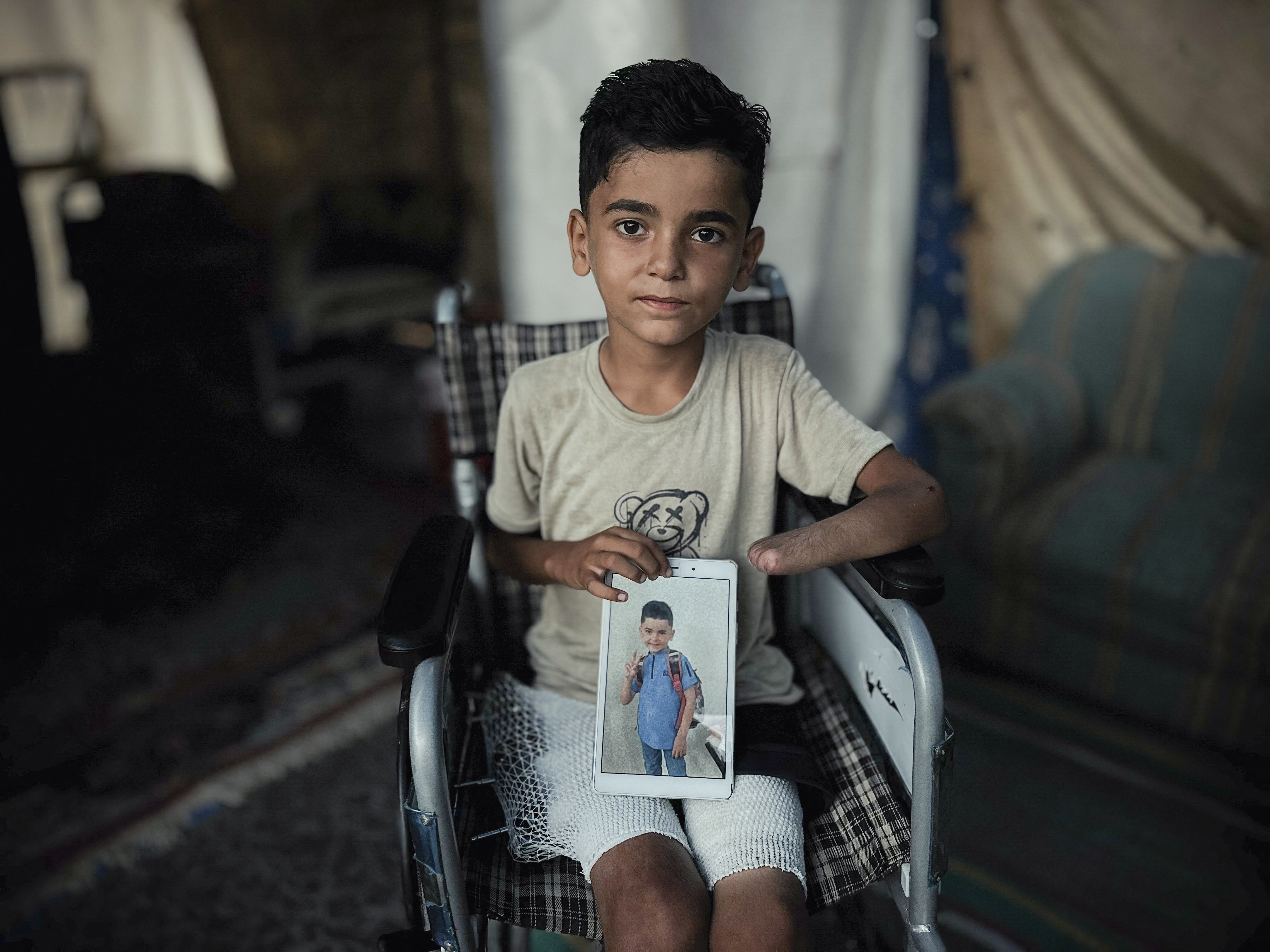
Among those waiting for evacuation are patients with severe injuries that require specialist surgical treatment. In many cases, delays mean that conditions worsen to the point where limb salvage is no longer possible. Doctors report that patients who might otherwise have recovered with timely surgery now face amputation because treatment cannot be performed inside Gaza’s damaged health system.
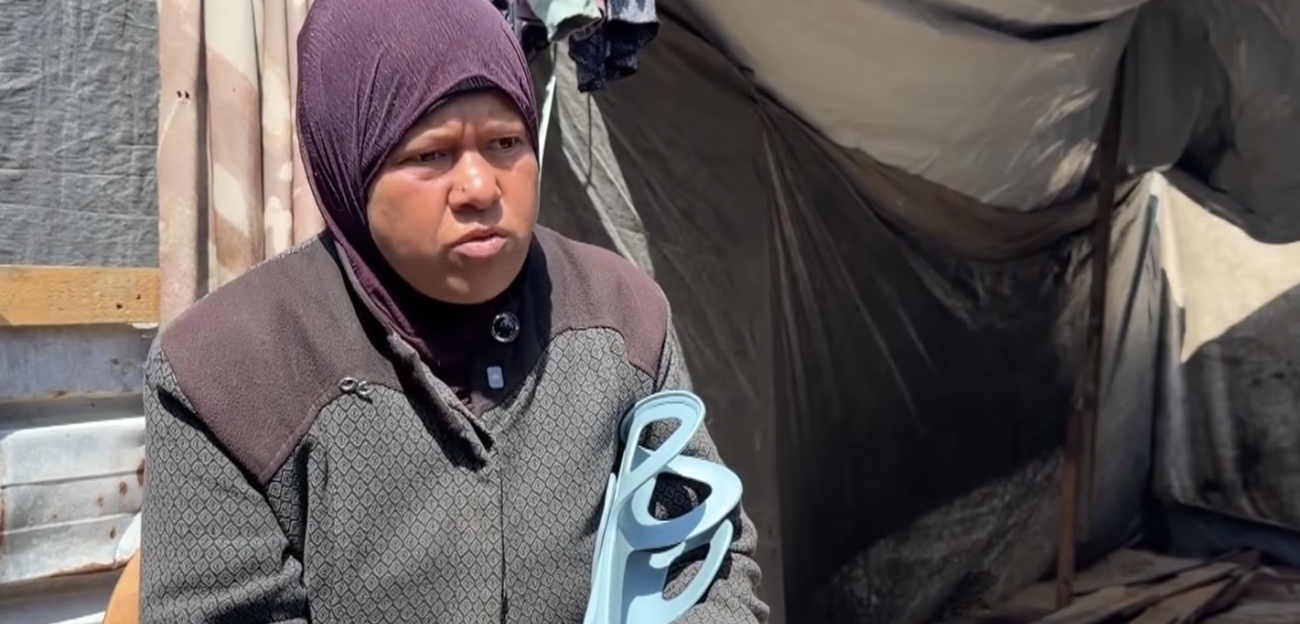
One patient, Amna, is at risk of losing her leg without urgent surgery abroad, while Ahmed, who suffers from kidney failure and prostate cancer, has already undergone one amputation and requires further specialist treatment not available locally. Their cases reflect the growing number of people whose conditions cannot be managed in Gaza due to shortages of equipment, medication, and specialist staff.
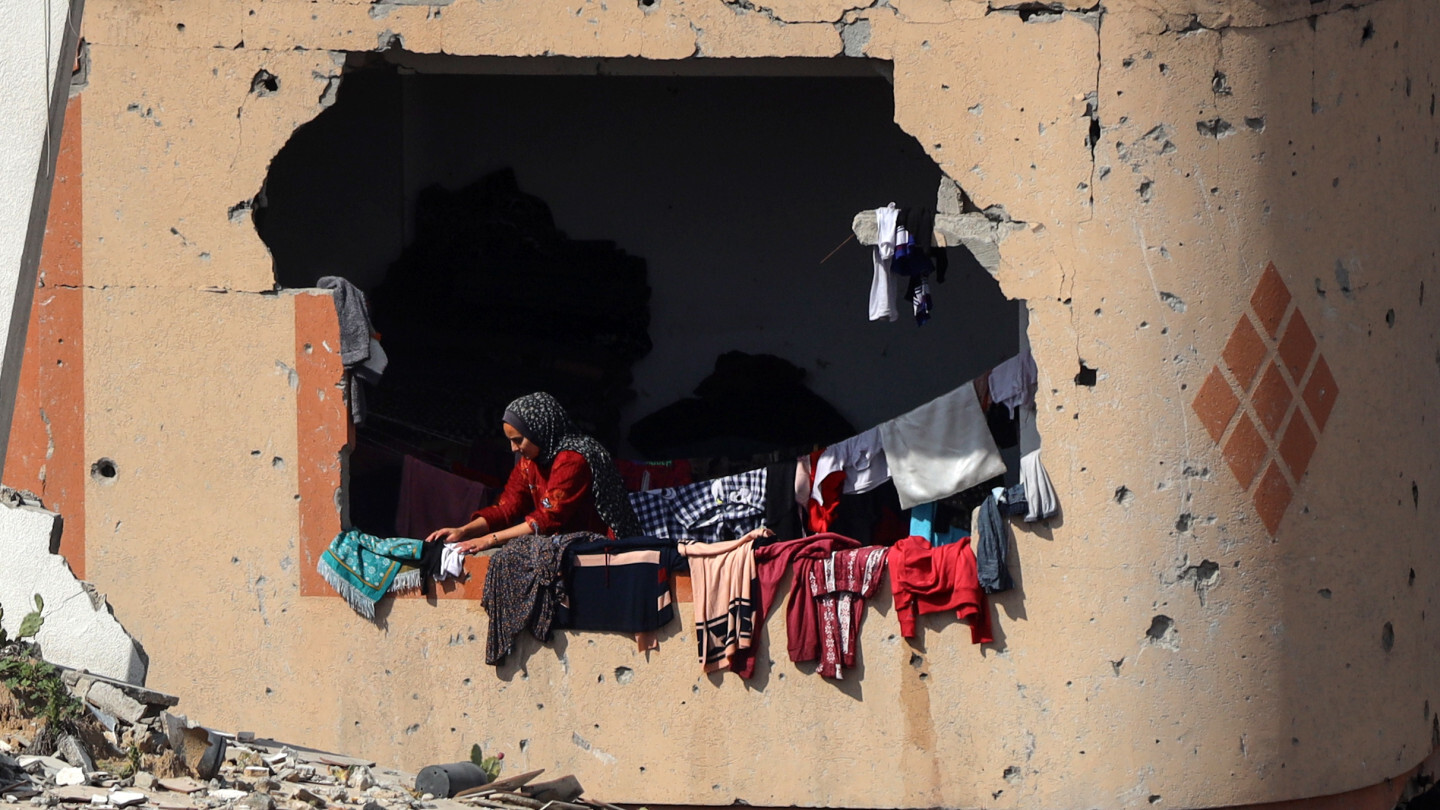
Hospitals in Gaza have been operating under extreme pressure for months, with damaged infrastructure, limited electricity, and shortages of essential supplies making complex surgery and rehabilitation increasingly difficult. The collapse of referral pathways has left many patients dependent on international medical evacuation programmes that are currently operating at very limited capacity.
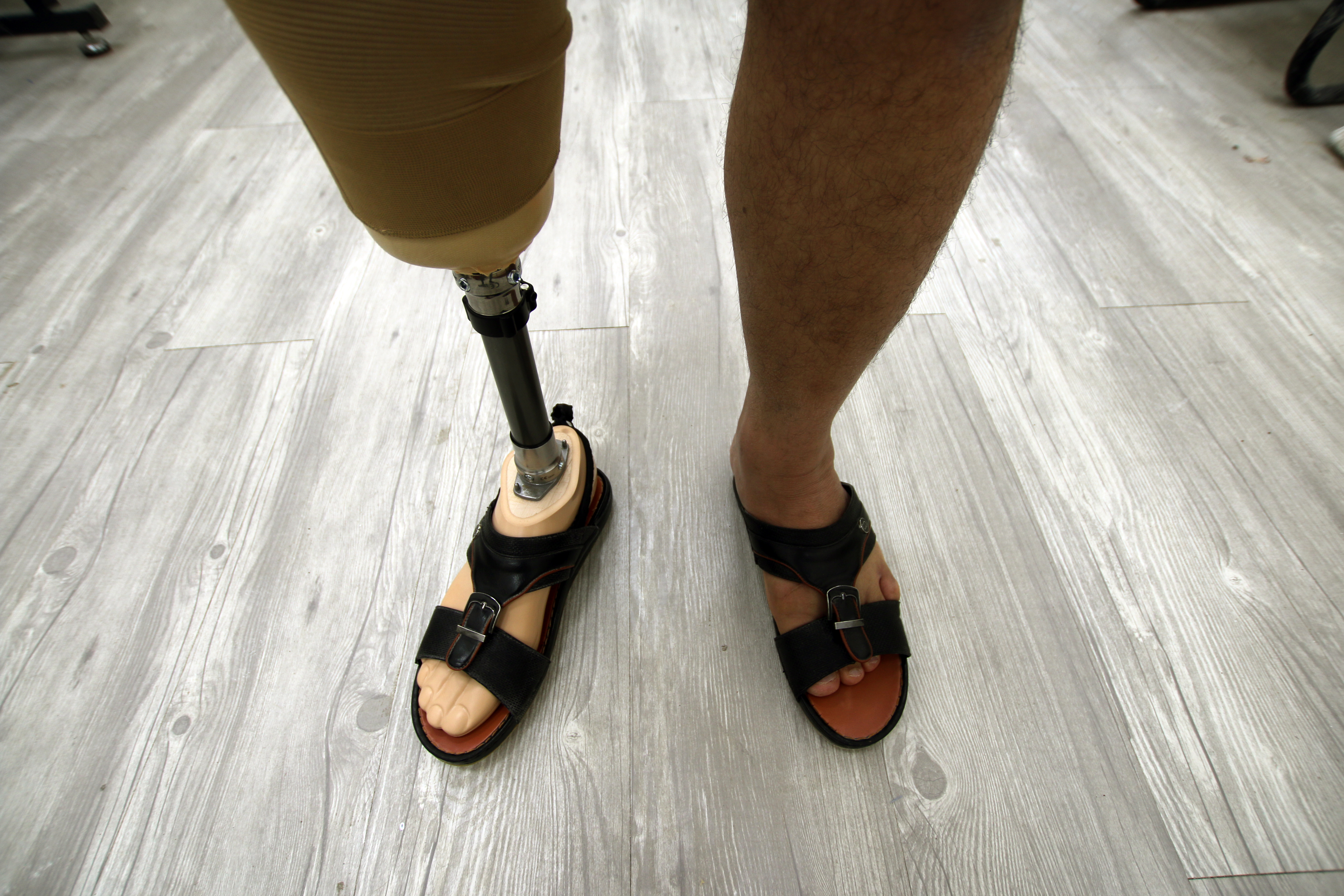
For the orthotics and prosthetics sector, the consequences are expected to be long-term. Delayed treatment of trauma, vascular disease, and infection increases the number of amputations, which in turn creates a growing need for prosthetic limbs, orthotic support, and rehabilitation services. Clinics in Gaza already face shortages of materials, components, and trained personnel, making it difficult to meet the rising demand.
Humanitarian organisations have repeatedly called for the reopening of medical evacuation corridors, warning that without access to specialised care outside the territory, the number of people living with permanent disability will continue to rise.
For rehabilitation professionals across the region, the situation highlights the critical link between emergency medical care, limb salvage surgery, and long-term prosthetic and orthotic services. When early treatment is not possible, the burden on rehabilitation systems increases dramatically, with consequences that can last for years.