 By
By
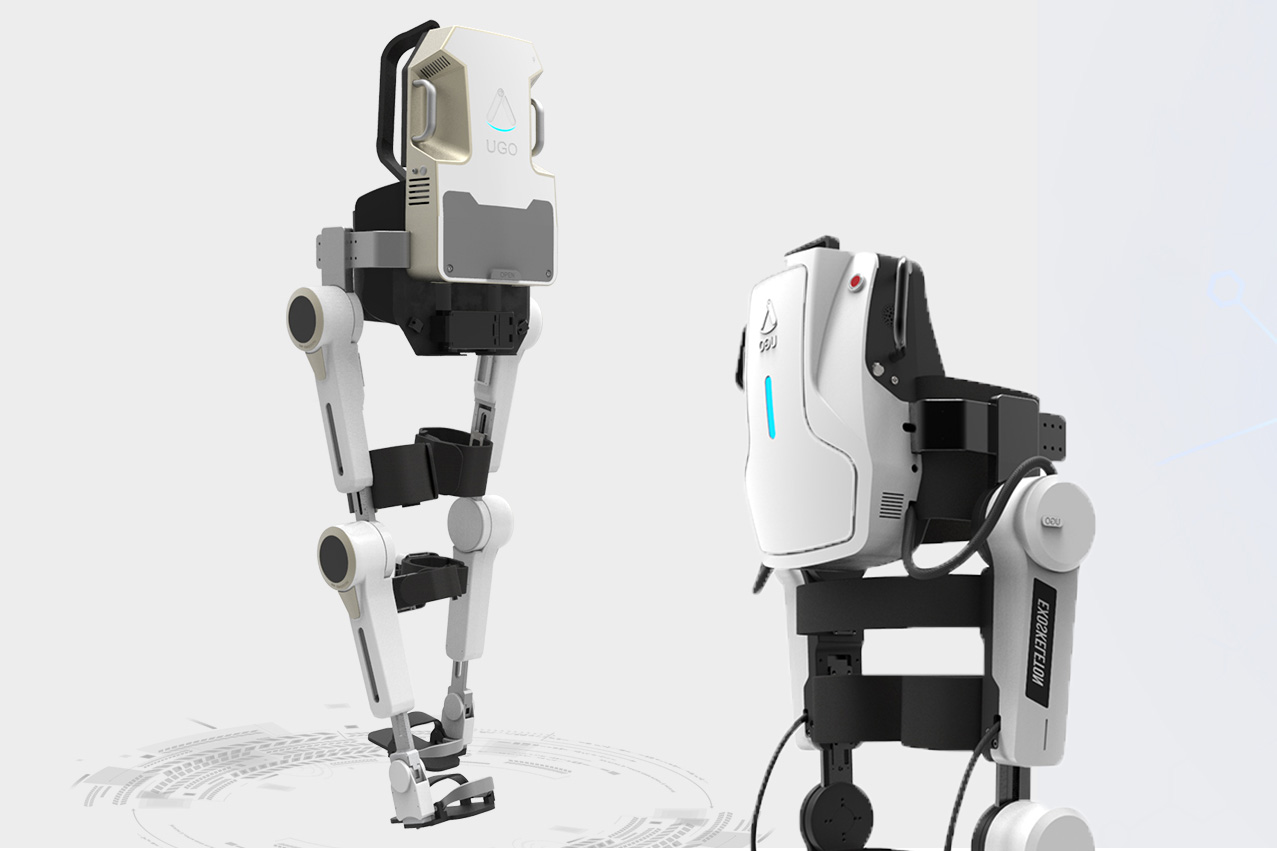
RoboCT announced a successful North American debut at RehabWeek Chicago 2025 (May 12–16), a leading global event in rehabilitation medicine and technology. Held in downtown Chicago, RehabWeek brought together clinicians, researchers, and industry leaders from multiple allied societies, offering RoboCT a prime opportunity to showcase its latest rehabilitative and assistive exoskeleton systems while strengthening international partnerships for clinical translation and scaling. The event’s unique multi-society structure—uniting prominent clinical and engineering communities—allowed RoboCT to engage across disciplines on topics like supporting clinical evidence, integrating technology into workflows, and improving patient access. Throughout five days of workshops, keynotes, poster presentations, and on-site lab and clinic visits, attendees were able to experience first-hand the exoskeletons’ ergonomics, safety features, and therapist-focused controls in scenarios ranging from early mobilisation to community reintegration.
“Our mission is straightforward: make advanced robotics part of everyday care,” said Wang Tian, Founder & CEO of RoboCT. “RehabWeek Chicago enabled close collaboration with therapists and researchers on crucial details such as rapid setup, strong safety, transparent data, and demonstrable functional outcomes. When technology puts clinicians and patients first, it can grow with confidence.”
Clinical readiness by design
RoboCT’s portfolio of rehabilitative exoskeletons is designed for regular use in hospitals, rehabilitation centers, and, over time, supervised community environments. Core design features include:
+ Therapist-centered controls: User-friendly interfaces, adjustable support, and guided checklists allow clinicians to personalize treatment according to patient needs and goals.
+ Robust safety design: Multi-sensor monitoring, integrated harnesses, and validated emergency-stop protocols enable confident early-stage gait training.
+ Operational efficiency: Quick donning and doffing, reusable parameter presets, and simplified documentation help reduce setup time and maximize meaningful repetitions each session.
+ Actionable insights: Session data on cadence, distance, assistance, and tolerance give clinicians clear feedback, supporting protocol refinement and outcome tracking.
During live demonstrations and technical discussions, participants at RehabWeek emphasized the value of fitting technology to real-world clinical workflows—from ward-based mobilisation to outpatient gait retraining—while prioritizing patient comfort and psychological safety. RoboCT systems are built to complement traditional therapy, providing consistent, task-specific practice that scales within interdisciplinary care teams.
Scaling from pilots to global impact
RoboCT’s presence in Chicago highlights its broader international strategy: co-developing solutions with clinicians, validating across multiple sites, and standardizing protocols for safe and effective adoption. The company is focusing on partnerships that connect training programs, implementation guides, and shared outcome measures—helping transition pilot projects into meaningful, sustainable change from hospital to home.
The roadmap includes:
+ Structured training and certification for therapists and biomedical engineers to support safe use and consistent standards.
+ Implementation toolkits covering patient selection, safety protocols, documentation workflows, and maintenance, tailored to local regulations.
+ Evidence frameworks focusing on therapy dosage, functional milestones, tolerance, and patient-reported outcomes to inform procurement and reimbursement.
+ Integration with digital rehabilitation platforms for ongoing monitoring, clinical decision support, and service quality.
“RehabWeek bridges the worlds of science, engineering, and frontline clinical care,” Wang Tian added. “When we align on protocols and data that matter most to patients and providers, we can break the cycle of endless pilots and truly scale reliable, therapist-led robotics.”
Opportunities for collaboration
RoboCT invites hospitals, rehabilitation networks, and research institutions to partner on:
+ Joint training and competency programs for capacity building,
+ Multi-site clinical studies to strengthen the evidence base,
+ Workflow co-design to integrate exoskeletons into acute, post-acute, and community care pathways,
+ Knowledge exchange through workshops and clinician roundtables—including at future RehabWeek events and allied society meetings.





.jpeg)

-1.png "Gaza Fund (1)-1")