 By
By
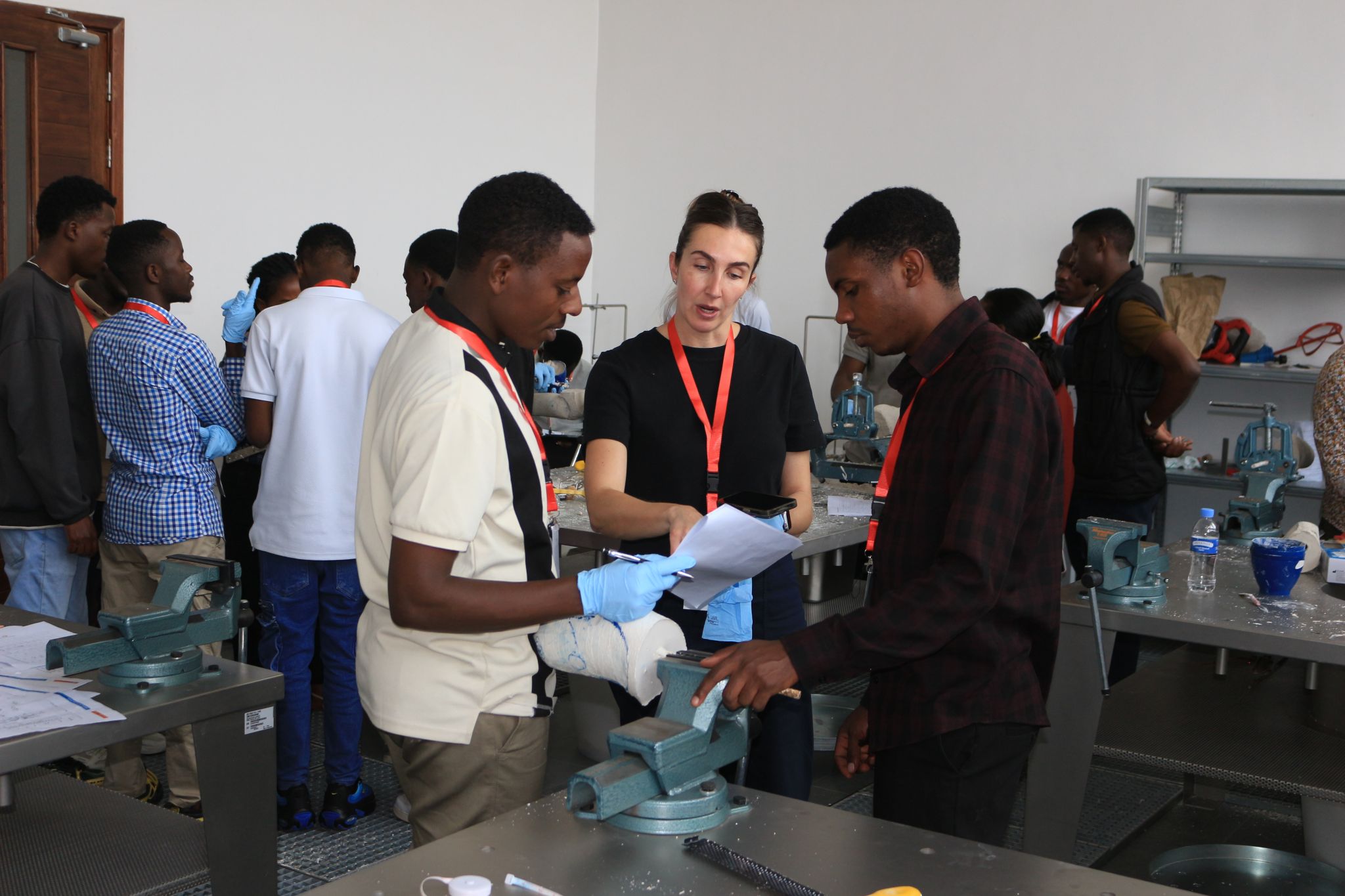
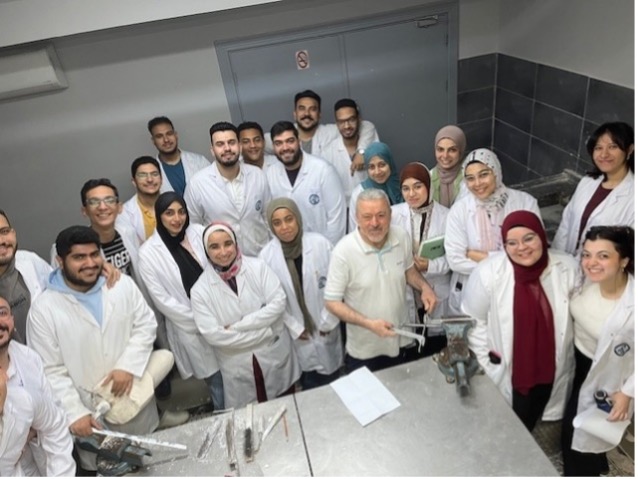
Building sustainable prosthetic care requires more than equipment or short-term missions. It depends on long-term partnerships that strengthen local capacity, expand clinical expertise, and create systems that can continue serving patients well into the future.
That principle is at the heart of the Rwanda Prosthetic Training Mission, a collaborative initiative bringing together organisations working across healthcare, innovation, rehabilitation, and disability inclusion.
The mission unites a broad network of partners, including Operation Namaste, Bridging Afrika, the Global Disability Innovation Hub, the King Faisal Foundation, and the National Union of Disability Organizations in Rwanda (NUDOR), alongside the University of Rwanda and a wider ecosystem of clinical, academic, and innovation stakeholders.
Together, the initiative aims to help establish local liner production capacity in Rwanda while also supporting the development of certified clinicians capable of delivering quality prosthetic services across the region. That combination of manufacturing capability and workforce development is essential for reducing long-term dependency on imported consumables and external technical support.
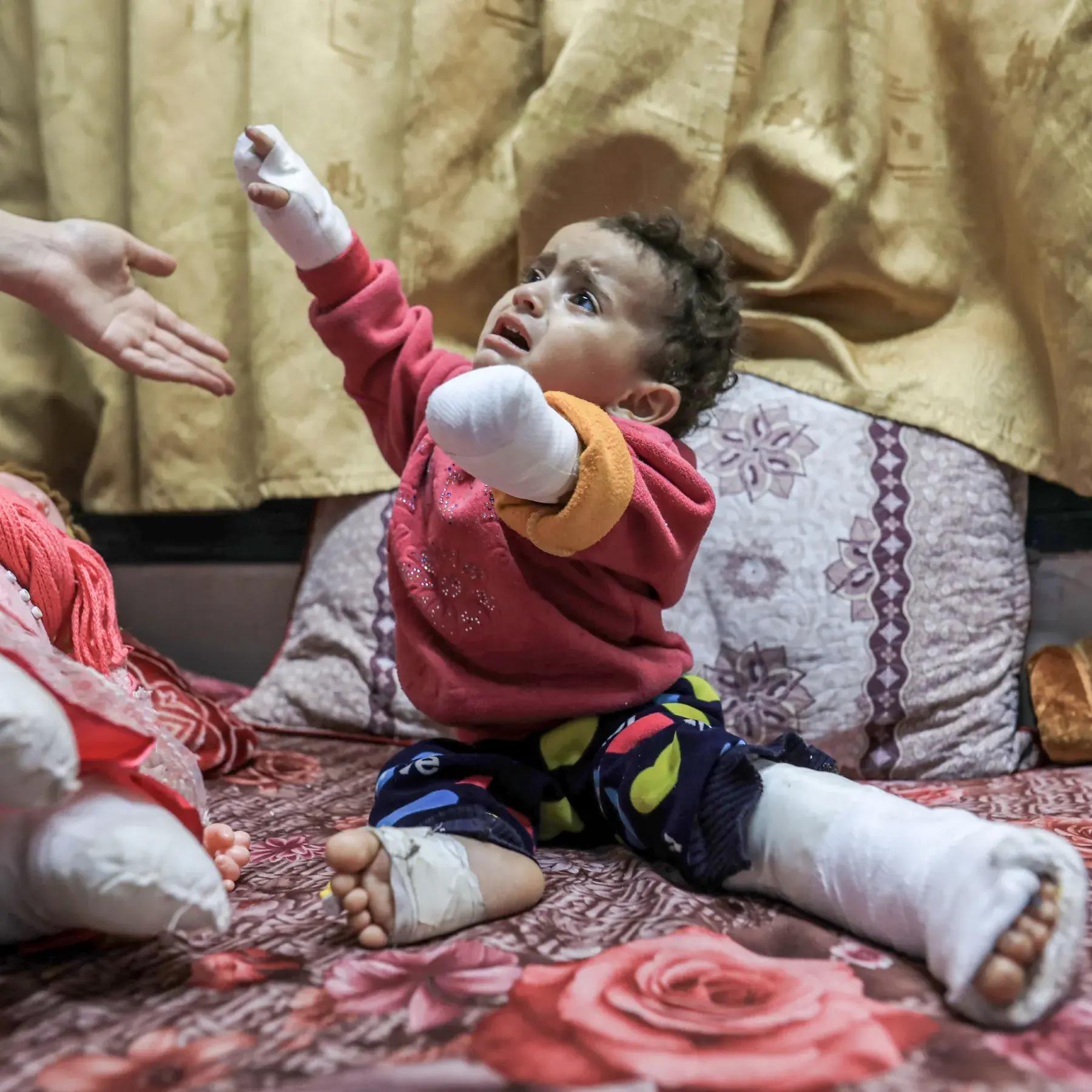
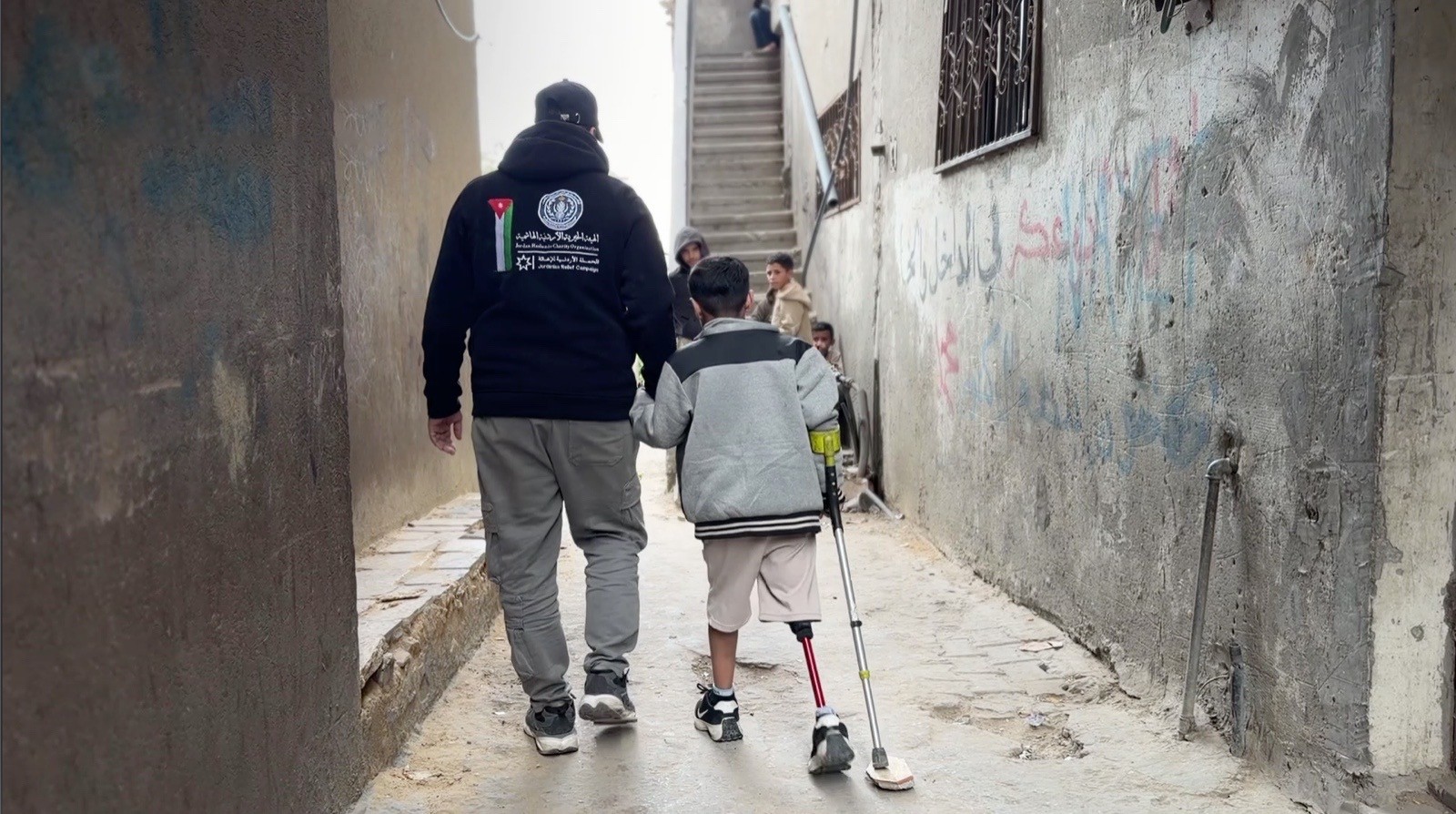
Importantly, the programme is not focused only on domestic service delivery. It also places priority on clinicians working with conflict-affected populations, including people from eastern Democratic Republic of Congo and refugee communities in Uganda. In doing so, the mission reflects the growing need for rehabilitation models that can respond to displacement, trauma, and cross-border demand for prosthetic care.
For the wider IMEA prosthetics and orthotics sector, this kind of collaboration offers an important model. Sustainable access is more likely when local universities, hospitals, disability organisations, innovation hubs, and international partners work together to build practical in-country capability rather than relying solely on episodic donation-based support.
The Rwanda Prosthetic Training Mission shows how partnership-led development can move the sector toward a future in which prosthetic care is more accessible, more sustainable, and more locally led.