 By
By
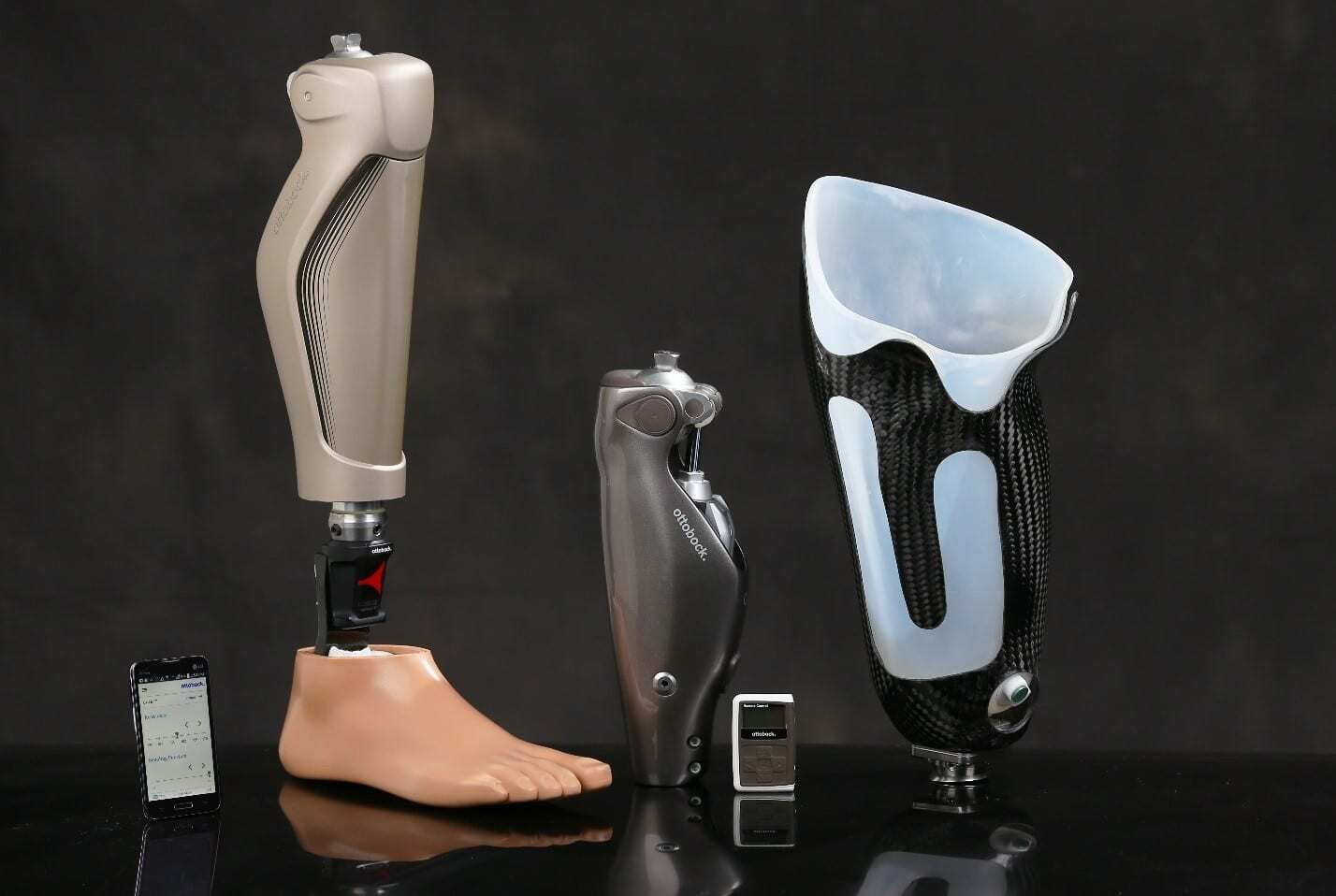
Researchers are exploring new ways to restore a sense of touch for people using prosthetic limbs. A recent study published in Science Robotics demonstrates that vibrotactile feedback — small vibration signals delivered to the skin — can significantly improve how users interact with their prostheses, helping them perform tasks more efficiently and confidently.
Restoring Sensory Feedback in Prosthetics
Modern prosthetic limbs have become increasingly advanced, with improved mechanical designs, electronics, and control systems. However, one major limitation remains: most users receive little or no sensory feedback from their artificial limb. Without this feedback, users must rely heavily on visual cues to determine how strongly they are gripping objects or how their prosthesis is interacting with the environment.
The research team investigated whether vibrotactile feedback could help solve this problem. Instead of attempting to fully replicate natural touch, the system translates information such as grip force or contact events into small vibrations delivered to the user’s skin. These vibrations act as signals that inform the user about what the prosthetic limb is doing.
How the System Works
In the system tested by the researchers, sensors embedded in the prosthetic device detect forces or contact with objects. These signals are converted into vibration patterns delivered through small actuators placed on the user’s arm or other areas of the body.
Each vibration corresponds to a specific type of information, such as:
- the amount of force applied during gripping
- the moment when an object is first touched
- changes in pressure while manipulating objects
By learning how these vibration patterns relate to their actions, users can gain a better sense of how the prosthesis interacts with the environment.
Improved Task Performance
Participants using vibrotactile feedback demonstrated improved performance in several functional tasks. They were better able to control grip force and manipulate objects with greater precision compared with prosthesis use without feedback.
The results suggest that providing even simple sensory cues can greatly enhance usability. Instead of constantly watching their prosthetic hand, users can rely on tactile signals to guide their actions.
Researchers also observed that users adapted quickly to the system. With practice, the vibration signals became intuitive, enabling more natural interaction with the prosthetic device.
Benefits for Everyday Prosthetic Use
Improving feedback is critical for real-world prosthetic use. Many everyday tasks require delicate control — holding a fragile object, picking up small items, or adjusting grip strength.
Without feedback, users often apply too much or too little force, increasing the likelihood of dropping or damaging objects. Vibrotactile feedback helps bridge this gap by providing information that would normally be conveyed through the natural sense of touch.
In addition, improved feedback may reduce the mental effort required to operate a prosthetic limb, allowing users to perform tasks more smoothly and with less concentration.
Toward More Natural Prosthetic Interaction
Although vibrotactile feedback does not replicate the full complexity of human touch, it offers a practical solution that can be integrated into existing prosthetic systems. Compared with more invasive approaches such as neural implants, vibration-based systems are simpler, safer, and easier to implement.
The study highlights how relatively straightforward technologies can dramatically improve prosthetic usability. As prosthetic devices continue to evolve, integrating sensory feedback will likely play a key role in creating more intuitive and functional artificial limbs.
For people living with limb loss, such innovations bring prosthetic technology one step closer to restoring natural interaction with the world.