 By
By

New data from Australia is reinforcing a message the orthotics, prosthetics and rehabilitation sector should already be taking seriously: diabetic foot disease is not a secondary complication sitting quietly in the background. It is a major hospital burden, a major limb-threat issue and a major health-system cost driver. A recent post by David G. Armstrong highlighted findings from an Australian study showing that foot infection is the single largest disease-specific contributor to excess hospital bed-days among people with diabetes.
The underlying study, published in Diabetic Medicine, reported that people with diabetes in Australia experienced substantially higher hospital bed-day use than the general population, with nearly half of the excess burden linked to traditional diabetes complications. Among specific causes, foot infection had the largest single-disease annual excess bed-day rate, exceeding angina, ischaemic heart disease and myocardial infarction.
That is the real headline for the O&P field. For all the attention often given to cardiovascular complications in diabetes, diabetic foot disease is proving to be one of the most immediate and system-intensive manifestations of poor control, neuropathy, vascular compromise and delayed intervention. The source article distilled that point clearly: diabetic foot infections are consuming more hospital time than several major heart-related conditions.
This matters far beyond podiatry alone. For orthotists, prosthetists, rehabilitation teams and wound-care pathways, diabetic foot disease sits at the centre of a much bigger clinical and service-delivery challenge. Foot ulceration, infection, offloading failure, delayed referral, poor footwear provision and inadequate follow-up can all push patients toward hospital admission, surgical escalation and, ultimately, amputation. Australian clinical literature has long described diabetic foot disease as a serious and common complication, noting high lifetime ulcer risk and the fact that many diabetes-related amputations are preceded by ulceration.
The Australian context is particularly useful because it provides a measurable health-system lens on a problem seen globally. National data from the Australian Institute of Health and Welfare also shows diabetic foot complications remain common, including peripheral neuropathy, ulceration, peripheral vascular disease and lower-limb amputation. That helps explain why the newer bed-day data should not be dismissed as an isolated statistic. It reflects a broader, established burden of diabetes-related foot disease.
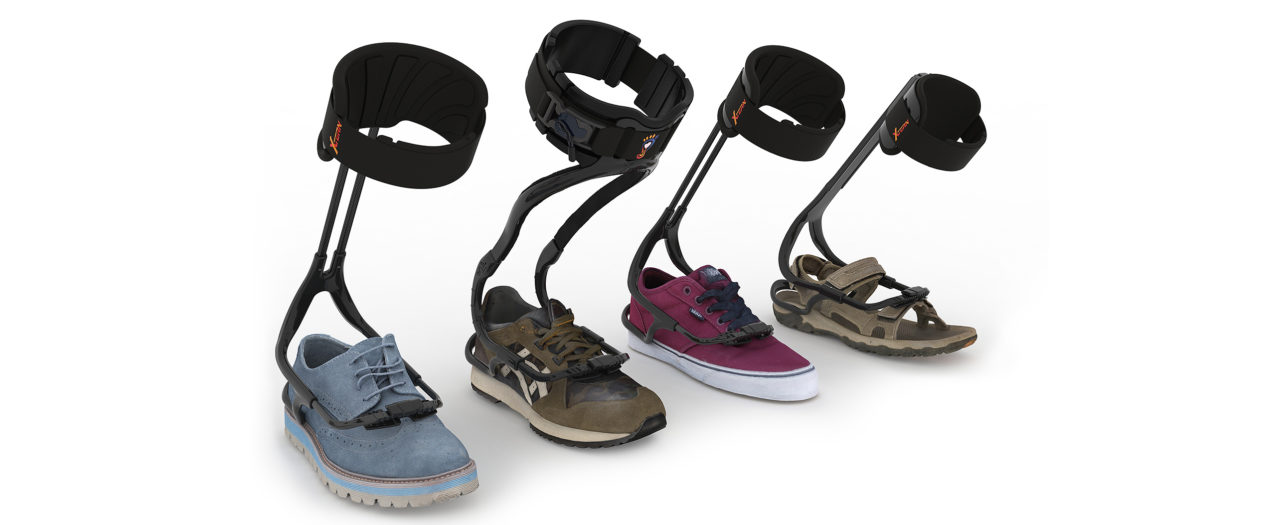
For the orthotics and prosthetics market, the implications are direct. If diabetic foot disease is filling hospital beds, then the value of early intervention, pressure redistribution, protective orthoses, appropriate footwear, offloading systems and integrated limb-preservation pathways only grows. This is not simply a medical management story. It is also a service-design and device-access story. The more health systems recognise diabetic foot admissions as avoidable or reducible, the stronger the case becomes for structured prevention programmes and earlier deployment of external support solutions. This is an inference from the hospital-burden findings and the established role of diabetic foot care pathways in reducing progression.
There is also a clear gender signal in the findings. The source summary noted that men experienced roughly double the foot infection bed-day rate seen in women. That detail matters because it suggests diabetic foot burden is not evenly distributed and may require more targeted screening, education and service design for higher-risk groups.
For IMEA markets, the warning may be even more relevant. Many countries across the region face rising diabetes prevalence, inconsistent access to foot screening, fragmented referral systems, late presentation and variable access to specialist offloading and wound care. In that environment, diabetic foot disease can move from manageable ulcer risk to major hospital burden very quickly. The Australian numbers may come from a high-resource system, but the central lesson travels well: the diabetic foot is not just a foot problem. It is a capacity problem for hospitals, a cost problem for health systems and a limb-loss problem for patients.
That is why the sector should resist thinking about diabetic foot care only in terms of salvage after deterioration. The bigger opportunity lies earlier: screening, triage, offloading, pressure management, custom orthotic intervention, footwear adaptation, wound monitoring and rapid escalation when infection or ischaemia is suspected. If providers wait until the patient is already in a hospital bed, they are often entering the pathway too late. This conclusion is interpretive, but it follows directly from the evidence that excess hospital bed-days are driven more by admission rates than by longer stays alone.
The message for the global O&P and rehabilitation field is simple. Diabetic foot disease deserves to be treated as a major strategic priority, not a niche subspecialty. The newest Australian data adds more weight to an already compelling case: preventing ulcers, infection and progression is not only good for patients, it is increasingly essential for protecting hospital capacity and reducing avoidable amputations.