
 By
By
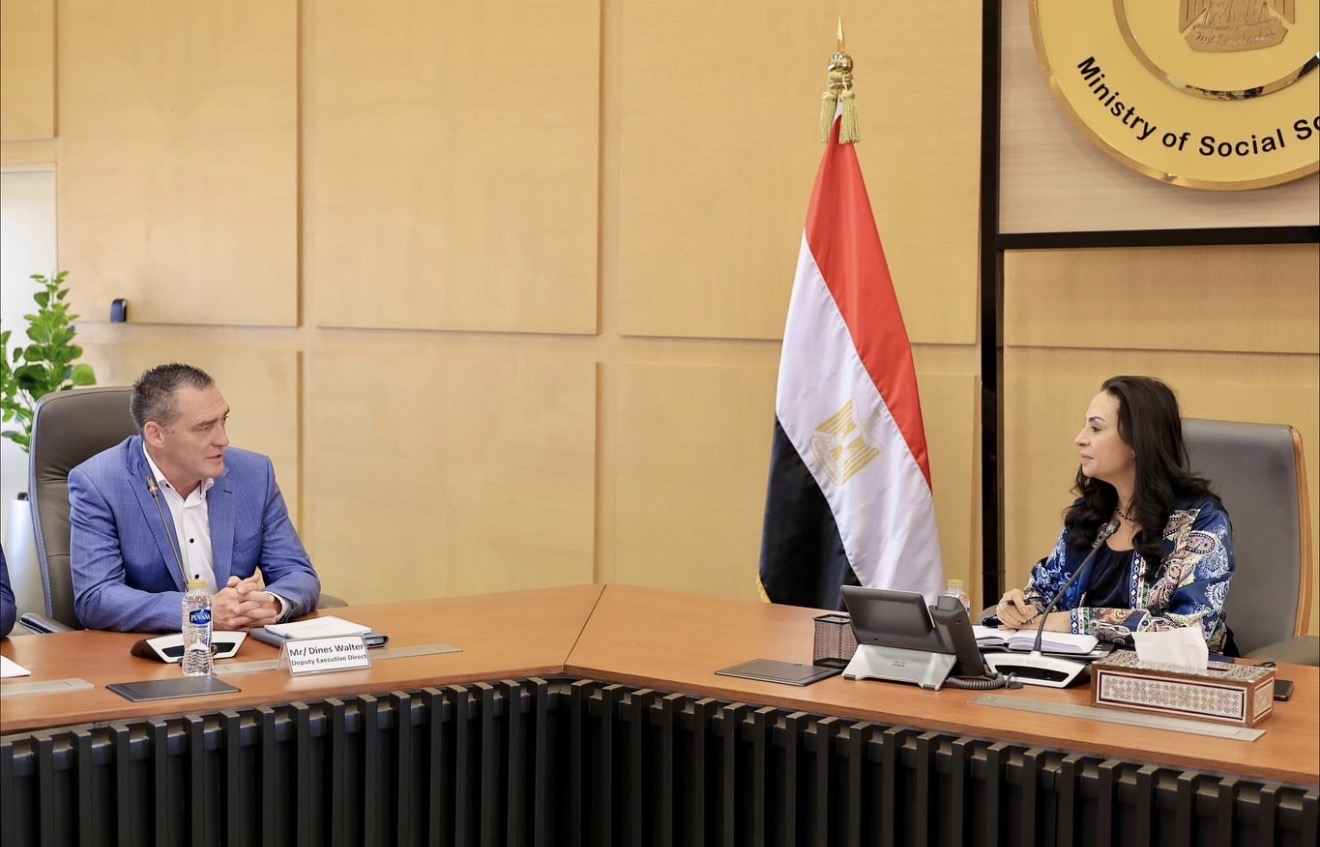
In a significant step toward strengthening Egypt’s national capacity in the field of prosthetics and orthotics, Her Excellency Dr. Nevine El-Kabbaj, Minister of Social Solidarity, met with a delegation from Ottobock, the renowned German company specializing in advanced prosthetic and orthotic technologies, alongside representatives from Orthomedix, Ottobock’s exclusive agent in Egypt. The meeting focused on reviewing progress in the project to localize the prosthetic components industry and the establishment of assembly and coordination centers across the country.
This initiative forms part of Egypt’s broader strategy to promote self-sufficiency and technological independence in the rehabilitation and assistive devices sector, ensuring sustainable access to high-quality prosthetic and orthotic services for Egyptian citizens and, eventually, for the wider region.
During the meeting, Dr. El-Kabbaj emphasized the Ministry’s commitment to advancing the rights of persons with disabilities by ensuring that assistive technologies are both accessible and locally produced. She noted that localizing the manufacturing and assembly of prosthetic components not only aligns with Egypt’s national development vision but also creates opportunities for training, job creation, and technology transfer to local professionals and engineers.
The Ottobock delegation, led by senior executives from Germany, presented updates on the company’s technical support for the establishment of assembly and coordination centers. These centers will serve as hubs for fitting, fabrication, maintenance, and training — enabling Egypt to gradually reduce dependence on imported prosthetic parts while ensuring compliance with international quality and safety standards.
Orthomedix, Ottobock’s official representative in Egypt, reaffirmed its commitment to supporting the localization effort through knowledge exchange, workforce development, and the integration of advanced materials and digital fabrication techniques. The company highlighted ongoing coordination with Egyptian universities, rehabilitation centers, and vocational training institutions to build local technical expertise in prosthetics and orthotics.
This initiative aligns with Egypt’s broader national strategy for industrial localization and inclusion, reflecting the government’s vision to position the country as a regional hub for rehabilitation technology and innovation. The project also responds to the growing need for prosthetic and orthotic services, particularly for individuals affected by accidents, chronic diseases, or congenital conditions.
The meeting concluded with a shared commitment among all parties to accelerate implementation, enhance technical training programs, and ensure that Egypt’s upcoming assembly centers reflect global best practices in patient-centered care and precision manufacturing.
As Dr. El-Kabbaj noted, “Localizing the prosthetic components industry is not merely an industrial project — it is a social mission that restores dignity, mobility, and independence to our citizens.”





.jpeg)

-1.png "Gaza Fund (1)-1")