 By
By
For more than five decades, the International Society for Prosthetics and Orthotics (ISPO) has stood at the forefront of a global effort to improve mobility, function, and quality of life for people with disabilities. From its humble beginnings in the 1970s to its current role as a global leader in rehabilitation and assistive technology, ISPO has united clinicians, engineers, researchers, educators, and policymakers under one shared vision: mobility for all.
Origins: A Vision of Collaboration (1960s–1970s)
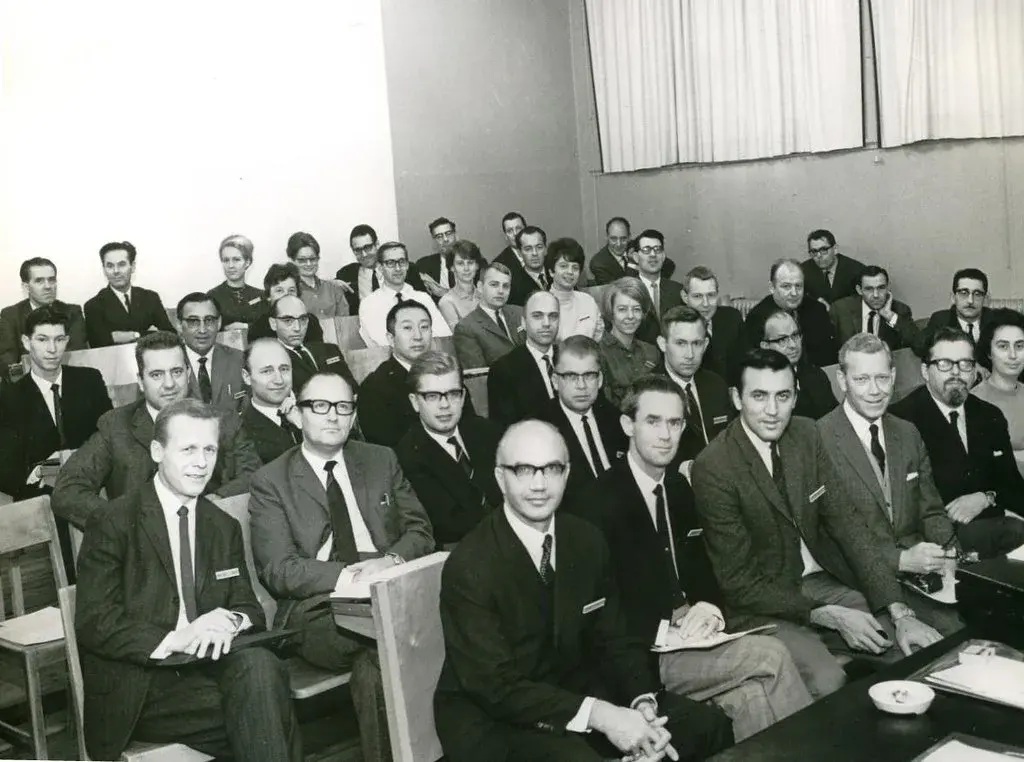
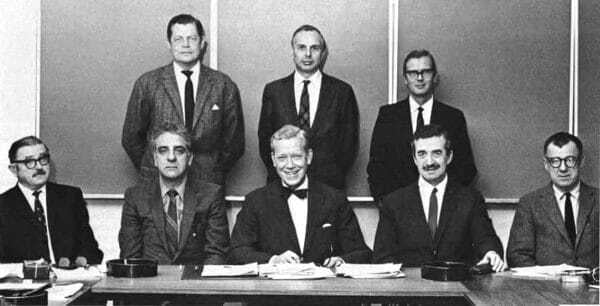
The story of ISPO begins in the late 1960s, when advances in prosthetic and orthotic technology were rapidly emerging but professional standards, education, and international cooperation were still fragmented. Recognizing the need for a unified global platform, a group of pioneering experts from Europe, North America, and Asia came together to create a society that would bridge these gaps.

In 1970, the International Society for Prosthetics and Orthotics was officially founded in Copenhagen, Denmark. The founders envisioned an organization that would integrate medicine, engineering, and rehabilitation sciences, and promote the exchange of knowledge across borders. ISPO quickly established itself as a neutral, interdisciplinary body—open to all professionals involved in the design, fitting, and use of prosthetic and orthotic devices.
Growth and Global Reach (1980s–1990s)
The 1980s marked a period of expansion and recognition. ISPO launched its first World Congress in 1974 in Copenhagen, setting a precedent for the largest international gathering of prosthetics and orthotics professionals. These congresses became the cornerstone of ISPO’s identity, offering a space for innovation, research dissemination, and cross-cultural collaboration.
During this period, ISPO also developed educational standards and guidelines that shaped how prosthetics and orthotics were taught around the world. The ISPO Education Standards, established in collaboration with the World Health Organization (WHO), became the benchmark for training and professional certification, ensuring consistent quality of care and competency worldwide.
By the 1990s, ISPO had established national member societies in more than 40 countries and became a critical voice in global rehabilitation policy.

Partnership with the World Health Organization (2000s)
In the early 2000s, ISPO entered a formal partnership with the World Health Organization (WHO) to strengthen the development of assistive technology services and workforce training globally. Together, they produced landmark publications such as the WHO-ISPO Standards for Prosthetics and Orthotics (2017), which set out comprehensive guidance on service delivery, device quality, and patient-centered care.
This collaboration solidified ISPO’s reputation as a global authority on prosthetics, orthotics, and rehabilitation systems. The society’s influence began extending beyond clinical practice into policy, advocacy, and humanitarian response—especially in post-conflict and disaster-affected regions where access to assistive devices is often limited.
A Global Community: Over 100 Countries Strong (2010s–Present)
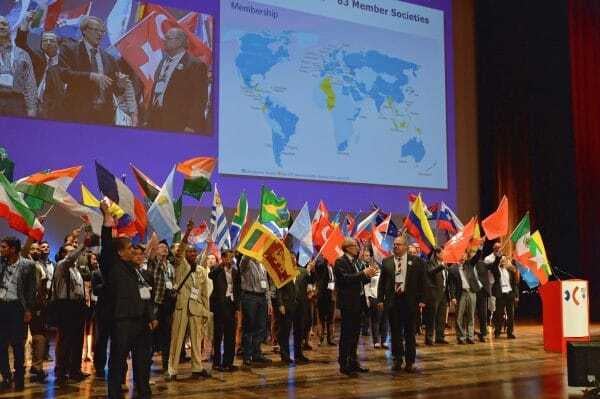
Today, ISPO is active in over 100 countries, representing thousands of members across disciplines including orthotists, prosthetists, physiatrists, rehabilitation engineers, therapists, educators, and researchers. Its World Congress continues to serve as the most significant event in the field, fostering innovation and collaboration between academia, industry, and clinical practice.
ISPO also promotes continuous professional development, research dissemination through its flagship journal Prosthetics and Orthotics International, and a growing network of regional and national member societies — from ISPO India to ISPO Saudi Arabia, ISPO Nigeria, ISPO South Africa, and beyond.
Shaping the Future of Assistive Technology
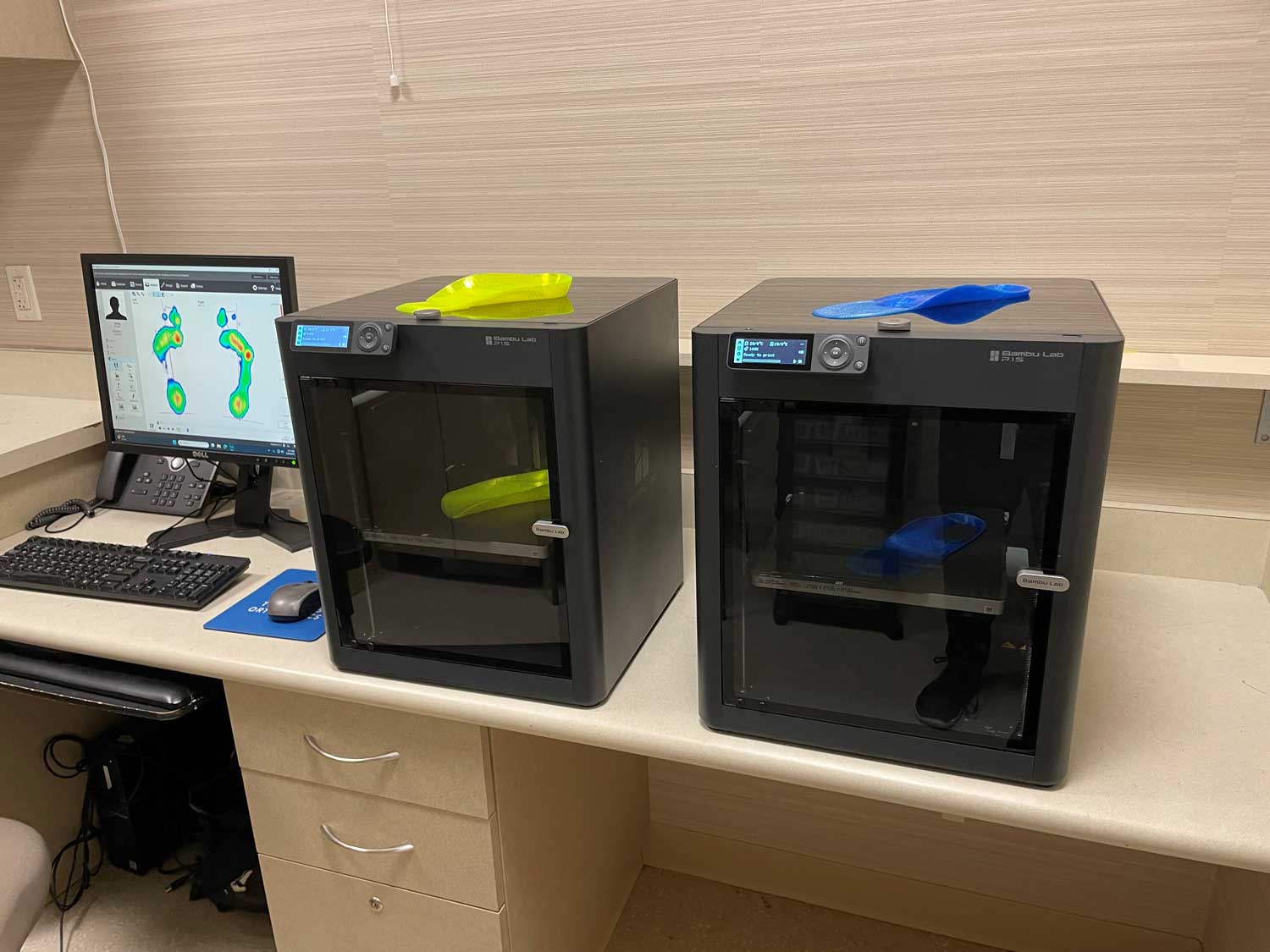
As technology advances — from 3D printing and digital scanning to smart materials and artificial intelligence — ISPO remains committed to guiding how these innovations serve humanity. Its focus on translating innovation into impact ensures that new technologies are accessible, ethical, and aligned with the needs of users in both high-income and resource-limited settings.
Looking ahead, ISPO’s mission continues to evolve:
-
To strengthen education and professional standards worldwide.
-
To expand access to prosthetic and orthotic services for those in need.
-
To foster collaboration between governments, universities, and industry.
-
And above all, to ensure that mobility is recognized as a fundamental human right.
A Legacy of Humanity and Innovation
From its founding in Copenhagen in 1970 to its global leadership today, the International Society for Prosthetics and Orthotics has transformed how the world thinks about mobility, rehabilitation, and inclusion. It has proven that science and compassion can move in step — turning disability into possibility, and possibility into progress.
As ISPO moves into its next half-century, it remains a powerful force in global health — reminding the world that when we restore movement, we restore hope.




.jpeg)

-1.png "Gaza Fund (1)-1")