 By
By
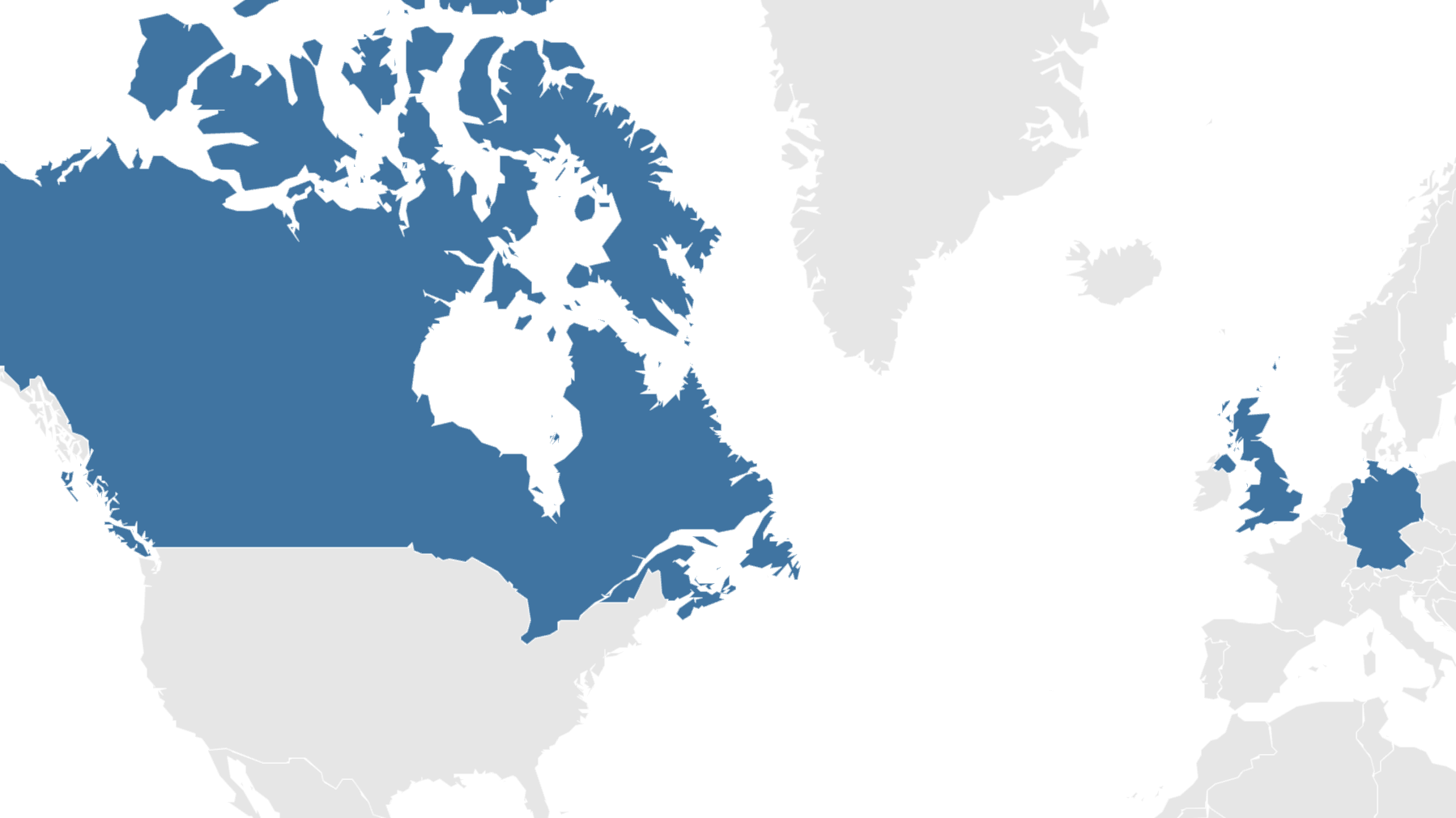
Although the need for orthotic and prosthetic (O&P) care exists everywhere, how that care is described, understood, and delivered varies considerably from one country to another — even among high-resource healthcare systems. To explore these differences and what they might mean for improving care worldwide, The O&P EDGE spoke with O&P leaders in Canada, the United Kingdom, and Germany to understand how each country’s standards and care models shape professional practice and communication in the field.
In Canada, O&P professionals historically faced a fragmented landscape in which multiple insurers, provincial programs, and social service systems each used different coding systems to identify reimbursable services. To unify this patchwork, the profession developed the Compendium of Prosthetic and Orthotic Treatment (CPOT) — a national reference document that defines and standardizes terminology and treatment steps for O&P care. The goal was not to create a price list, but to establish consistent language and procedural definitions that support quality care, better documentation, clearer communication among clinicians, and more informed conversations with insurers and other stakeholders. Over time, the CPOT has also become a resource for education, credentialing, and research within Canadian O&P practice.
Germany has taken a similar path, developing a Quality Standard compendium that outlines evidence-based pathways for prosthetic treatment in lower-limb care and plans to expand this approach across multiple treatment areas. The German standards group applies a structured system — including a “traffic light” model to indicate recommended, optional, or outdated procedures — creating a practical framework for clinicians and insurers alike. The aim is to contextualize prosthetic treatment within a complete, quality-focused care pathway rather than focusing narrowly on devices or technology.
In the United Kingdom, O&P clinical services are delivered through the National Health Service (NHS) and private care. Patients typically enter care via referral from a general practitioner, with multidisciplinary teams including prosthetists, therapists, and consultants collaborating to deliver rehabilitation services. Rather than relying on a national compendium, care in the UK is governed by evidence-based practice, professional development, and internal guidelines shaped by clinical outcomes and research. While NHS services provide broad access, limitations in funding and resource allocation can affect waiting times and the range of devices offered. Advanced technologies developed in the private sector, such as multi-grip prosthetic hands, may enter public practice more slowly due to rigorous evaluation processes required for NHS adoption.
Despite these differences in structure and terminology, professionals in all three countries share a common goal: improving the quality, accessibility, and outcomes of O&P care. Developing shared language and standards — whether through national compendia, evidence-based guidelines, or multidisciplinary clinical frameworks — helps strengthen the profession’s voice with payers, allied health providers, and policymakers. Ultimately, better communication across borders and systems enhances understanding of O&P roles, supports patient-centered care, and fosters continued advancement in the field around the world.