 By
By
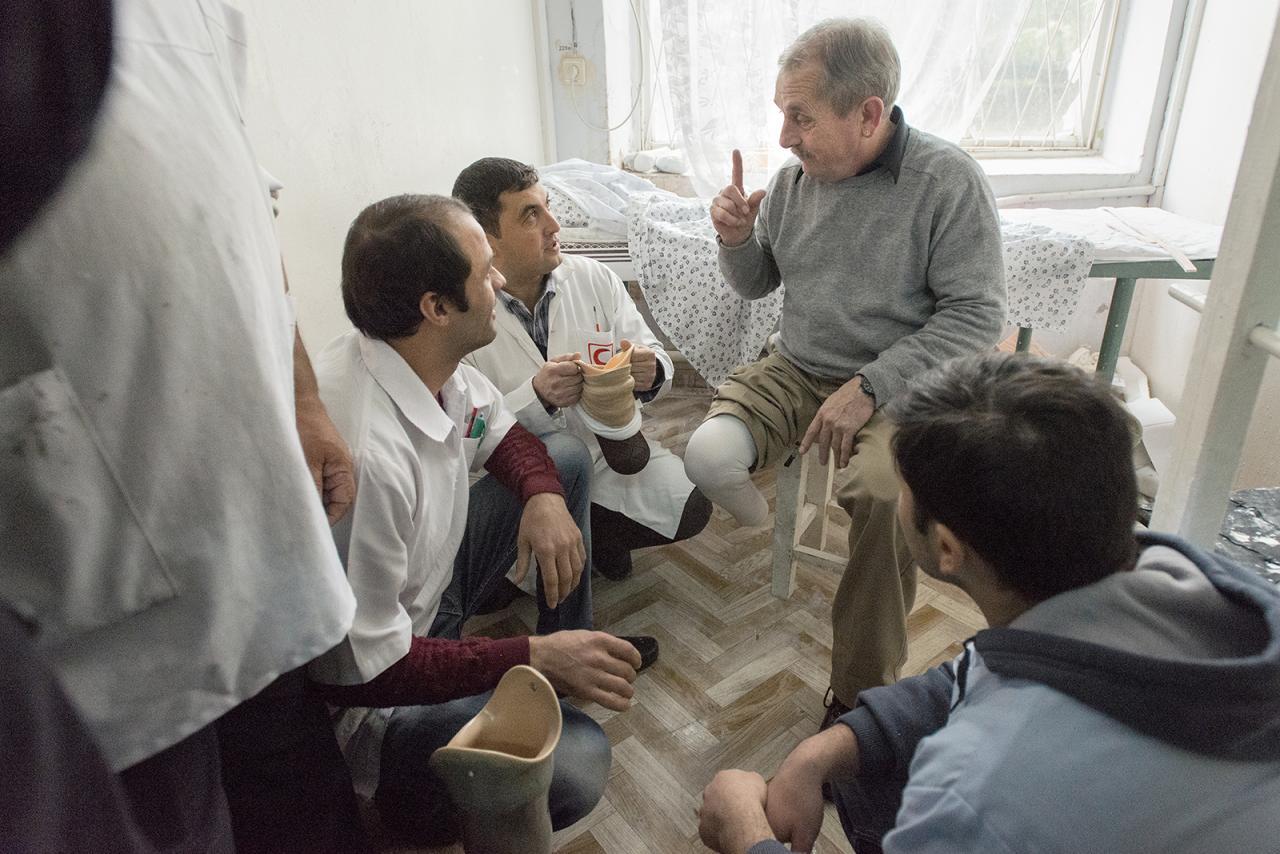
Tajikistan’s orthotics and prosthetics (O&P) sector is defined by a highly centralised public delivery model, with most publicly funded prosthetic, orthotic, and assistive product provision routed through the State Enterprise Orthotics and Prosthetics Plant (SEOP)—also known as the National Orthopaedic Centre (NOC) in Dushanbe. WHO’s situational analysis notes that NOC is effectively the only prosthetics and orthotics provider in the country, supported by satellite branches in key regions.
Demand is driven by a growing non-communicable disease burden (especially diabetes and cardiovascular disease/stroke), trauma, and long-term mobility impairment—while national reforms increasingly focus on how assistive technology is financed, procured, and maintained across urban and remote populations.
Prevalence & demand drivers (key statistics)
Diabetes
Diabetes is a major long-term driver of foot complications, ulcer risk, and (in advanced cases) amputation—fueling demand for protective footwear, offloading orthoses, and prosthetic services. IDF Diabetes Atlas estimates for Tajikistan:
- ~383,500 adults (20–79) living with diabetes in 2024
- projected ~670,400 by 2050
Stroke & cardiovascular disease
Cardiovascular diseases are repeatedly identified as a dominant contributor to mortality and disability in Tajikistan, with stroke a key component—driving demand for AFOs/KAFOs, upper-limb supports, mobility aids, and long-term neurorehabilitation.
Persons with disabilities
Tajikistan has a substantial population receiving disability support—Asia Plus reported 170,417 people receiving disability pensions as of 1 October 2025, underscoring the scale of long-term functional needs that commonly require assistive devices and rehabilitation.
Amputations & mobility impairment
National consolidated totals for amputees are not consistently published publicly, but Tajikistan’s system structure—and the strong diabetes/CVD burden—signals sustained need for prostheses, orthoses, and repair/maintenance capacity.
Tajikistan O&P system snapshot
Tajikistan’s publicly funded O&P provision is centralised under SEOP/NOC, which is responsible for procurement, production, and distribution of publicly funded assistive products—supported by regional satellites.
This has enabled a national backbone for access, but also creates pressure points around regional reach, follow-up, and repairs, particularly for rural and mountainous areas.
Recent efforts to strengthen the broader assistive technology (AT) system include national action planning and financing reform work aimed at improving affordability and integration across health and social protection systems.
Top orthotic & prosthetic service providers in Tajikistan
1) National Orthopaedic Centre (NOC) / State Enterprise Orthotics & Prosthetics Plant (SEOP) – Dushanbe (public)
The core national provider for prosthetics and orthotics, historically originating from an orthopaedic shoe manufacturing base and now functioning as the central hub for publicly funded provision.
2) SEOP/NOC regional branches (public)
Government listings and sector reporting describe satellite branches in:
- Khujand (north)
- Kulob/Kulyab (south)
- Khorog (GBAO)
3) Rehabilitation/assistive technology “one-stop shop” initiatives (system strengthening)
ATscale/WHO programming has supported integrated service approaches (“one-stop shops”) and strategy refresh work linked to the national centre—relevant to improving patient pathways, assessment, and access.
(Private hospitals and clinics in Dushanbe may advertise orthotics/prosthetics among broader orthopaedics/rehabilitation services, but publicly verifiable evidence of full fabrication capability is limited compared with the state SEOP/NOC network.)
Reimbursement & access: how it works (and where it’s heading)
1) Centralised public provision (dominant model)
Publicly funded prostheses/orthoses and other assistive products are commonly provided free through NOC/SEOP and its satellites, with the national centre playing a key role in distribution of publicly funded assistive products.
2) Financing reform agenda (moving toward more sustainable coverage)
In late 2025, WHO/Europe published a dedicated report on assistive technology financing in Tajikistan, explicitly focused on identifying sustainable and equitable financing approaches and supporting progress toward UHC-aligned AT coverage as part of national planning.
Practical implication: reimbursement is currently largely state-provided/centrally managed rather than insurance-style reimbursement, but policy direction is increasingly oriented toward clearer benefit design, affordability, and better integration across health and social protection systems.
Key challenges
- Centralisation vs. continuity: travel distance, repeat visits, adjustments, and repair cycles can be difficult outside major centres.
- NCD-driven demand growth: diabetes and CVD/stroke trends are likely to increase device volumes and follow-up needs over time.
- Financing sustainability: ensuring predictable funding not just for initial provision, but also for repairs, replacements, and long-term rehabilitation.
Growth opportunities (what comes next)
- Diabetic foot & limb-loss prevention pathways: screening, early offloading, protective footwear and referral protocols to reduce avoidable amputations.
- Regional repair & maintenance networks: strengthen satellite capacity and rapid repair logistics to reduce downtime.
- Workforce and service integration: continue “one-stop shop” models and multidisciplinary pathways (orthotics/prosthetics + physio + clinical follow-up).
- AT financing improvements: translate financing recommendations into measurable increases in coverage, affordability, and device availability.
IMEA CPO outlook
Tajikistan has a clear national backbone for O&P through SEOP/NOC and its regional branches, which provides a foundation for equitable access—yet also concentrates pressure on follow-up and regional continuity. With diabetes projected to rise from ~383,500 adults (20–79) in 2024 toward ~670,400 by 2050, and with a strong CVD/stroke disability burden, the next gains will come from prevention (diabetic foot), decentralised servicing/repairs, and a stronger financing model that supports long-term outcomes—not just initial device delivery.