 By
By
Serious trauma survivors face long rehabilitation journeys, highlighting growing demand for orthotics, prosthetics, and long-term care
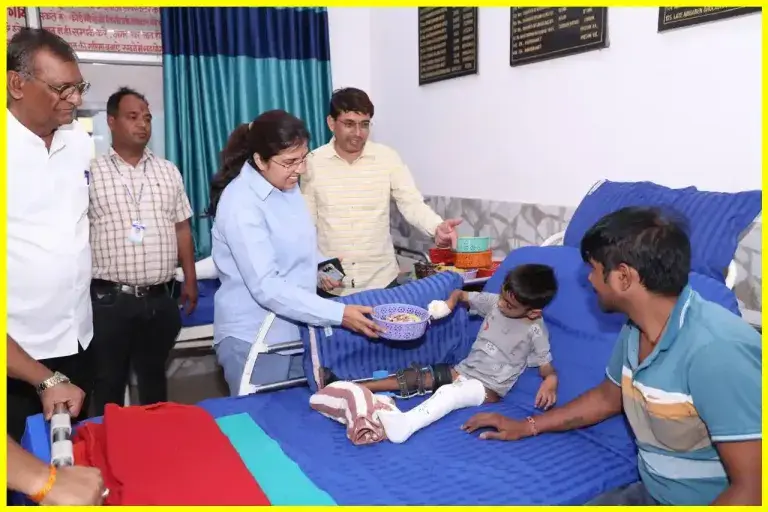
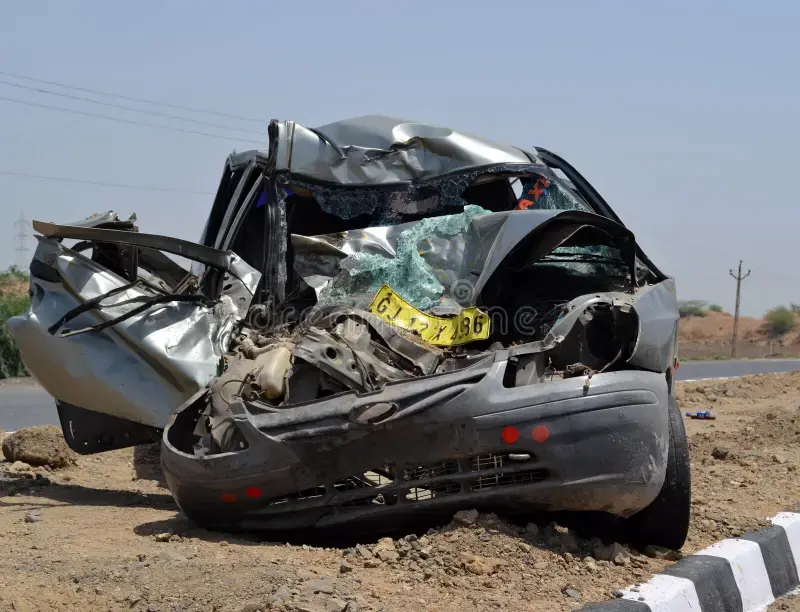
Road traffic accidents in India continue to be discussed mainly in terms of fatalities, but new analysis shows that the number of people surviving with severe injuries is far higher than commonly recognised. These injuries often include amputations, spinal cord damage, and traumatic brain injuries, creating long-term rehabilitation needs that place pressure on families, health systems, and prosthetic services.
According to official data, reported road crash injuries in India increased to more than 462,000 cases in 2023, with an estimated one-third classified as serious or grievous injuries. Experts say these figures likely underestimate the real scale of trauma because national statistics rely heavily on police reports, which often do not capture the full medical severity of injuries.
Serious injuries recorded under broad categories such as “grievous injury” may include amputations, complex fractures, and spinal trauma, but detailed clinical data are rarely available. The absence of a nationwide trauma registry means there is limited information about how many patients require long-term rehabilitation, orthotic support, or prosthetic fitting after accidents.
India already has one of the highest burdens of road traffic injury in the world, with hundreds of thousands of accidents reported each year and more than 150,000 deaths annually. Survivors often face years of medical treatment, repeated surgery, and loss of income, creating significant economic and social consequences for families.
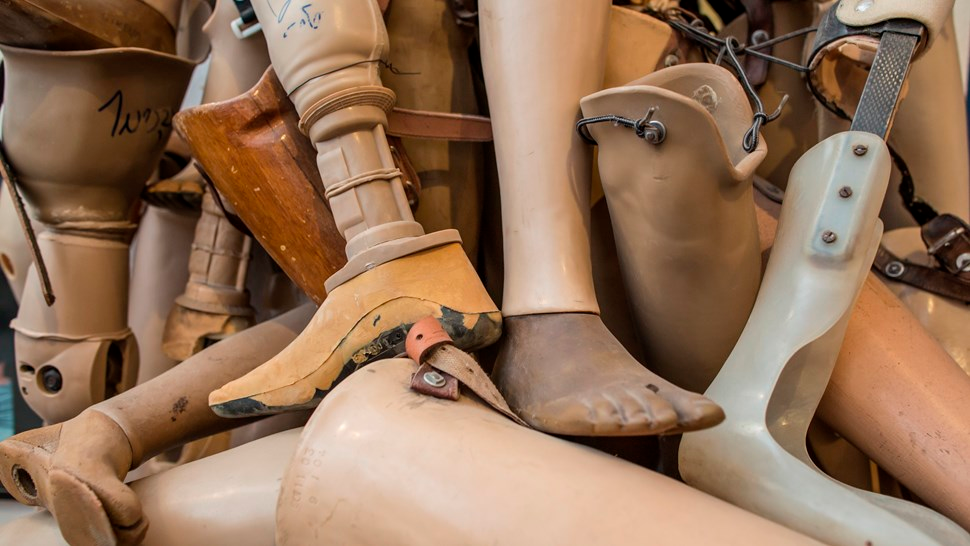
For the rehabilitation sector, the impact of non-fatal injuries is particularly important. Patients who survive serious crashes frequently require long-term physiotherapy, orthotic devices, prosthetic limbs, or mobility aids. However, access to structured rehabilitation services remains uneven across India, especially outside major urban centres.
Two-wheeler riders, pedestrians, and delivery workers are among the most vulnerable road users, and a large proportion of injuries occur on ordinary roads rather than highways. Experts also note that improved digital reporting systems are beginning to reveal cases that previously went unrecorded, meaning the number of serious injuries may continue to rise in official statistics.
For the orthotics and prosthetics community, the growing number of road injury survivors represents both a challenge and an opportunity. Increased demand for prosthetic limbs, spinal orthoses, and rehabilitation services highlights the need for stronger integration between trauma care, rehabilitation medicine, and O&P services.
As India continues to expand its road network and vehicle use increases, the long-term burden of disability caused by road accidents is expected to grow. Strengthening trauma data systems, rehabilitation pathways, and prosthetic services will be essential to ensure that survivors are not left to face years of disability without adequate support.