 By
By
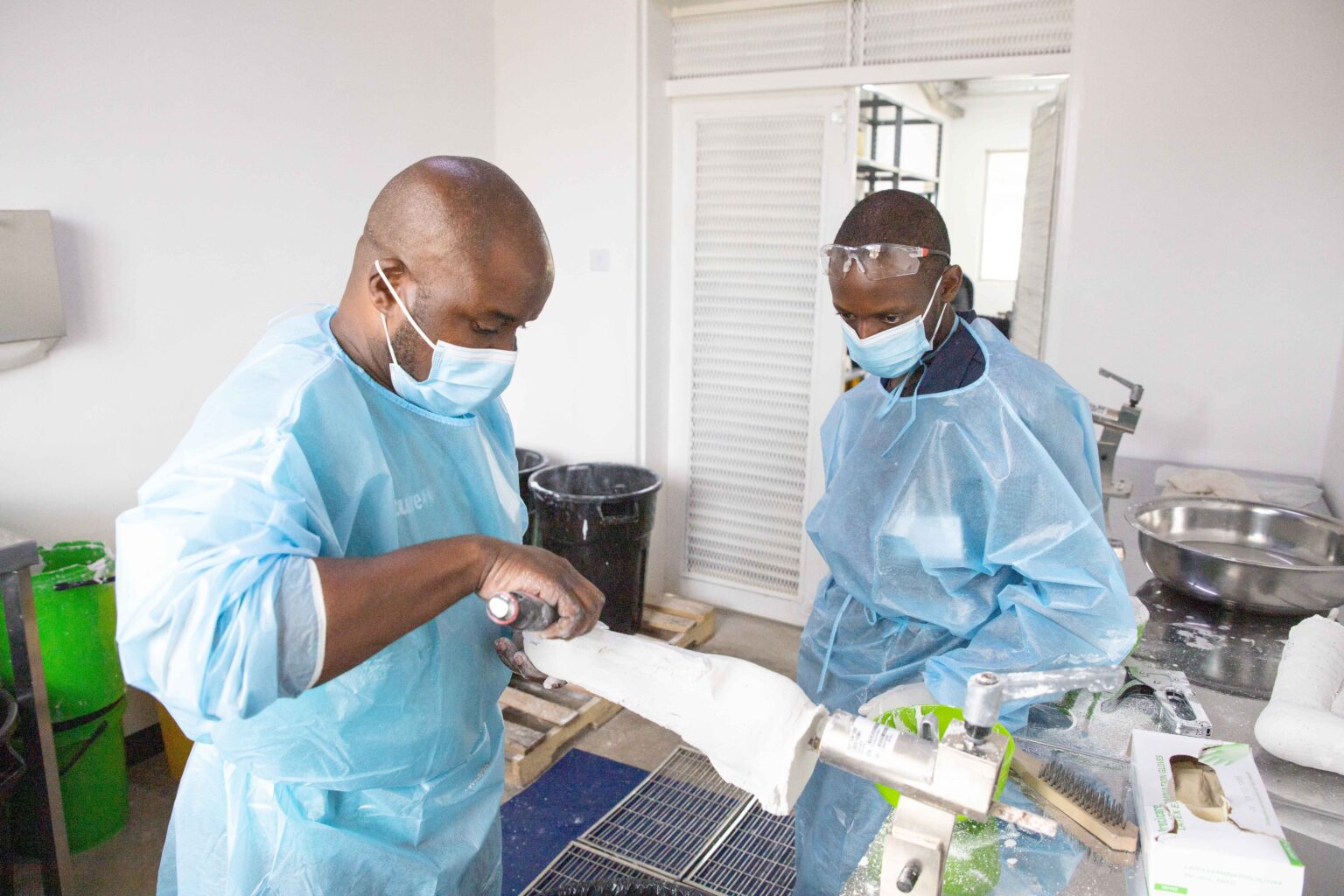
The CURE Children’s Hospital of Zimbabwe has taken an important step forward in strengthening rehabilitation services with the continued development of its Prosthetics and Orthotics (P&O) department, reinforcing the hospital’s mission to restore mobility and independence for children living with physical disabilities.
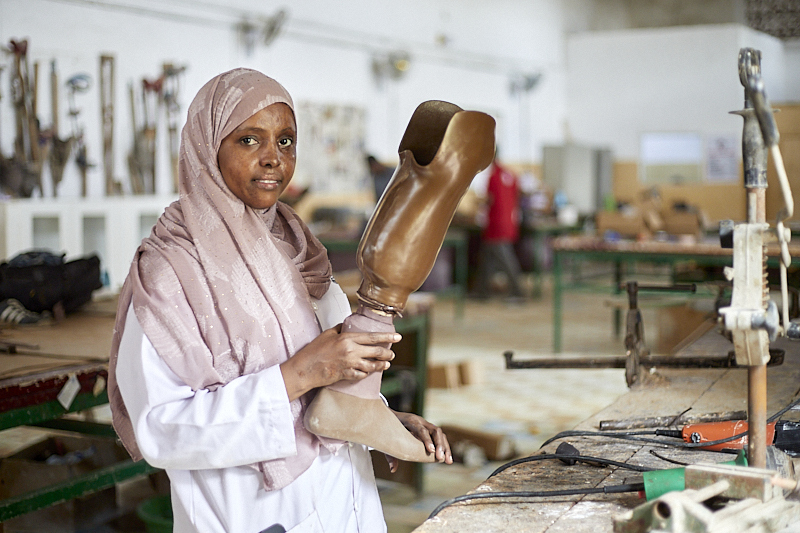
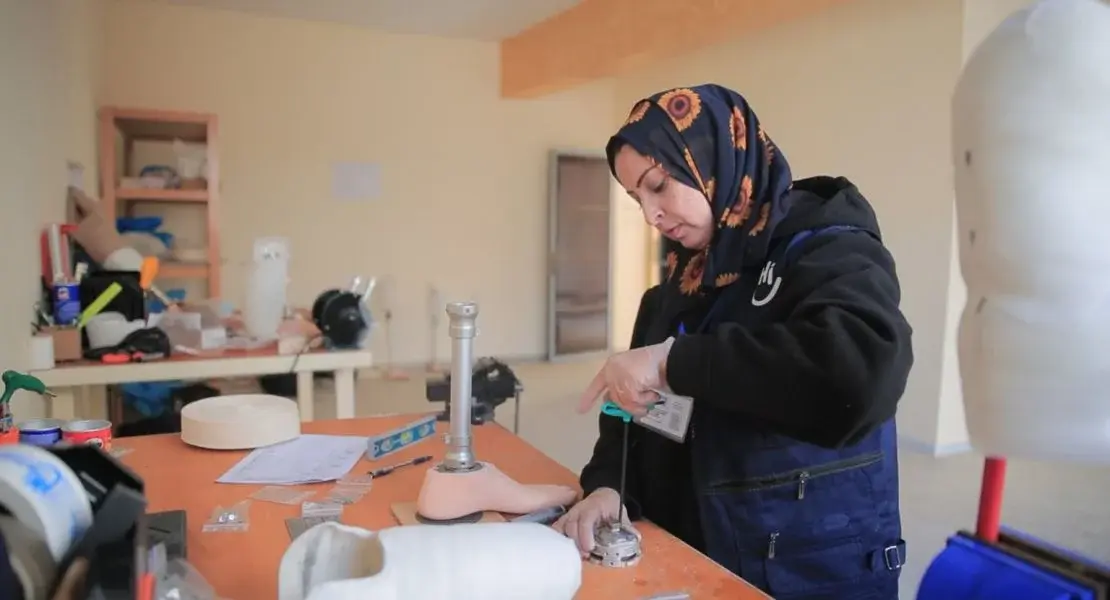
Since the establishment of the in-house P&O workshop, the team has already begun delivering custom orthotic and prosthetic devices, supporting surgical outcomes and improving long-term rehabilitation for patients. The department is led by Prosthetics & Orthotics Manager Dumisani Ndlovu, working alongside his assistant, as the unit steadily grows into a key component of the hospital’s multidisciplinary care model.
Having the workshop located within the hospital has significantly improved collaboration between surgeons, rehabilitation staff, and orthotists. This integrated approach allows faster device delivery, closer clinical supervision, and better functional outcomes for children recovering from orthopedic procedures. According to the clinical team, the ability to design, fabricate, and fit devices on-site reduces waiting times and enables more responsive patient care.
One of the early beneficiaries of the new service was a young patient fitted with a custom prosthetic limb, allowing him to return to everyday activities, including sport, with greater confidence and durability than with his previous device. Cases such as this demonstrate the importance of local fabrication capacity, particularly in countries where access to prosthetic and orthotic services remains limited.
CURE Zimbabwe, which opened in 2021 as the country’s first dedicated pediatric orthopedic hospital, provides surgical and rehabilitation care to children regardless of financial background. The addition of a fully functioning P&O unit strengthens the hospital’s ability to deliver complete, end-to-end treatment — from surgery to rehabilitation and long-term mobility support.
As the department continues to develop, the hospital aims to expand its capacity, train local professionals, and ensure that children across Zimbabwe can receive timely access to high-quality prosthetic and orthotic care. The growing service is expected to play a central role in improving functional outcomes, reducing disability-related barriers, and helping more children return to school, family life, and community participation.
The progress seen in Zimbabwe reflects a broader trend across low- and middle-income countries, where investment in local P&O workshops is increasingly recognised as essential to sustainable rehabilitation systems. By building in-country expertise and manufacturing capability, hospitals such as CURE Zimbabwe are not only restoring mobility — they are shaping the future of rehabilitation care.