 By
By
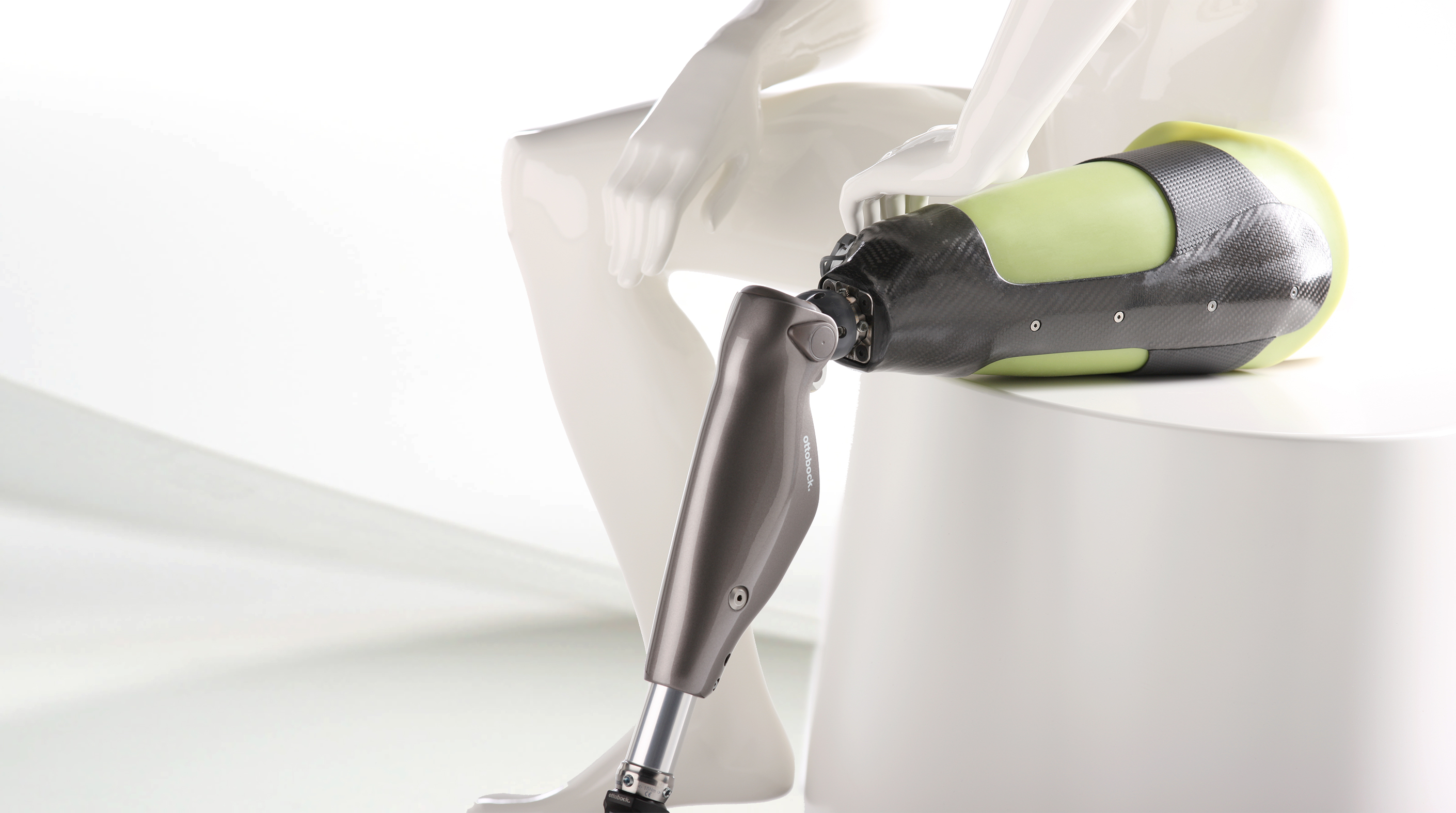
Ottobock has used World Intellectual Property Day to underline the scale of its innovation activity across prosthetics, neuro-orthotics and exoskeletons, reporting 2,110 patents, 22 first filings and 639 patent families in 2025. The announcement, published on 23 April 2026, positions intellectual property not simply as a legal asset, but as a central part of Ottobock’s research, product development and long-term medtech strategy.
For the orthotic and prosthetic profession, the figures point to a broader trend: advanced mobility devices are increasingly being shaped by the convergence of biomechanics, embedded sensors, robotics, materials science and algorithm-driven control. Ottobock said its patent activity is concentrated in three core areas: prosthetics, neuro-orthotics and exoskeletons.
According to Arne Jörn, Ottobock’s Chief Technology Officer, patents represent more than an administrative process. They reflect the company’s ambition to remain ahead of technological standards in medtech by developing systems that map biomechanical processes while becoming more intelligent, adaptive and reliable.
Why This Matters for O&P Clinicians and Technicians
For prosthetists, orthotists and technicians, the announcement is significant because it shows where global investment in O&P technology is heading. Modern devices are no longer defined only by mechanical alignment, component selection or material durability. Increasingly, clinical performance is being shaped by intelligent control systems that interpret user movement, adapt to changing environments and support safer, more natural mobility.
Ottobock’s stated focus on mechanics, sensors and algorithmic control reflects this shift. In prosthetics and orthotics, these technologies are helping devices respond more effectively to walking, sitting, cycling, stair climbing and other real-world movement patterns. In exoskeletons, similar innovation is being applied to force distribution and assistance in varying work and rehabilitation environments.
A Patent Focused on Faster Human–Machine Interaction
One example highlighted by Ottobock is US 12,494,278 B2, a patent covering a method designed to improve control of microprocessor-controlled leg prostheses and orthoses. The system uses device-based sensors to record movement, position and force data, which are then interpreted by an algorithm to identify the user’s intended activity.
This type of innovation is clinically important because faster and more accurate interpretation of user intent can support smoother transitions between activities. For patients, the potential benefits include improved comfort, safety and confidence. For clinicians, it reinforces the importance of understanding not only device fitting and alignment, but also the digital control logic behind modern prosthetic and orthotic systems.
Intellectual Property as a Strategic Advantage
Ottobock also framed intellectual property as a core business tool. Patents create legal protection for research and development, support long-term investment decisions and help define a company’s leadership position in the market.
This is especially relevant in the current O&P landscape, where large manufacturers, digital workflow companies, additive manufacturing specialists and AI-driven design platforms are all competing to shape the future of clinical practice. Strong IP portfolios can influence which technologies reach market, how they are licensed, and how quickly advanced solutions become available to clinicians and patients across different regions.
Global Context
Founded in Berlin in 1919, Ottobock now operates in 45 countries and has nearly 9,300 full-time employees. The company also reports around 400 patient care centres worldwide and more than 2,600 patents and patent applications across its broader portfolio.
The announcement comes after Ottobock’s 2025 listing on the Frankfurt Stock Exchange, which valued the company at around €4.2 billion at the offer price and marked one of Germany’s largest IPOs in recent years.
IMEA CPO Perspective
For the IMEA region, Ottobock’s patent announcement should be read as more than a corporate milestone. It is a signal that the future of O&P service delivery will depend on the ability of clinicians, technicians, educators and distributors to understand intelligent device ecosystems.
As prosthetics, orthotics and exoskeletons become more software-enabled, the profession will need stronger training in digital assessment, sensor-based function, microprocessor systems, data-driven adjustment and interdisciplinary collaboration. This has implications for universities, rehabilitation centres, private clinics, humanitarian providers and government programmes across the Middle East, India and Africa.
Innovation leadership at the manufacturer level is important. But the real measure of progress will be whether these technologies can be translated into better access, better outcomes and more sustainable clinical services for patients across diverse economic and healthcare settings.