 By
By
From Manual Craftsmanship to Digital Precision
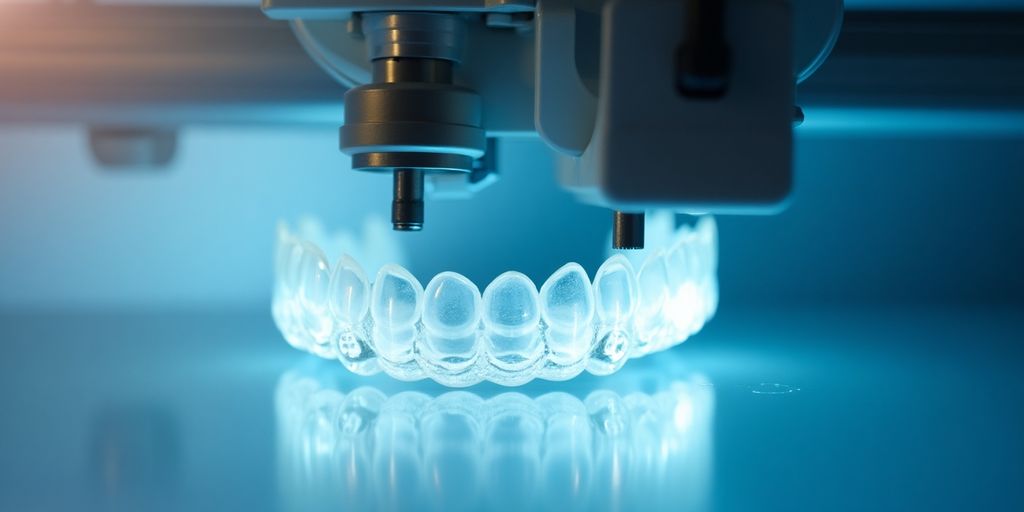
Over the past 25 years, the dental industry has undergone a complete digital revolution — evolving from a craft-based trade into one of the most technologically advanced manufacturing sectors in healthcare. What began as early experiments in intraoral scanning and chairside milling has now become a global standard of care. Today, nearly every major dental laboratory and clinic uses digital scanning, CAD/CAM design, and 3D printing in their workflow.
The orthotic and prosthetic (O&P) profession — which shares many parallels with dentistry in terms of custom fabrication, patient fit, and iterative design — now stands at a similar turning point. By studying how dentistry embraced digitization, the O&P community can accelerate its own adoption curve and avoid many of the early challenges dental professionals once faced.
Lesson 1: Start with Digital Capture
In the early 2000s, dental scanning was limited, expensive, and sometimes inaccurate. However, the industry recognized one core truth: the digital scan is the foundation of every future process. As intraoral scanners became smaller, faster, and more precise, adoption skyrocketed — not because the technology was perfect, but because it saved time, eliminated plaster models, and improved consistency.
O&P can take the same approach. Modern 3D body scanners, structured-light systems, and mobile scanning apps are now affordable and clinic-ready. Transitioning to digital capture not only reduces material waste and storage costs but also creates a reusable digital record of every patient — a vital resource for long-term care, re-fabrication, and comparative assessment.
Lesson 2: CAD Is the Bridge Between Art and Automation
Dental professionals didn’t lose their artistry — they amplified it through CAD software. Designing crowns, bridges, and implants became faster, more accurate, and easier to replicate. The key was intuitive, dental-specific CAD tools that respected clinical workflows while enabling precision.
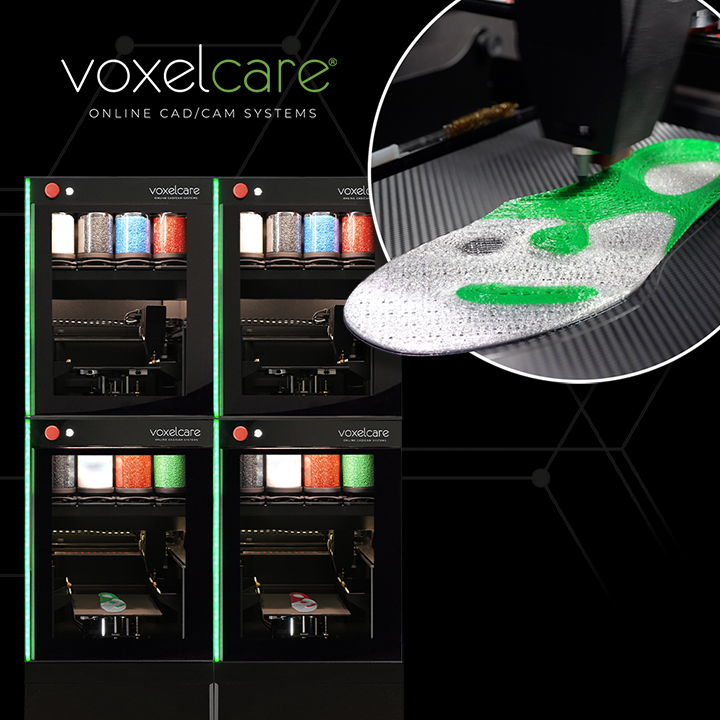
In orthotics and prosthetics, the same principle applies. CAD platforms such as Voxelcare, Qwadra, and Qaadir Prime are building intuitive interfaces where technicians sculpt, adjust, and model devices digitally — preserving their clinical expertise while automating repetitive or low-value tasks. This bridge between artisan and algorithm is the heart of digital progress.
Lesson 3: 3D Printing Is an Enabler, Not a Replacement
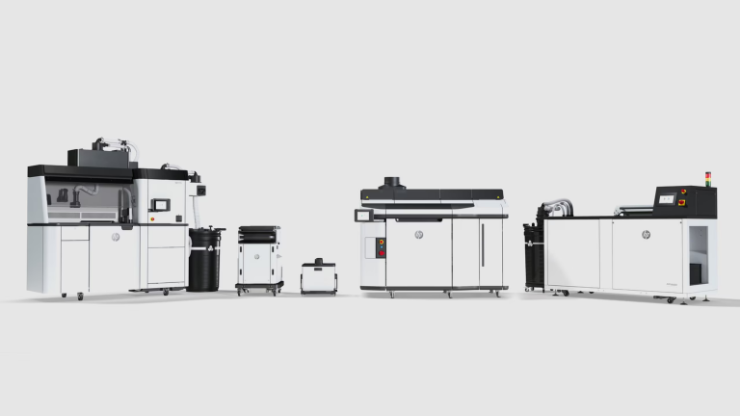
In dentistry, the shift from milling to 3D printing didn’t replace technicians — it gave them more freedom. Labs could now produce multiple designs overnight, prototype new geometries, and iterate on complex forms without retooling. The same will happen in O&P.
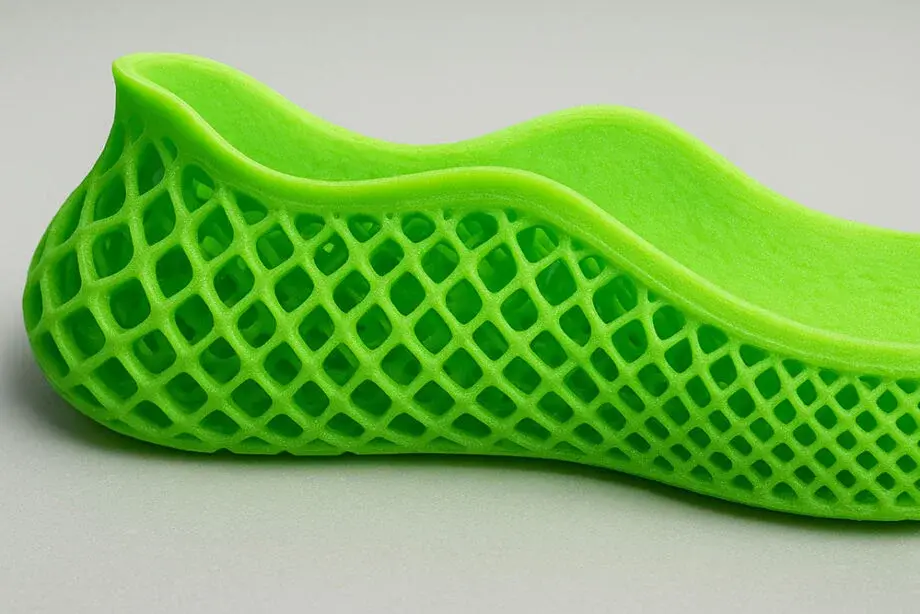
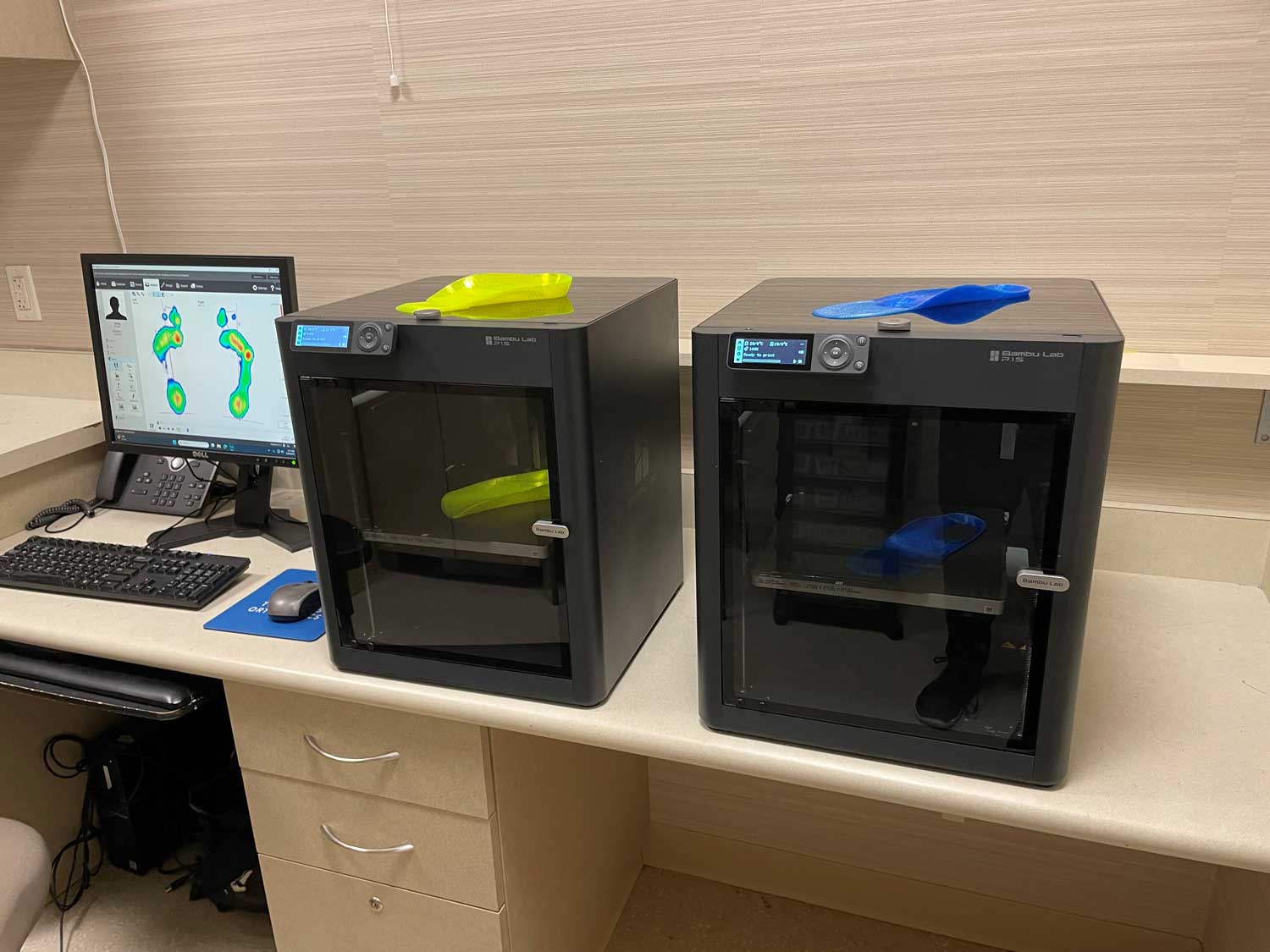
The O&P market is uniquely suited to 3D printing because every device is custom, geometry is patient-specific, and materials (like nylon, TPU, or PP) are advancing rapidly. By investing in 3D printing not as a novelty but as a core production technology, clinics can deliver faster turnaround, reduce dependency on central fabrication, and create localized, scalable services.
Lesson 4: Workflow Integration Is the Real Value
The dental sector’s biggest leap wasn’t just in hardware — it was in digital workflow integration. Scanners, CAD systems, and printers began to “speak” to one another through unified software ecosystems. This interoperability turned isolated tools into a seamless digital chain.
O&P must follow suit. A workflow that connects scanning → design → simulation → fabrication → fitting eliminates data loss, manual error, and inefficiency. Interoperable ecosystems like those emerging across digital fabrication networks (e.g., Invent Medical, Voxelcare, Kimedix) will become the O&P equivalent of “chairside dentistry.”
Lesson 5: Training and Mindset Define the Winners
When digital dentistry began, many technicians resisted — fearing that computers would replace craftsmanship. Instead, those who embraced digital workflows became leaders of the next generation. They learned new tools, retrained their teams, and focused on clinical outcomes rather than old habits.
For orthotists and prosthetists, education and mindset will be the key differentiators. Training programs must evolve to include digital literacy — not just fabrication techniques. The profession must see digital tools not as threats to their skills, but as multipliers of precision, efficiency, and access to care.
Conclusion: A 25-Year Head Start
The dental market has already spent decades testing, refining, and scaling digital tools that the O&P sector can now adopt with minimal risk. The lessons are clear: start with digital scanning, embrace intuitive CAD, use 3D printing strategically, and connect every step through an integrated workflow.
By doing so, the orthotic and prosthetic community can leapfrog traditional barriers and create a future where custom care is not just clinical — but digitally intelligent, globally connected, and infinitely reproducible.
Author:
IMEA CPO Editorial Team
For more insights on digital transformation in orthotics and prosthetics, visit www.imeacpo.com.





.jpeg)

-1.png "Gaza Fund (1)-1")