 By
By
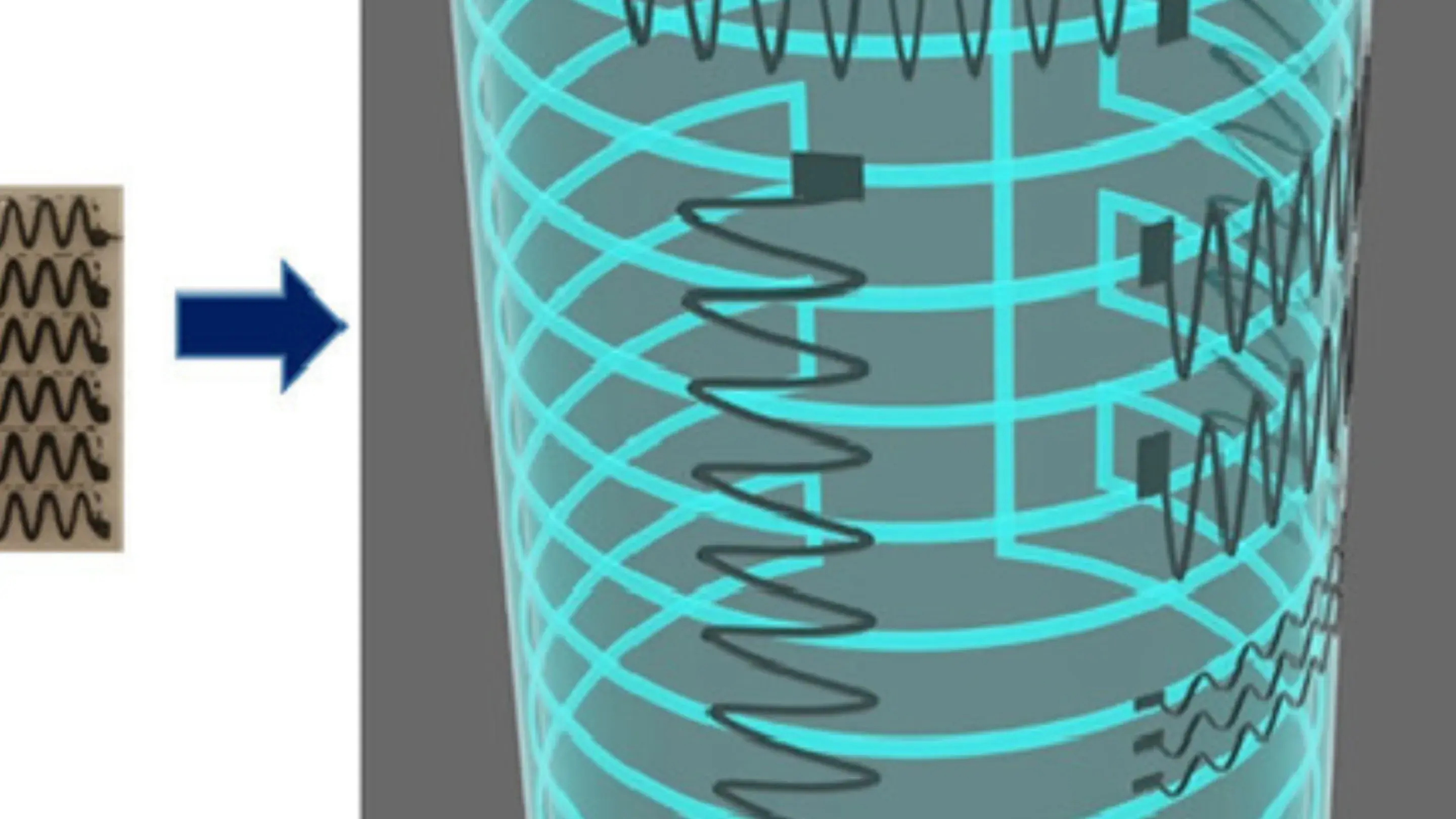
Smart prosthetic socket technologies have been discussed for years as a way to improve comfort, reduce skin complications, and bring more objective data into prosthetic fitting, yet they remain far from routine clinical use. A new article highlighted by Amplitude argues that the problem is no longer simply about inventing better sensors, but about making these systems genuinely useful within real prosthetic care pathways.
The issue is an important one for lower-limb prosthetic care. Skin-related complications remain among the most common secondary conditions after amputation, and the underlying review notes that about 63 percent of lower-limb amputees report skin issues linked to the residual limb-socket interface, including pressure ulcers and other breakdown problems. These complications can lead to repeated clinic visits, loss of prosthesis use during healing, added financial burden, and reduced confidence in the device.
According to the authors of the perspective article published in Biomedical Materials & Devices, monitoring systems for the residual limb-socket interface (RLSI) have been commercially available in some form for more than 20 years, and recent sensing technologies can measure factors such as pressure, temperature, shear, and moisture in increasingly sophisticated ways. Despite that technical progress, the authors say clinical application has remained very limited and overall real-world impact has been minimal.
One of the central reasons is that prosthetic socket fitting still depends heavily on a trial-and-error model. In everyday practice, prosthetists usually assess socket fit by having patients try a socket, describe pressure, rubbing, or discomfort, and then making modifications based on those subjective reports. That process can work, but it also relies on patients being able to detect subtle interface problems and explain them clearly, something that may be especially difficult for people with sensory impairments, neuropathy, vision limitations, or limited prosthetic experience.
The review argues that engineering research has often focused more on building new sensing systems than on answering the harder clinical questions: How should clinicians interpret the data? How does it fit into existing workflow? What decisions should change based on the measurements? And does it actually improve outcomes? Without clear answers to those questions, even advanced systems can remain stuck at prototype stage or fail to gain traction in routine practice.
The authors also point to practical adoption barriers including cost, usability, reliability, and clinical validation. They argue that clinicians and patients need monitoring outputs that are not merely technically impressive, but directly actionable in day-to-day prosthetic care. In other words, data alone is not enough; the information has to support evidence-based decision-making around socket design, fit adjustment, suspension choices, and long-term maintenance.
This is especially relevant because the socket remains the most widely available interface for connecting lower-limb prostheses, even as alternatives such as osseointegration continue to develop. The review notes that socket fit problems are still one of the main reasons users reduce or abandon prosthesis use, while better prosthetic leg use is associated with improved rehabilitation outcomes and quality of life.
For the O&P profession, the article’s message is not that smart sockets have failed, but that the field may need to shift its priorities. Rather than only asking whether a sensor can detect a variable, researchers and manufacturers may need to focus more on whether the technology helps prosthetists make better decisions, fits into busy clinic routines, reduces patient burden, and demonstrates measurable benefit over time. That conclusion is an inference drawn from the article’s repeated emphasis on workflow alignment, evidence-based procedures, and clinical translation.
Ultimately, the authors call for closer collaboration between engineers, clinicians, and patients so that future smart socket systems are designed around actual clinical needs rather than laboratory possibilities alone. If that happens, objective monitoring of the limb-socket interface could still become an important tool for preventing injury, improving comfort, and extending the functional lifespan of prosthetic devices.