 By
By
AI-driven foot measurement technology highlights growing role of digital fitting tools in footwear, orthotics, and rehabilitation
Aetrex has announced that its FitAI foot scanning and footwear recommendation platform has now delivered more than 2 million shopper recommendations across over 500 retail locations worldwide, reflecting the rapid growth of digital foot measurement technology in both retail and clinical environments.
The system is currently used by more than 100 global retailers, including brands such as ASICS, PUMA, DSW, and Fit2Run, and is designed to match a customer’s three-dimensional foot shape with the internal geometry of footwear using artificial intelligence. By combining 3D foot scans with a database of shoe measurements, the platform aims to improve fit accuracy, reduce returns, and increase customer satisfaction both in-store and online.
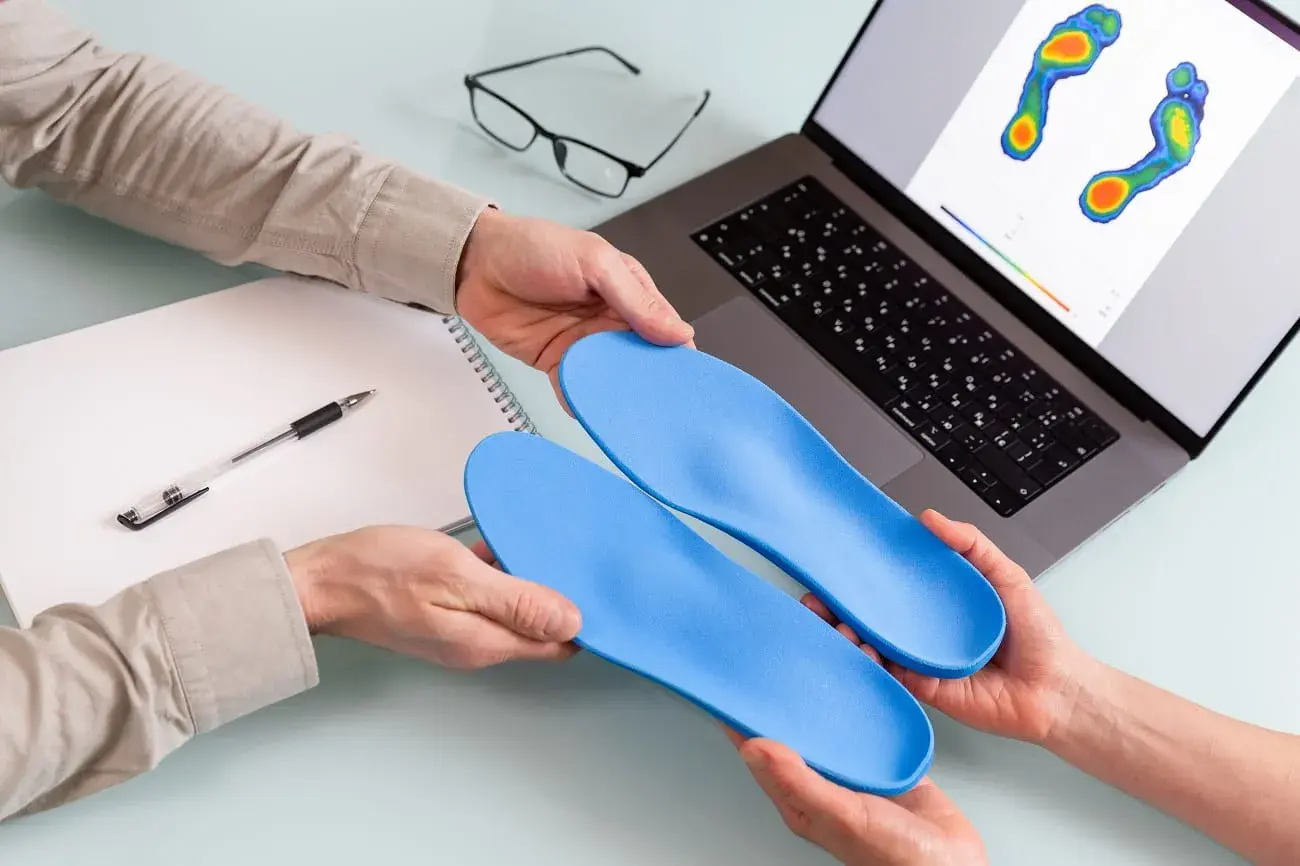
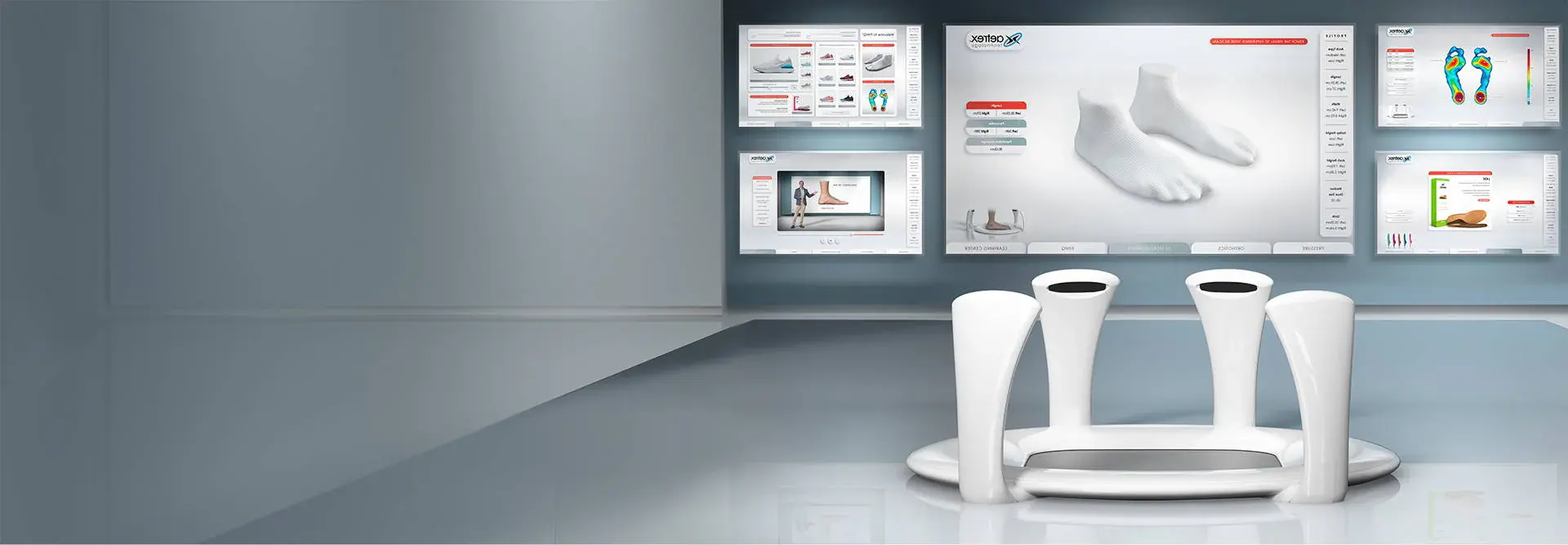
FitAI works together with Aetrex’s Albert 3D scanning technology, which captures detailed measurements of foot length, width, arch height, and pressure distribution. The data is analysed using AI software to generate personalised footwear and orthotic recommendations within seconds, allowing retailers and clinicians to provide more precise fitting solutions.
Technology overview
https://www.aetrex.com/pages/technology
According to the company, retail partners report engagement rates between 45 percent and 60 percent when customers use the scanning system, with shoppers significantly more likely to return to stores where personalised fitting tools are available. The system also allows retailers to collect anonymised data that can help improve product design and fitting accuracy over time.
Although originally developed for footwear retail, technologies such as FitAI are increasingly relevant to the orthotics and prosthetics sector. Accurate foot measurement, pressure analysis, and digital modelling are now central to modern orthotic insole design, diabetic foot care, and custom footwear production. Digital scanning systems are also becoming more common in rehabilitation clinics, where precise fit is essential to prevent pressure injury and improve mobility outcomes.
The growth of AI-based fitting tools reflects a broader shift toward data-driven care in lower-limb biomechanics. As scanning, CAD-CAM manufacturing, and 3D printing become more widely used, the boundary between retail footwear technology and clinical orthotic practice continues to narrow.
For the orthotics and prosthetics profession, the expansion of platforms such as FitAI demonstrates how digital measurement and artificial intelligence are likely to play an increasing role in future patient assessment, custom device fabrication, and preventive foot care worldwide.