 By
By
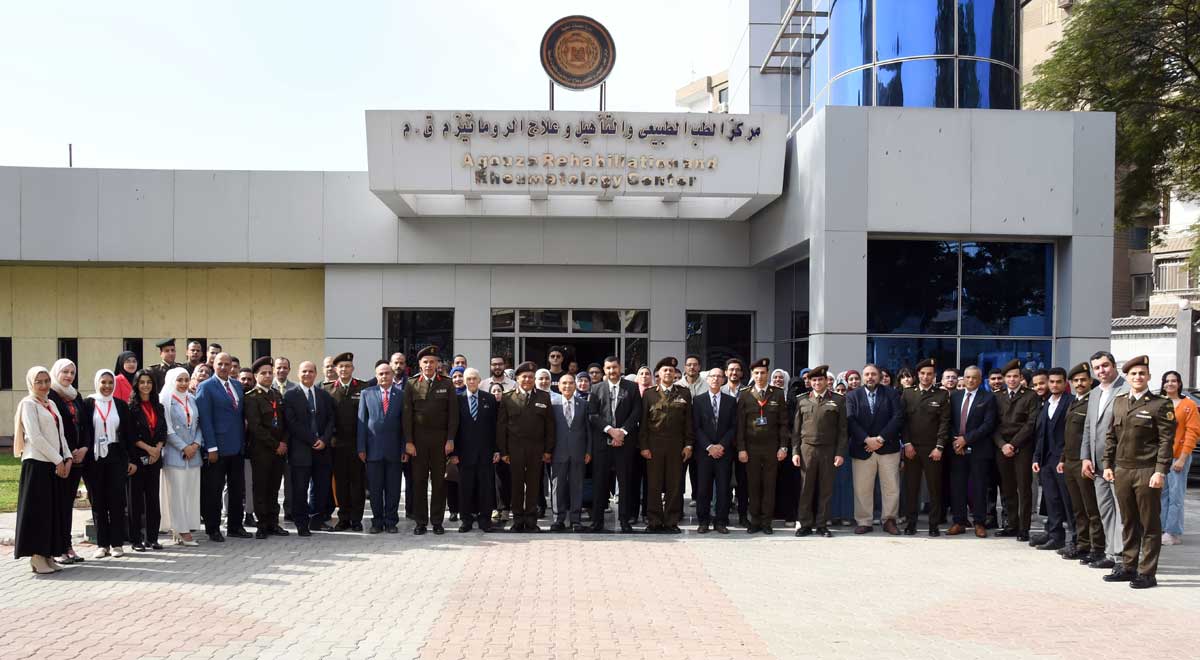
Large population, rising diabetes burden, and government investment drive growing demand for rehabilitation and assistive technology
Egypt has one of the largest orthotics and prosthetics markets in the Middle East and Africa, driven by a high population, increasing rates of diabetes and chronic disease, trauma, and long-term disability. Services are delivered through a mixed system that includes government hospitals, military rehabilitation centres, private clinics, universities, and humanitarian organisations. In recent years, the government has also announced plans to expand local manufacturing of prosthetic devices and develop Egypt as a regional hub for rehabilitation technology.
Prevalence and demand drivers (key statistics)
Diabetes
Egypt is among the countries with the highest diabetes burden globally. Estimates indicate that more than 13.2 million adults are living with diabetes, with prevalence around 22.4 percent of the adult population, creating a major risk for diabetic foot complications and amputation.
https://idf.org/our-network/regions-and-members/middle-east-and-north-africa/members/egypt/
https://diabetesatlas.org/data-by-location/country/egypt/
Persons with disabilities
Government data suggests that millions of Egyptians live with disability, with national programmes targeting more than 2.7 million people with severe disabilities for support through the Integrated Services Card system.
https://english.ahram.org.eg/NewsContentP/1/476985/Egypt/Egypt-aims-to-include--mln-citizens-with-disabilit.aspx
https://sis.gov.eg/en/egypt/society/people-of-determination-s-care/egypt-s-efforts-to-care-for-people-with-disabilities/
Trauma, war injury, and accidents
Traffic accidents, workplace injuries, and landmine injuries in western Egypt continue to generate demand for prosthetic and rehabilitation services. Government-supported prosthetic centres in areas such as Matrouh provide devices for mine victims and injured civilians.
https://moic.gov.eg/news/2368
Rehabilitation and prosthetic demand
The need for prosthetics, orthoses, and physiotherapy services continues to increase, with studies showing that socioeconomic factors strongly affect access to rehabilitation and prosthetic care.
https://pmc.ncbi.nlm.nih.gov/articles/PMC4590971/
https://www.researchgate.net/publication/380952168_Prosthetic_rehabilitation_modalities_and_their_socioeconomic_association_in_a_sample_of_adult_Egyptians
Egypt O and P system snapshot
Egypt has a relatively developed rehabilitation sector compared with many countries in the region, but access to services varies depending on income, insurance coverage, and location.
Services are provided through:
- Ministry of Health hospitals
- Armed Forces rehabilitation centres
- Ministry of Social Solidarity programmes
- Private prosthetic and orthotic clinics
- NGO and charity-funded rehabilitation centres
The government has announced plans to build an industrial complex for prosthetics and assistive technology to increase local production and reduce dependence on imports, with the goal of making Egypt a regional centre for rehabilitation technology.
https://www.emro.who.int/egy/egypt-news/who-meets-with-president-el-sisi-to-discuss-assistive-technology.html
https://english.ahram.org.eg/NewsContent/1/1236/476443/Egypt/Health/Egypt-to-start-building-industrial-complex-for-pro.aspx
In addition, national projects aim to expand prosthetic provision through public programmes and social support initiatives.
https://english.ahram.org.eg/News/550452.aspx
Top orthotic and prosthetic service providers in Egypt
1) Armed Forces Center for Physical Medicine, Rehabilitation, and Rheumatology
One of the largest government rehabilitation providers, involved in prosthetic fitting, rehabilitation, and support for injured civilians and mine victims.
https://moic.gov.eg/news/2368
2) Al-Hayah Prosthetics Clinic (Cairo)
Private clinic providing prosthetic limbs, orthotic devices, and rehabilitation services.
https://www.ebrd.com/home/news-and-events/news/2019/egyptian-alhayah-clinic-revolutionises-care-for-amputees.html
3) Al Amal Company for Prosthetics and Orthotics
Private provider offering prosthetics, orthoses, and motion analysis services.
https://alamal-community.com/
4) Egyptian Red Crescent rehabilitation services
Provides physiotherapy, rehabilitation, and assistive device support through national branches.
https://www.ifrc.org/national-societies-directory/egyptian-red-crescent-society
https://yellowpages.com.eg/en/profile/egyptian-red-crescent-center-for-physiotherapy/368041
5) NGO and charity-funded prosthetic programmes (Cure Bank, social organisations, rehabilitation centres)
Several charitable organisations provide prosthetic limbs and orthotic devices for low-income patients.
https://www.egyptiancurebank.com/en/donate/prosthetic-devices-for-adults
https://english.aawsat.com/home/article/996501/disabled-egyptians-make-prosthetic-limbs-poor
6) Government and donor-supported rehabilitation centres (nationwide)
Public rehabilitation offices and social services centres provide prosthetic devices and physiotherapy for registered persons with disabilities.
https://portal.qader.org/cached_uploads/download/2018/12/27/challenges-of-social-service-delivery-to-persons-with-disabilities-in-egypt-1545898457.pdf
Education and training initiatives
Egypt is one of the few countries in the region with formal academic education in prosthetics and orthotics.
Galala University – Prosthetic and Orthotic Devices Programme
Offers a specialised bachelor’s degree in prosthetics and orthotics technology within applied health sciences.
https://www.gu.edu.eg/applied-health-science-technology/prosthetic-orthotic-devices/
University hospitals and rehabilitation departments
Training in orthopaedics, physiotherapy, and rehabilitation medicine is provided through major universities such as Cairo University, Ain Shams University, and Mansoura University.
Government and international training programmes
Workshops and technical training are often organised through government projects, military hospitals, and international partnerships to support workforce development.
Despite these initiatives, Egypt still faces shortages of fully trained prosthetists and orthotists relative to the size of the population.
Reimbursement and funding model
Reimbursement for prosthetic and orthotic devices in Egypt is mixed and depends on the patient’s eligibility.
Possible payers include:
- Ministry of Health
- Ministry of Social Solidarity
- Armed Forces medical system
- Universal Health Insurance programme (expanding gradually)
- Private insurance
- Charitable organisations
- NGO and donor projects
The Integrated Services Card for persons with disabilities allows access to rehabilitation services, prosthetic devices, and financial support, but coverage is not universal and waiting times can be long.
https://english.ahram.org.eg/NewsContentP/1/537826/Egypt/Egypt-issued--mln-Integrated-Services-Cards-to-peo.aspx
https://idsc.gov.eg/upload/DocumentLibraryIssues/AttachmentA/9139/Egypt%E2%80%99s%20Efforts%20to%20Address%20Challenges%20Facing%20Persons%20with%20Disabilities%20%20%20Enhancing%20Progress%20and%20Exploring%20Barriers%20%281%29.pdf
Many patients still pay out of pocket, especially for advanced prosthetic components.
Key challenges
- Large population with high rehabilitation demand
- High diabetes and amputation risk
- Uneven access between urban and rural areas
- Limited reimbursement for advanced devices
- Shortage of trained prosthetists and orthotists
- Dependence on public and charitable funding
Growth opportunities
- Expansion of national prosthetic manufacturing
- Development of ISPO-level education programmes
- Integration with Universal Health Insurance
- Growth of private prosthetic clinics
- Increased use of digital fabrication and CAD CAM
- Regional role as rehabilitation hub for Africa and Middle East
IMEA CPO outlook
Egypt has one of the most important orthotics and prosthetics markets in the IMEA region due to its population size, growing healthcare investment, and strong government interest in local prosthetic production. Demand for rehabilitation services will continue to rise as diabetes, trauma, and aging increase the number of people requiring mobility support.
With continued investment in education, reimbursement, and local manufacturing, Egypt has the potential to become a leading regional centre for prosthetic and orthotic services in the Middle East and Africa.