 By
By
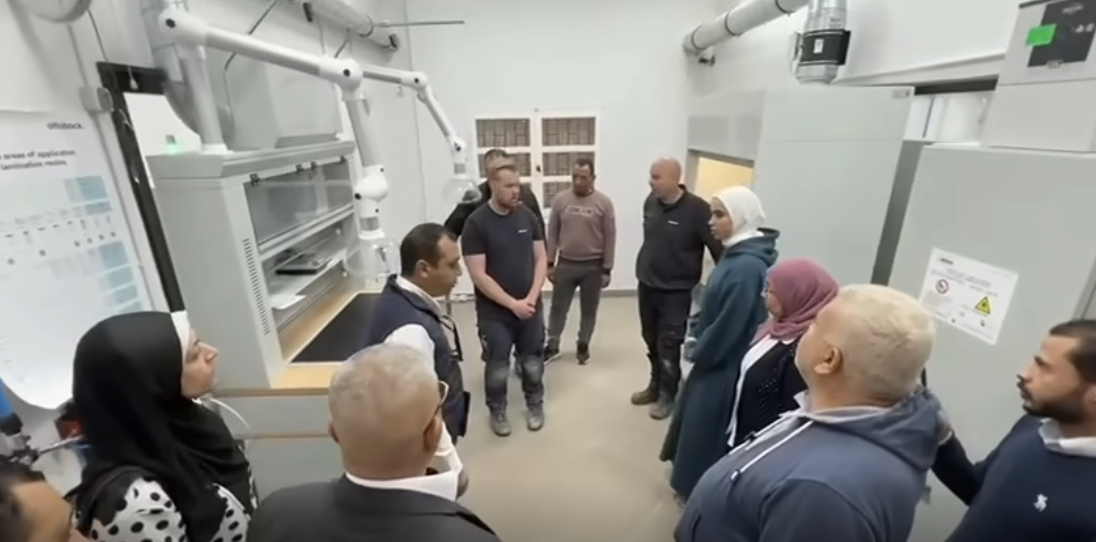
Egypt has completed the furnishing and preparation of its first prosthetics and orthotics center affiliated with the Ministry of Social Solidarity, in a move that signals growing momentum behind rehabilitation sector development and advanced O&P service delivery in the country. The new center is managed by the ministry’s Central Unit for Prosthetic Limbs and has been equipped with advanced German technology through collaboration with Ottobock, one of the world’s best-known prosthetics and orthotics companies.
According to comments shared by Hadeer Radwan, Director of the Central Unit for Prosthetic Limbs at the Ministry of Social Solidarity, the center represents a major qualitative step in strengthening Egypt’s rehabilitation capabilities. The facility is expected to serve as a model for introducing international prosthetic and orthotic technologies into the Egyptian care pathway, with a focus on improving both the quality and precision of device manufacturing and fitting.
The launch also aligns with Egypt’s broader national push to expand and localize the prosthetics and assistive devices sector. In recent years, Egyptian state institutions have publicly highlighted prosthetics localization, rehabilitation capacity building, and improved access to assistive technology as strategic priorities.
For the O&P sector, the significance of this development goes beyond infrastructure alone. A modern center equipped with internationally recognized technology can help improve clinical workflows, support better fitting outcomes, and create stronger opportunities for professional training and skills transfer for Egyptian prosthetists, orthotists, and rehabilitation teams. Ottobock lists a North Africa presence in Cairo through its regional subsidiary network, underlining the practical importance of industry partnerships in expanding access to contemporary O&P systems in the region.
International partnerships of this kind can also support long-term sustainability when they are paired with local workforce development. In Egypt’s case, that means not only introducing advanced components, systems, and production methods, but also ensuring that local professionals are trained to use, adapt, and maintain them within the country’s own service ecosystem.
For patients and families, the center could become an important reference point for more advanced rehabilitation support under a government-affiliated framework. For the wider IMEA region, it is another example of how public-sector investment, clinical modernization, and global collaboration are reshaping the future of prosthetics and orthotics across emerging markets.
As Egypt continues to invest in rehabilitation and assistive technology, the completion of this first Ministry of Social Solidarity prosthetics and orthotics center stands as a promising milestone, one that may help accelerate better access, stronger local expertise, and higher-quality O&P care nationwide.