 By
By
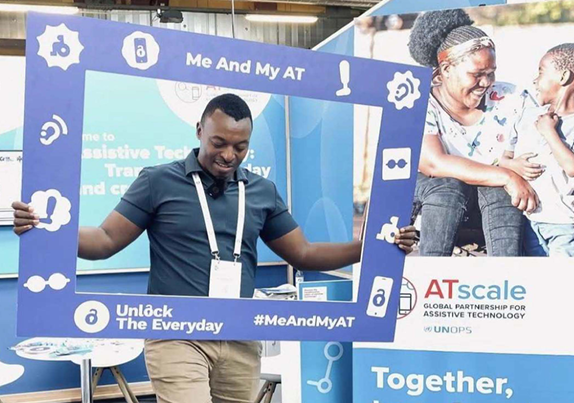
World Day for Assistive Technology on 4 June 2026 gives the prosthetics and orthotics sector a timely global advocacy platform to argue that O&P access must be treated as part of wider universal access to assistive technology.
The campaign, led through ATscale, the Global Partnership for Assistive Technology, highlights the importance of assistive products in enabling people to live independently, participate in education, work, family life and community life. ATscale’s campaign materials specifically include prostheses alongside wheelchairs, glasses, hearing aids and assistive digital devices, making the day directly relevant to the global O&P community.
For IMEA CPO readers, the message is important: prosthetic and orthotic services should not be viewed as isolated specialist services. They are part of the wider assistive technology ecosystem and should be included in national AT strategies, rehabilitation planning, universal health coverage discussions and disability inclusion programmes.
Prosthetics and Orthotics Are Assistive Technology
The global assistive technology conversation is often associated with wheelchairs, hearing aids, eyeglasses, communication devices and digital accessibility tools. Yet prostheses and orthoses are also central assistive products. They enable mobility, independence, participation and dignity for people with limb loss, limb difference, neuromuscular conditions, spinal conditions, diabetic foot complications, stroke, cerebral palsy, trauma and other disabilities.
The World Health Organization defines assistive technology broadly as products and related systems and services that support functioning, independence and well-being. This means that a prosthetic limb, ankle-foot orthosis, spinal brace, diabetic footwear solution or paediatric orthosis should be understood not only as a medical device, but also as a tool for inclusion.
That framing matters. When O&P is seen only as a clinical or hospital-based service, it can be overlooked in wider policy and funding discussions. When it is positioned as assistive technology, it becomes part of larger conversations about disability rights, health equity, education, employment, emergency response, ageing populations and universal health coverage.
Why This Matters in LMICs
The need is especially urgent in low- and middle-income countries across Africa, the Middle East and South Asia, where access to prosthetic and orthotic services remains limited by cost, workforce shortages, weak referral pathways, limited reimbursement, supply chain challenges and a lack of integrated rehabilitation planning.
In many settings, people who need prostheses or orthoses face long waiting times, high out-of-pocket costs and limited follow-up. Children may outgrow devices before replacements are available. Adults with limb loss may be unable to return to work. People with diabetic foot complications may miss early orthotic or footwear interventions that could reduce the risk of ulceration or amputation. Patients affected by conflict, trauma or road traffic injuries may require complex long-term rehabilitation that is not fully funded.
World Day for Assistive Technology gives the O&P sector a simple advocacy message: access to prosthetics and orthotics is not optional. It is part of the right to participate in everyday life.
A Stronger Policy Argument for O&P
The global AT agenda gives prosthetics and orthotics a broader policy language. Instead of advocating only for more devices, the sector can advocate for complete service systems.
That includes:
- Assessment by trained professionals
- Appropriate prescription and device selection
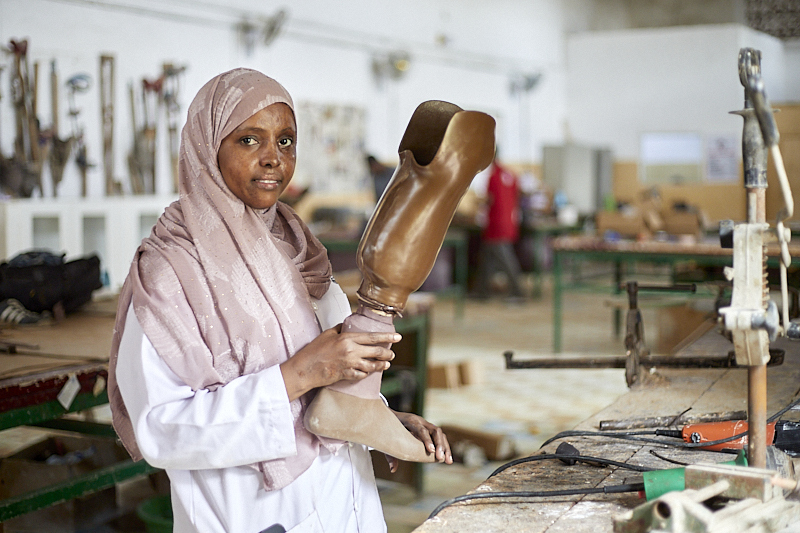
- Local fabrication and fitting capacity
- Follow-up, repair and replacement
- Paediatric growth pathways
- Integration with physiotherapy and rehabilitation
- Sustainable procurement and reimbursement
- Supply chains for components and materials
- Training for clinicians and technicians
- User involvement in service design
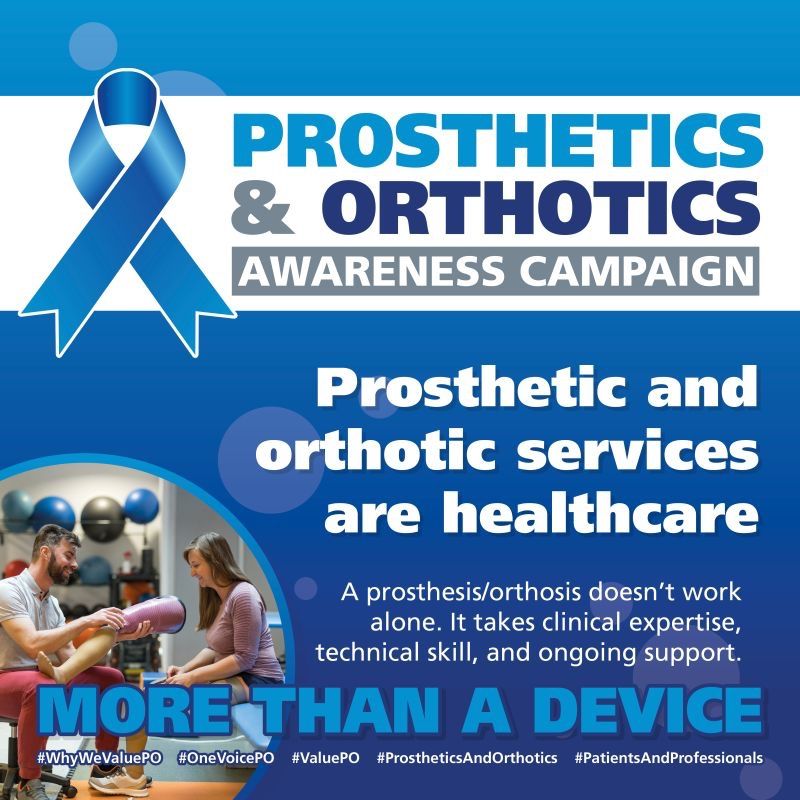
This is particularly important for governments and donors. A prosthesis or orthosis is not simply a product that can be delivered once. It is part of an ongoing service pathway. Without trained personnel, fitting quality, maintenance, follow-up and replacement, device provision may fail to deliver meaningful function.
The Middle East and Africa Opportunity
For the Middle East and Africa, World Day for Assistive Technology is a useful moment to connect O&P with wider regional priorities.
Across the region, demand for assistive technology is being driven by conflict-related injuries, diabetes, ageing populations, road traffic trauma, congenital conditions, stroke, occupational injuries and non-communicable diseases. At the same time, governments are investing in rehabilitation, disability inclusion, digital health, localisation of medical manufacturing and social protection systems.
This creates an opportunity to ensure prosthetics and orthotics are included in national assistive technology plans from the beginning. O&P should be present in discussions on public procurement, insurance coverage, emergency rehabilitation, school inclusion, workforce training and community-based rehabilitation.
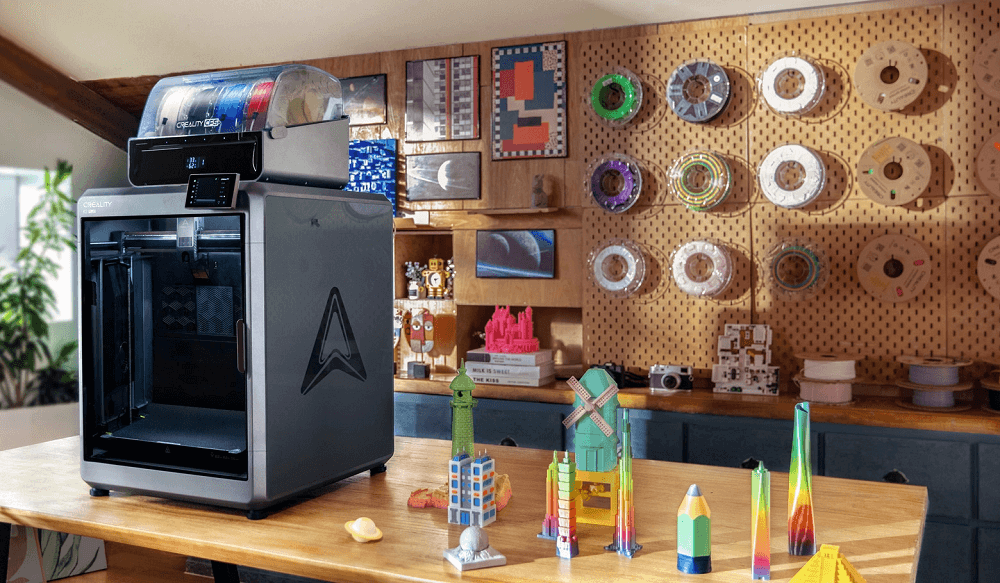
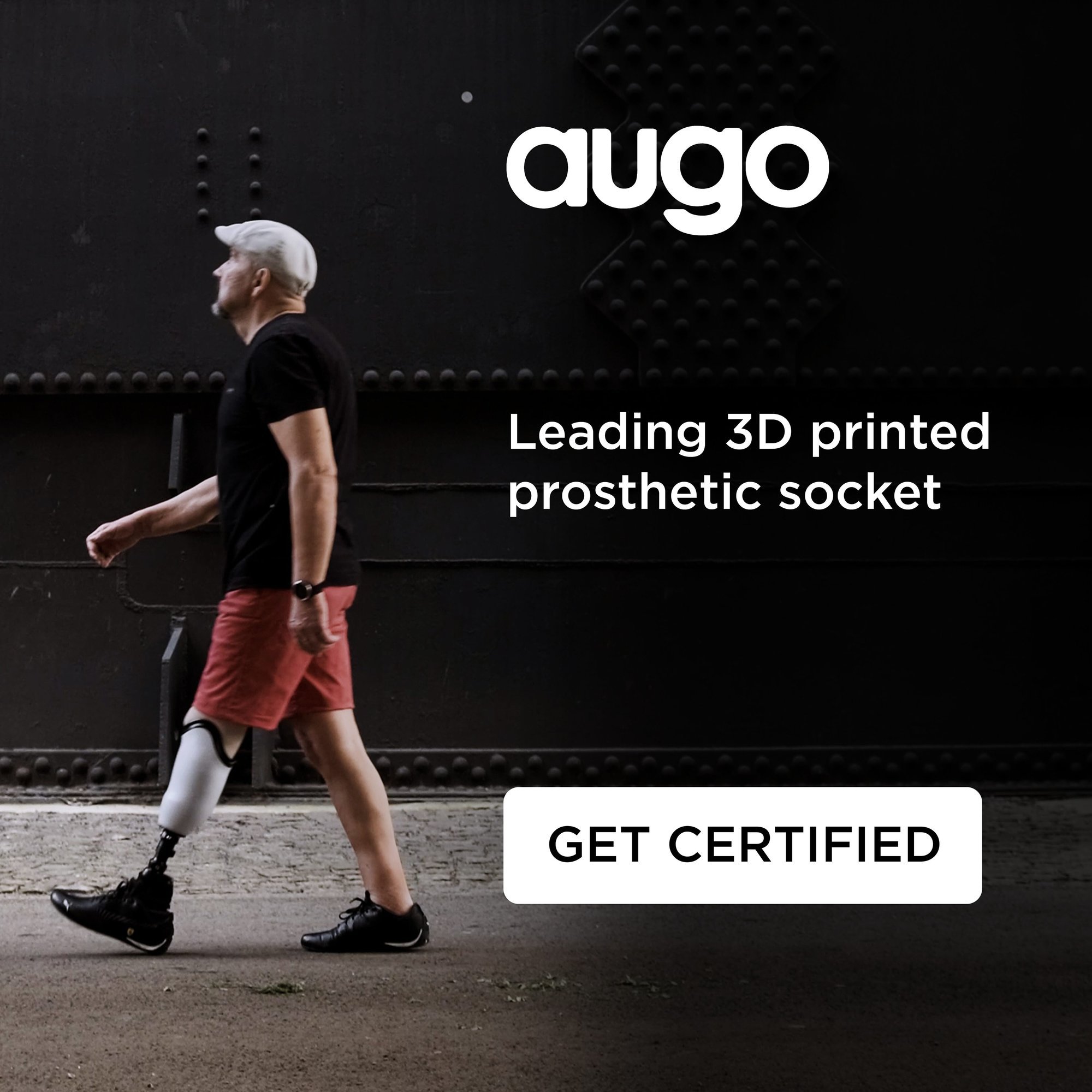
It also creates space for new models of delivery. Digital scanning, 3D printing, modular component systems, mobile outreach, tele-rehabilitation and regional training partnerships may all help improve access when implemented responsibly and supported by trained professionals.
Assistive Technology Is More Than Devices
One of the most important messages of World Day for Assistive Technology is that access is not only about the product. It is about whether a person can actually use that product safely, comfortably and meaningfully in daily life.
For O&P, this distinction is essential. A prosthetic limb that is poorly fitted, unaffordable to maintain or not supported by rehabilitation may be abandoned. An orthosis that is not reviewed as a child grows may become ineffective or harmful. A diabetic foot orthosis that is not paired with education, monitoring and footwear may not prevent complications.
Universal AT access therefore requires investment in systems, not just equipment. The O&P community can use World Day for Assistive Technology to explain why skilled clinicians, technicians, workshops, component supply, training institutions and follow-up pathways are all part of access.
A Call for O&P to Claim Its Place in the AT Agenda
World Day for Assistive Technology should be used by prosthetists, orthotists, technicians, rehabilitation centres, universities, professional associations, NGOs and suppliers to make a clear point: O&P is assistive technology, and O&P access must be part of universal AT access.
For IMEA CPO, the relevance is immediate. In many countries across the Middle East, Africa and South Asia, prosthetic and orthotic needs are increasing faster than service systems can respond. The global assistive technology movement gives the sector a stronger advocacy hook to call for investment, policy recognition and sustainable service models.
As the world marks World Day for Assistive Technology on 4 June 2026, the O&P community has an opportunity to speak with a broader voice. Prostheses and orthoses are not niche products. They are essential assistive technologies that help people move, work, learn, recover and participate.
Universal access to assistive technology must include universal access to quality prosthetic and orthotic care.