

A new international education project is bringing universities, healthcare organisations and rehabilitation specialists together to modernise prosthetics and orthotics training across Jordan, Egypt and Europe.
The NEXTSTEP – Pioneering Innovation and Training in Smart Prosthetics and Orthotics initiative is being delivered through the European Union’s Erasmus+ Capacity Building in Higher Education programme.
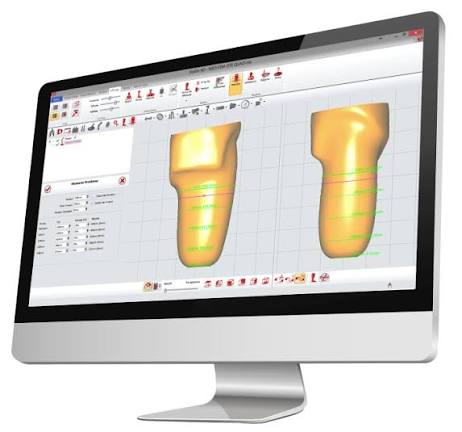
The project will focus on integrating smart prosthetic technologies, digital rehabilitation, 3D scanning, computer-aided design and manufacturing, and additive manufacturing into university education and professional training.
Dr Huthaifa Atallah, an assistant professor in prosthetics and assistive devices at the University of Jordan, is serving as project manager. The University of Jordan has described NEXTSTEP as a three-year international initiative intended to advance education, research and healthcare through digital innovation.
For the prosthetic and orthotic sector across the Middle East and Africa, the project represents an opportunity to strengthen academic programmes while ensuring that graduates are prepared for a rapidly changing clinical and technological environment.
Consortium connects Jordanian, Egyptian and European institutions
The NEXTSTEP consortium includes universities and organisations from Jordan, Egypt and Europe.
Partners identified in project communications include:
- University of Jordan
- Isra University
- Galala University
- South Valley University
- Suez Canal University
- Metropolia University of Applied Sciences
- Vasile Goldiș Western University of Arad
- Health Care Accreditation Council
European Erasmus+ documentation lists the project under the formal title Pioneering Innovation and Training in Smart Prosthetics and Orthotics and identifies it as a Capacity Building in Higher Education initiative selected during the 2025 funding round.
The consortium model allows institutions with different academic, clinical, regulatory and technical strengths to develop shared resources rather than each university attempting to modernise its programme independently.
International cooperation may also give students and educators access to professional networks, mobility opportunities and technologies that are not yet widely available within their own institutions.
Digital technology is changing P&O practice
Prosthetics and orthotics education has traditionally placed substantial emphasis on manual measurement, plaster casting, rectification and workshop fabrication.
These remain important clinical and technical skills, particularly in settings where digital equipment is unavailable.
However, contemporary P&O practice increasingly incorporates:
- Optical and smartphone-based scanning
- Three-dimensional residual-limb capture
- Computer-aided socket and orthosis design
- CNC milling
- 3D printing
- Digital gait and movement analysis
- Sensor-based rehabilitation
- Microprocessor-controlled components
- Remote consultation and tele-rehabilitation
- Electronic patient and production records
Students entering the profession need to understand both conventional and digital workflows.
A graduate who knows only traditional fabrication may struggle to work in a modern digital laboratory. A graduate trained only in software may lack the clinical judgement and manual problem-solving skills needed when technology fails or a patient presents with an unusual condition.
NEXTSTEP’s challenge will be to integrate new technology without weakening the essential clinical foundations of P&O education.
Smart prosthetics require more than technical training
Smart prostheses may include microprocessor knees, powered feet, myoelectric upper-limb systems, embedded sensors and digitally connected rehabilitation tools.
Understanding these products requires knowledge of electronics, programming, biomechanics, component selection and data interpretation.
Yet technology alone does not determine whether a device is appropriate.
Students must still assess:
- Residual-limb condition
- Strength and joint movement
- Balance and mobility
- Cognitive ability
- Functional objectives
- Home and work environments
- Maintenance requirements
- Access to charging and technical support
- Affordability and reimbursement
- Patient preferences
An advanced prosthesis may produce poor outcomes when the socket is uncomfortable or when the user cannot access repairs.
The project should therefore teach smart technology within a person-centred clinical framework rather than presenting innovation as an automatic upgrade for every patient.
Curriculum modernisation could address a regional skills gap
Universities across the Middle East and North Africa face growing demand for qualified prosthetists and orthotists.
The need is being driven by diabetes-related amputation, road traffic injuries, neurological conditions, congenital limb differences, ageing populations and injuries resulting from conflict.
At the same time, employers increasingly expect graduates to understand digital manufacturing and advanced component systems.
Traditional curricula can struggle to keep pace with these developments because of:
- Limited access to modern equipment
- Shortages of educators with digital experience
- Rapid changes in software and hardware
- Weak connections between universities and industry
- Insufficient clinical placement capacity
- Limited continuing professional development
- Uneven international recognition of programmes
NEXTSTEP could help participating universities review curricula, train educators and establish practical laboratories that reflect current professional practice.
Shared teaching materials may also reduce duplication and support more consistent educational standards across institutions.
3D scanning can improve workflow and documentation
Digital shape capture is likely to form a major part of the project.
Three-dimensional scanning can replace or supplement plaster casting for many prosthetic and orthotic applications. It allows patient geometry to be stored, transferred and reviewed without retaining a physical cast.
Potential educational and clinical benefits include:
- Faster data capture
- Reduced plaster use
- Easier repeat production
- Digital comparison between appointments
- Remote review by another clinician
- Improved patient-record management
- Integration with CAD and manufacturing
- Support for research and outcome measurement
Students should also learn the limitations of scanning.
A scan records surface shape but cannot independently evaluate tissue tolerance, pain, muscle strength, joint flexibility or the clinical cause of a deformity.
Safe digital practice therefore requires the scan to remain one part of a wider physical and functional assessment.
CAD/CAM can connect universities with regional production
Computer-aided design and manufacturing could allow participating institutions to develop shared production systems.
A clinic or university in one location could scan a patient and send the data securely to a regional design or fabrication centre. The completed socket, orthosis or mould could then be returned for fitting.
This approach may be especially useful where specialist P&O professionals and manufacturing equipment are concentrated in major cities.
Regional production models could support:
- Rural and remote clinics
- Smaller hospitals
- Humanitarian rehabilitation programmes
- Universities without complete workshops
- Rapid replacement of stored designs
- Collaboration between countries
Students should be trained not only to operate software, but also to understand file preparation, design approval, manufacturing tolerances and quality control.
Responsibility for the prescription must remain clear when assessment, design and production take place in different locations.
3D printing offers opportunities and new responsibilities
Additive manufacturing is becoming increasingly visible in prosthetics and orthotics.
Applications can include diagnostic sockets, definitive sockets, orthotic shells, insoles, spinal devices and upper-limb prosthetic components.
Potential advantages include reduced material waste, repeatable designs and the ability to produce complex geometries.
However, educational programmes must address questions involving:
- Material strength
- Layer orientation
- Printer calibration
- Post-processing
- Structural testing
- Biocompatibility
- Heat and environmental exposure
- Device traceability
- Regulatory requirements
- Failure investigation
A visually impressive 3D-printed device is not necessarily safe or clinically effective.
NEXTSTEP can help students distinguish between prototyping, research and devices suitable for long-term patient use.
Digital rehabilitation extends beyond manufacturing
The project’s focus on digital rehabilitation may include technologies that monitor movement, support therapy and enable follow-up outside the clinic.
These could involve:
- Wearable activity sensors
- Pressure and gait monitoring
- Rehabilitation applications
- Remote exercise supervision
- Video consultation
- Outcome questionnaires
- Patient portals
- Digital education resources
Such tools may improve continuity where travel is difficult or specialist services are concentrated in a small number of centres.
Jordan and Egypt both serve patients who may travel considerable distances for rehabilitation. They also provide care to people displaced or injured by regional conflicts.
Remote support could reduce some repeat journeys, although it cannot replace hands-on assessment when a socket, orthosis or wound requires physical examination.
Educator training will be central to success
Modernising a curriculum requires more than purchasing scanners, printers and computers.
Lecturers and clinical supervisors must understand how to teach, assess and troubleshoot the technology.
Faculty development could include:
- Digital scanning and CAD instruction
- Additive-manufacturing principles
- Smart-component prescription
- Clinical outcome measurement
- Competency-based education
- Online and blended teaching
- Research methodology
- Quality assurance
- Data governance and cybersecurity
- Industry-neutral product evaluation
Educators should have opportunities to practise the workflows before being expected to teach them.
International mobility between consortium institutions may allow lecturers to observe established laboratories and adapt appropriate elements to their own universities.
Students could benefit from international mobility
Erasmus+ Capacity Building projects commonly support cooperation, staff development and international exchange.
NEXTSTEP communications indicate that training and mobility opportunities will form part of the initiative.
For students, international placements can provide exposure to different:
- Healthcare systems
- Clinical practices
- Patient populations
- Reimbursement models
- Manufacturing technologies
- Professional regulations
- Research environments
Mobility should be designed to strengthen local programmes rather than encouraging the permanent loss of graduates.
Students who train abroad should be supported to return with skills that can be applied within Jordan, Egypt and neighbouring countries.
Virtual exchanges may also allow larger groups to participate when travel costs or visa restrictions limit physical mobility.
Accreditation and quality assurance should remain priorities
The involvement of the Health Care Accreditation Council indicates that quality assurance may be an important element of the project.
P&O education should prepare graduates to deliver safe and consistent care, not simply demonstrate familiarity with digital tools.
Quality systems may cover:
- Curriculum governance
- Educator qualifications
- Clinical-placement standards
- Student competency assessment
- Laboratory safety
- Device documentation
- Patient consent
- Infection control
- Research ethics
- Continuous programme review
International benchmarks, including education standards developed by the International Society for Prosthetics and Orthotics, could help participating universities compare their programmes with recognised professional expectations.
Formal accreditation is a separate process and should not be assumed solely because a programme participates in an Erasmus+ project.
Collaboration with industry must remain balanced
NEXTSTEP plans to develop links with universities, healthcare professionals and industry partners.
Industry participation can give students access to current equipment, software and components. Companies may also provide technical workshops, internships and research opportunities.
However, teaching should remain broad and manufacturer-neutral.
Students must learn how to compare technologies based on:
- Clinical evidence
- Patient suitability
- Cost
- Durability
- Maintenance
- Local availability
- Regulatory status
- Long-term outcomes
A university programme should prepare graduates to make independent clinical decisions rather than train them to use only one company’s products.
Clear conflict-of-interest policies can help protect academic independence while maintaining productive industry collaboration.
Research could address regional priorities
The consortium creates an opportunity to generate research focused on the realities of P&O practice in Jordan, Egypt and the wider region.
Possible topics include:
- Digital versus plaster-based socket capture
- 3D-printed orthotic durability in hot climates
- Outcomes from smart prosthetic components
- Paediatric device replacement
- Tele-rehabilitation effectiveness
- Cost-effective production models
- Arabic-language patient education
- Access to P&O services in rural areas
- Rehabilitation for refugees and conflict survivors
- Professional workforce requirements
Regional evidence is important because findings from European or North American healthcare systems may not transfer directly to countries with different climates, resources and reimbursement structures.
Research should involve patients and local clinicians in deciding which questions are most important.
Jordan has experience in regional P&O education
The University of Jordan has a long-established role in prosthetics, orthotics and assistive-device education.
Its leadership involvement in NEXTSTEP provides a foundation for connecting academic teaching with clinical practice and regional workforce needs.
The university has said the project will bring a specialised health-technology dimension to its wider portfolio of international programmes and support education in smart prosthetics and orthotics.
Jordan also has considerable experience supporting rehabilitation for refugees and people injured in regional conflicts.
This context can help ensure that project activities address both advanced technology and the need for affordable, durable services in humanitarian environments.
Egypt offers scale and expanding technological capacity
Egypt’s participating universities bring access to a large student population and a healthcare system serving more than 100 million people.
The country is investing in technological universities, digital health and new prosthetic and orthotic education initiatives.
Egypt has also become an important treatment location for Palestinians medically evacuated from Gaza, including people requiring surgery, prosthetic fitting and long-term rehabilitation.
NEXTSTEP could complement these developments by improving digital education and creating stronger links between Egyptian institutions and European partners.
The project may also help universities develop shared laboratories and teaching resources that would be difficult for individual departments to establish alone.
Resources should remain available after the project ends
Erasmus+ funding can provide an important period of development, but sustainable impact depends on what remains when the grant ends.
The consortium should aim to create lasting resources such as:
- Updated curricula
- Trained local educators
- Operational digital laboratories
- Open educational materials
- Maintenance budgets
- Industry and clinical partnerships
- Research networks
- Graduate tracking systems
- Continuing professional development courses
Equipment can quickly become unusable when licences expire, parts fail or trained staff leave.
Universities should therefore plan for servicing, software renewal and replacement costs from the beginning.
Open or widely supported technology may provide greater long-term value than systems dependent on one supplier.
Communication channels can widen participation
The project has launched an official website and social-media channels to share news, training opportunities, research findings, events and educational resources.
Dr Atallah has invited students, educators, clinicians and industry partners to join the NEXTSTEP community and follow the project’s development.
Regular communication can help the initiative reach professionals outside the formal consortium.
It may also provide opportunities for external universities and rehabilitation organisations to participate in workshops, use educational materials and contribute to research.
Public reporting of milestones and deliverables will make it easier to assess whether the project is producing practical improvements rather than remaining limited to institutional meetings.
Building the next generation of P&O professionals
NEXTSTEP arrives at a time when prosthetics and orthotics is becoming more digital, connected and technologically complex.
The profession still depends on skilled hands, clinical judgement and close relationships with patients. Those foundations must now be combined with digital design, data interpretation, advanced components and new manufacturing methods.
Jordanian and Egyptian universities have an opportunity to prepare graduates who can operate confidently across both traditional and modern systems.
The project’s success should ultimately be measured by whether education leads to better services:
- More qualified professionals
- Shorter patient waiting times
- Better-fitting devices
- Safer use of digital manufacturing
- Stronger local research
- Improved access outside major cities
- Greater independence for prosthetic and orthotic users
Smart technology has the potential to transform rehabilitation, but only when it is supported by competent professionals and sustainable services.
NEXTSTEP can help ensure that the region’s future prosthetists and orthotists are prepared to lead that transformation.
- University of Jordan – NEXTSTEP project announcement
- Erasmus+ Capacity Building in Higher Education
- Erasmus+ project results platform
- University of Jordan
- Isra University
- Galala University
- South Valley University
- Suez Canal University
- Metropolia University of Applied Sciences
- Vasile Goldiș Western University of Arad
- International Society for Prosthetics and Orthotics