

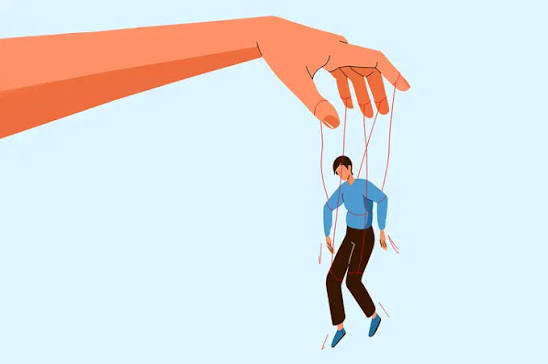
No prosthetist wants a patient to leave the clinic feeling ignored.
Yet prosthesis users sometimes report that their pain was minimised, their socket concerns were dismissed or their description of a gait problem was not taken seriously. The term commonly used for this experience is medical gaslighting.
An article published by Amputee Store describes warning signs such as repeated interruption, downplaying symptoms, failing to explore alternative socket solutions and refusing to accept that a device or gait problem may require further investigation.
From a prosthetist’s perspective, this is an uncomfortable but necessary subject.
Clinical appointments can be pressured. Socket problems can be complex. The cause of pain is not always immediately visible, and the first adjustment may not solve it. None of those realities, however, justifies making a patient feel that their experience is unimportant or imaginary.
A prosthetist may not have an immediate answer. We should still listen, investigate and explain what happens next.
Pain inside a prosthetic socket is information
When a patient reports pain, instability, rubbing, sweating, loss of suspension or reduced walking confidence, they are giving the clinician valuable clinical information.
The patient lives in the socket for hours each day. The prosthetist sees it only during an appointment.
Even when the residual limb looks healthy in the examination room, the patient may be experiencing problems after:
- Thirty minutes of walking
- A full day at work
- Climbing stairs
- Sitting for long periods
- Changes in temperature
- Increased perspiration
- Changes in residual-limb volume
- A particular movement or activity
The absence of an obvious pressure mark during the appointment does not prove that the problem is not occurring.
A better response is to ask when the symptoms appear, how long they last and what the patient is doing when they develop.
Not every unsolved problem is gaslighting
It is important to separate medical gaslighting from an honest clinical disagreement or a difficult diagnosis.
A prosthetist may believe that a socket adjustment is unlikely to solve pain caused by a neuroma, infection, referred back pain, vascular disease or another medical condition. The clinician may recommend review by a rehabilitation physician, surgeon, dermatologist or pain specialist.
That is not necessarily dismissal.
The difference lies in how the concern is handled.
A respectful prosthetist explains:
- What has been assessed
- What has been ruled out
- What remains uncertain
- Why a particular adjustment may or may not help
- Whether another professional should become involved
- What the patient should do if symptoms worsen
Gaslighting occurs when the person’s experience is repeatedly invalidated rather than investigated.
Listening is a clinical skill
Prosthetic practice is often described as a combination of science, engineering and craftsmanship. Listening should be recognised as an equally important clinical skill.
A useful consultation allows the patient to describe the main concern without being interrupted too quickly.
The prosthetist can then ask focused questions:
- Where exactly is the discomfort?
- Is it pressure, burning, pulling, rubbing or sharp pain?
- Does it begin immediately or later in the day?
- Does changing sock ply affect it?
- Has body weight or activity changed?
- Is the liner rolling, slipping or trapping sweat?
- Does the problem occur while standing, walking or sitting?
- Has the patient changed footwear?
- Are there skin changes after the prosthesis is removed?
These details may reveal a problem that is not visible during a brief static examination.
The socket may not be the only cause
Patients commonly describe the prosthesis as painful when the underlying cause may involve several interacting factors.
Possible contributors include:
- Socket shape or volume
- Excessive pressure over a bony area
- Inadequate relief
- Poor suspension
- Liner wear or incorrect sizing
- Alignment
- Prosthetic foot or knee function
- Hip or knee contracture
- Muscle weakness
- Gait compensation
- Residual-limb skin disease
- Neuroma or phantom pain
- Changes in body weight
- Problems affecting the opposite limb
The prosthetist should avoid assuming either that every complaint is caused by the socket or that the socket cannot be responsible.
A structured assessment is needed.
The patient also deserves to understand which possibilities are being considered.
“Give it two weeks” needs an explanation
Patients are sometimes advised to continue using a new or adjusted prosthesis while the body adapts.
There are situations in which a gradual wearing schedule is appropriate. A person returning to prosthetic use after a long break may need time to build skin tolerance and stamina.
However, “try it for two weeks” should not become an automatic response to significant pain.
The prosthetist should explain:
- What level of discomfort may be expected
- What symptoms are not acceptable
- How long the prosthesis should be worn
- When the patient should stop using it
- How to contact the clinic
- When the review will take place
Sharp pain, skin breakdown, persistent redness, loss of circulation or increasing instability should not be treated as a normal adjustment period.
Documentation protects the patient and clinician
Amputee Store recommends that prosthesis users keep records of symptoms, skin photographs, medication and prosthetic sock use.
From the clinician’s side, detailed documentation is equally valuable.
The prosthetic record should include:
- The patient’s own description of the problem
- Skin findings
- Socket and liner condition
- Sock ply at arrival
- Alignment observations
- Gait findings
- Adjustments completed
- Advice provided
- Agreed follow-up plan
- Referrals recommended
Documentation helps identify patterns across several appointments.
It also prevents the patient from having to explain the entire history again each time they see a different member of the team.
Patients should be encouraged to bring evidence
A patient who arrives with photographs, a symptom diary or a video of their gait is not challenging the prosthetist’s authority.
They are helping the assessment.
Skin marks may disappear before an appointment. A gait problem may occur only after fatigue. A suspension failure may be difficult to reproduce inside the clinic.
Useful information can include:
- Photographs taken immediately after removing the prosthesis
- Videos of walking at home or work
- The time of day symptoms appear
- The number of prosthetic socks being worn
- Changes in activity or weight
- How long redness takes to disappear
- Which adjustment makes the problem better or worse
Clinicians should welcome this information while ensuring that confidential images and patient data are handled securely.
The prosthetist should explain the plan aloud
At the end of an appointment, both parties should understand what has been decided.
A simple recap might include:
“We found pressure near the fibular head and some movement within the socket. I have adjusted the relief and suspension. Please build up wear gradually over the next three days, inspect the skin after use and contact us sooner if redness lasts longer than expected. We will review the fit next week.”
This is much clearer than saying, “See how it goes.”
Amputee Store advises patients to summarise the consultation before leaving so that they understand the proposed investigation and treatment plan.
Prosthetists can make this easier by providing written instructions or a brief digital summary.
Time pressure is real, but dismissal is not acceptable
Many prosthetic clinics manage large caseloads, limited staffing, authorisation delays and urgent repairs.
Clinicians may have only a short appointment in which to assess skin, socket fit, alignment, components and gait.
These pressures are real, particularly in public and humanitarian services across the Middle East, Africa and South Asia.
They still do not remove the need for respectful communication.
When there is insufficient time to solve a problem fully, the prosthetist should say so honestly and arrange a longer review rather than rushing to reassure the patient that nothing is wrong.
A patient who has travelled for hours or waited months for an appointment may be particularly distressed if their concern is dismissed within minutes.
A failed adjustment is not a personal failure
Prosthetists invest significant professional pride in their work.
When a patient reports that a newly fitted socket remains painful, it can feel like criticism. That reaction must not influence the clinical response.
Socket fitting is an iterative process.
Residual limbs change. Tissue behaviour may differ under sustained loading. A design that appeared satisfactory during casting and trial fitting may require further work once the person resumes daily activity.
The appropriate response is curiosity rather than defensiveness:
- What has changed?
- Where is the loading occurring?
- Is the volume different?
- Is the suspension functioning?
- Does alignment need review?
- Is a new socket strategy required?
Acknowledging that a problem exists does not mean accepting personal blame. It means accepting clinical responsibility for investigating it.
Shared decision-making improves care
Patients should be involved in choices about their prosthetic treatment.
When several options exist, the prosthetist should explain the likely benefits, limitations and trade-offs.
For example, changing suspension may improve control but make donning more difficult. A tighter socket may reduce movement but increase pressure. A different foot may alter stability, weight or maintenance requirements.
The patient’s priorities matter.
One person may value maximum security. Another may prioritise sitting comfort, ease of dressing, religious practices, work demands or the ability to remove the prosthesis quickly.
A technically successful prescription that ignores the patient’s daily life may still fail.
Cultural and social factors can affect communication
In many IMEA countries, patients may hesitate to challenge a healthcare professional.
They may fear being labelled difficult, losing access to charitable support or offending a senior clinician. Women, older adults, migrant workers and people with limited literacy may find it especially difficult to question treatment decisions.
Language differences can also lead to incomplete descriptions of pain or misunderstanding of instructions.
Clinics can respond by:
- Providing trained interpreters
- Using clear, non-technical language
- Encouraging questions
- Allowing a family member or advocate to attend
- Checking understanding rather than assuming it
- Providing illustrated instructions where useful
The goal is not simply to speak to the patient, but to ensure that meaningful communication has occurred.
Bringing a companion can help
Patients may struggle to remember clinical information when they are anxious, in pain or worried about the future.
Amputee Store suggests bringing a trusted companion who can listen, take notes or provide emotional support.
Prosthetists should generally welcome this, with the patient’s consent.
The clinician should still speak directly to the patient rather than allowing the companion to dominate the discussion.
In paediatric care, family involvement is essential, but children and adolescents should also be given an opportunity to describe their own comfort and functional goals.
Second opinions should not be treated as disloyalty
A prosthesis user is entitled to seek another professional opinion.
This may be particularly appropriate when:
- Pain continues despite repeated adjustments
- Skin damage is recurring
- The explanation remains unclear
- Major reconstruction is being proposed
- Communication has broken down
- The patient has lost trust in the clinical relationship
A confident clinician should not feel threatened by a second opinion.
Another prosthetist may identify a different solution, confirm the original assessment or recommend medical investigation outside the P&O clinic.
The patient’s welfare matters more than professional pride.
Clinics should make complaints safe
Patients should have a clear route for raising concerns without fearing that their future care will be affected.
A complaints process can help identify recurring issues involving communication, waiting times, socket quality or follow-up.
Services should monitor:
- Repeated unresolved pain complaints
- Device abandonment
- Unplanned socket replacements
- Skin complications
- Patient satisfaction
- Missed follow-up
- Complaints about staff behaviour
These data can support quality improvement.
A complaint should not automatically be interpreted as hostility. It may reveal a service problem that clinicians have not recognised.
Prosthetists also need support
Preventing dismissive care is not solely the responsibility of individual clinicians.
Organisations must provide conditions that allow good practice.
This includes:
- Realistic appointment times
- Adequate staffing
- Access to multidisciplinary referrals
- Continuing professional education
- Peer review of difficult cases
- Psychological safety for clinicians to discuss mistakes
- Functional complaints procedures
- Outcome monitoring
Burnout, excessive caseloads and poor management can damage communication and clinical judgement.
Supporting prosthetists is therefore part of protecting patients.
A better clinical response
When a patient says, “Something is wrong with my prosthesis,” the best initial response is not necessarily agreement or disagreement.
It is:
“Tell me what you are experiencing.”
The clinician can then assess, test, explain and decide on the next step.
Sometimes the solution will be a minor adjustment. Sometimes it will require a new socket, a component change, physiotherapy or medical referral. Occasionally no clear explanation will be found at the first appointment.
Uncertainty is acceptable when it is communicated honestly.
Dismissal is not.
Trust is part of the prosthetic prescription
A prosthetic device is built through measurements, materials, alignment and skilled fabrication.
A successful rehabilitation relationship is built through listening, explanation and trust.
Patients must feel able to report pain without being viewed as difficult. Prosthetists must feel able to explain uncertainty without being expected to produce an immediate solution to every complex problem.
The original Amputee Store article rightly encourages prosthesis users to document symptoms, ask questions and seek another opinion when concerns remain unresolved.
The professional response should not be defensive.
It should be a commitment to better communication, clearer clinical reasoning and care in which the patient’s experience is treated as essential evidence.
- Amputee Store – Medical Gaslighting: What It Is and What You Can Do About It
- World Health Organization – Rehabilitation
- International Society for Prosthetics and Orthotics
- WHO Standards for Prosthetics and Orthotics
- ISPO professional ethics and standards resources