

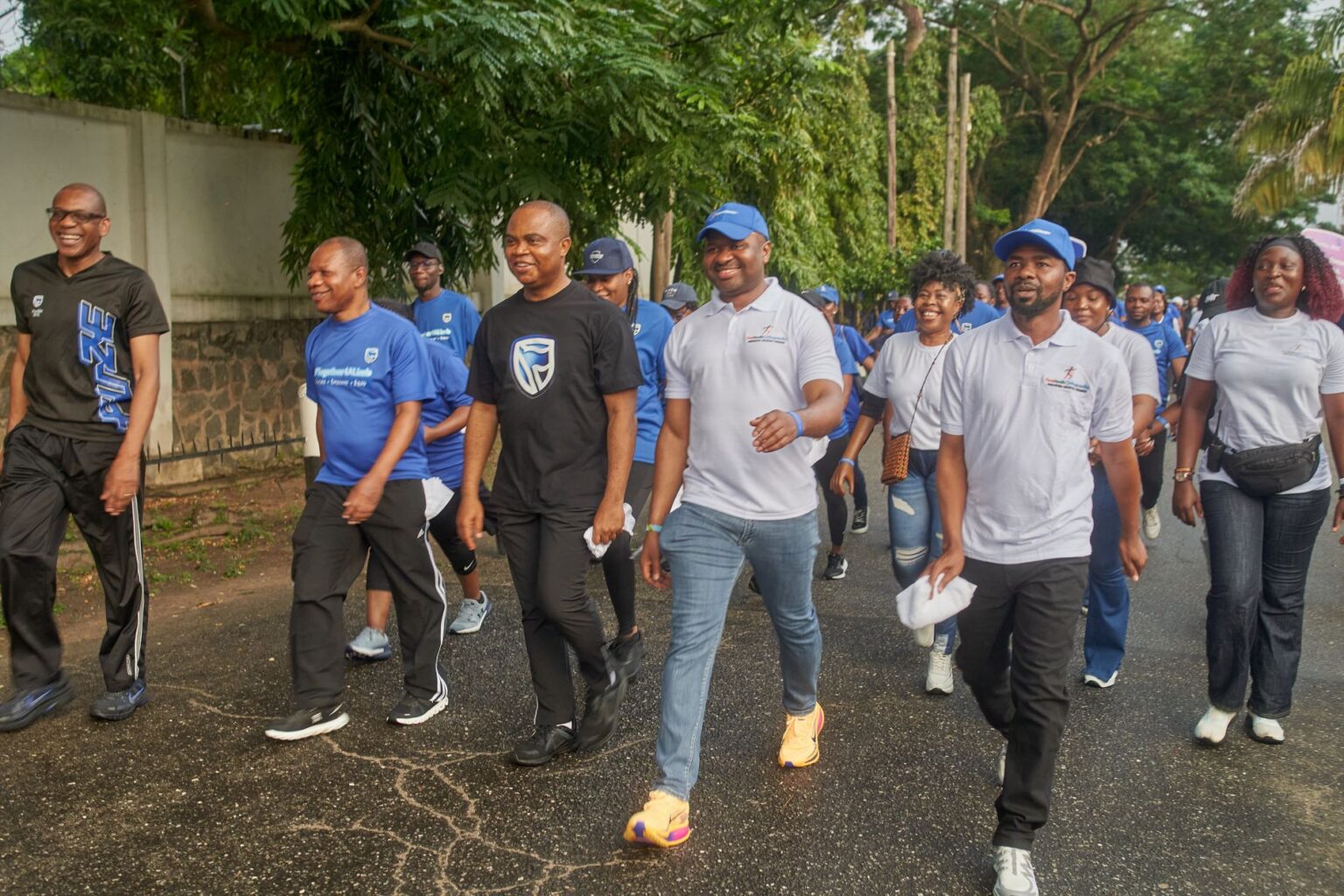
Nigeria’s Together4ALimb programme has reached 250 children with limb loss after 12 years of combining prosthetic rehabilitation with educational and social support.
The milestone was announced during the programme’s 12th annual walk in Lagos on 22 August 2026 and reported by Guardian Nigeria.
Together4ALimb is owned and funded by Stanbic IBTC, with IfeanHealth providing prosthetic rehabilitation and continuing clinical support.
The programme’s latest phase is drawing attention to what beneficiaries have achieved after receiving prosthetic care. Children who entered the initiative during its earlier years are now completing secondary school, entering tertiary education, preparing for employment and, in some cases, establishing businesses.
For prosthetists, orthotists and rehabilitation organisations across Africa, the programme presents an important alternative to short-term prosthetic donation. Its model recognises that restoring mobility is not the final outcome; it is a means of enabling education, participation, independence and future economic activity.
From 136 to 250 beneficiaries
In 2024, Stanbic IBTC reported that Together4ALimb had supported 136 children. By the time of the 2026 walk, the number had reached 250.
A further 50 children are expected to receive prosthetic limbs through the programme’s current cycle, according to Jochen Schindelarz, Vice Consul at the German Consulate in Lagos.
The beneficiaries include children with limb loss associated with congenital conditions, accidents and injuries that did not receive effective early management.
Alongside prosthetic care, Stanbic IBTC establishes an Educational Trust Fund for beneficiaries. The programme is intended to reduce the risk that a child’s mobility impairment and the financial pressure placed on their family will interrupt schooling or limit future opportunity.
This combined approach is particularly important in settings where the costs of surgery, rehabilitation, transport, prosthetic replacement and education are carried largely by families.
A prosthesis restores a path
Speaking at the annual event, IfeanHealth Managing Director and Chief Executive Ejike Anih described the programme’s developing focus as “becoming”.
Previous editions had concentrated on the circumstances surrounding limb loss and the immediate rehabilitation process. As the programme’s earliest beneficiaries grow into young adults, attention is shifting towards the lives they are building.
“Our work has never simply been about providing prosthetic limbs,” Anih said. “A prosthetic limb restores a path. The real outcome is what becomes possible because of it.”
Reported outcomes include beneficiaries progressing through university, preparing to enter employment and combining higher education with entrepreneurship. One recent secondary-school graduate reportedly achieved a score above 300 in Nigeria’s 2026 Unified Tertiary Matriculation Examination.
These achievements should not be attributed to a prosthetic device alone. They reflect the interaction between clinical care, family support, education, personal ambition and a programme willing to remain involved beyond the first fitting.
Children require continuing prosthetic care
Paediatric prosthetic provision is fundamentally different from supplying a permanent piece of equipment to an adult whose physical condition is stable.
Children grow, and the relationship between the socket, residual limb, joints and the rest of the body continually changes. A device that fits well today may become uncomfortable or unsafe within months.
The Together4ALimb programme therefore includes continuing assessment and prosthesis replacement. Stanbic IBTC states that beneficiaries receive annual prosthetic changes, subject to their individual requirements.
Long-term paediatric management may involve:
- Regular residual-limb and skin assessment
- Socket replacement as the child grows
- Alignment changes following increases in height or weight
- Component changes as activity and functional ability develop
- Physiotherapy and gait training
- Monitoring for pain, falls and compensatory movement
- Repairs and replacement of worn components
- Supporting participation at school and in the community
Children may also require different prosthetic designs as their priorities change. A young child learning fundamental movement skills has different requirements from a teenager travelling independently, participating in sport or preparing for employment.
A sustainable programme must therefore budget for repeated clinical contact, not merely the original device.
Impact beyond the individual child
The benefits of paediatric rehabilitation can extend to the entire household.
When a child cannot travel to school or manage daily activities independently, a parent or other family member may need to stop working or reduce their economic activity to provide care.
Restoring safe mobility and school participation can help the child while also allowing the caregiver to return to employment, education or enterprise. This wider household effect was previously highlighted by IfeanHealth during the 10th edition of Together4ALimb.
The programme also includes an annual walkathon designed to raise public awareness about childhood limb loss and encourage action from government, policymakers and wider society.
Connecting corporate support with national policy
Professor Rufai Ahmed, Registrar and Chief Executive of Nigeria’s Medical Rehabilitation Therapists Board, said the programme demonstrates how private-sector intervention can identify and begin addressing unmet needs before national systems fully respond.
He connected the work of Stanbic IBTC and IfeanHealth with Nigeria’s development of national policy for assistive technology and rehabilitation.
Nigeria’s Federal Ministry of Health and Social Welfare has also highlighted the scale of the challenge, estimating that approximately 30 million Nigerians with disabilities require improved access to assistive technology.
Corporate programmes cannot replace a nationally financed rehabilitation system. However, Together4ALimb provides evidence that sustained partnerships can generate more meaningful outcomes than isolated device-distribution campaigns.
The next challenge is translating lessons from 250 beneficiaries into services available to many more children. This will require trained prosthetists and orthotists, suitable components, regional clinical capacity, reliable follow-up systems and financing that recognises replacement as an essential part of paediatric care.
After 12 years, Together4ALimb’s most significant achievement may not be the number of prostheses supplied. It is the evidence that continuing rehabilitation, combined with education and opportunity, can help children with limb loss move from receiving assistance to shaping their own futures.
- Guardian Nigeria: IfeanHealth and Together4ALimb Reach 250 Beneficiaries
- Stanbic IBTC Together4ALimb Programme
- IfeanHealth
- Stanbic IBTC: 136 Children Supported Through Together4ALimb
- Federal Ministry of Health: Expanding Assistive Technology Access in Nigeria
- WHO Priority Assistive Products List for Nigeria