 By
By
What if flexible, rubber-like components could be produced overnight, without tooling, while still withstanding millions of load cycles in real-world use?
With HP Multi Jet Fusion (MJF) combined with HP TPU and HP High Reusability TPA elastomer materials, this is now a practical reality for manufacturers working in automotive, industrial production, robotics, and increasingly, orthotics and prosthetics.
These advanced elastomer materials allow engineers and clinicians to design parts that combine flexibility, durability, and repeatability — while maintaining the speed and efficiency required for modern digital manufacturing workflows.
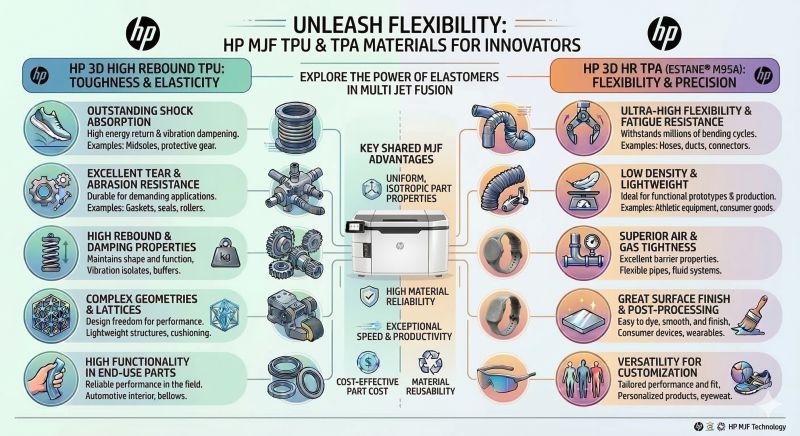
Key advantages of HP TPU and HP HR TPA
- Outstanding shock absorption and rebound performance (HP TPU)
Ideal for energy-return components such as midsoles, protective padding, prosthetic liners, and vibration isolators. - Ultra-high flexibility and fatigue resistance (HP HR TPA)
Suitable for parts that must withstand repeated bending, including hoses, bellows, connectors, and dynamic orthotic components. - High abrasion and tear resistance
Enables long-life seals, gaskets, wear parts, and prosthetic cosmetic covers exposed to daily use. - Air- and gas-tight performance with smooth surface finish
Supports fluid-handling components, medical devices, and consumer-grade products requiring clean aesthetics. - Lightweight lattice structures
Complex lattice geometries allow precise tuning of stiffness, damping, ventilation, and weight — particularly valuable in footwear, seating, and orthotic design. - High material reusability and isotropic mechanical properties
HP MJF enables cost-effective series production with consistent strength in all directions, making it suitable for both prototyping and full-scale manufacturing.
Industrial and robotics applications
Industrial users are adopting elastomer printing to simplify assemblies and reduce maintenance requirements.
Examples include:
- Seals, manifolds, and flexible connectors for process equipment
- Soft robotic grippers and end-of-arm tooling
- Cable management components and vibration mounts
- Jigs, fixtures, and protective covers produced on demand
- Flexible hoses and bellows with extended service life
By consolidating multiple parts into a single printed component, manufacturers can reduce inventory and accelerate product development.
Applications in Orthotics & Prosthetics
For the O&P sector, flexible 3D printing materials are opening new possibilities in patient-specific devices and digital workflows.
Potential applications include:
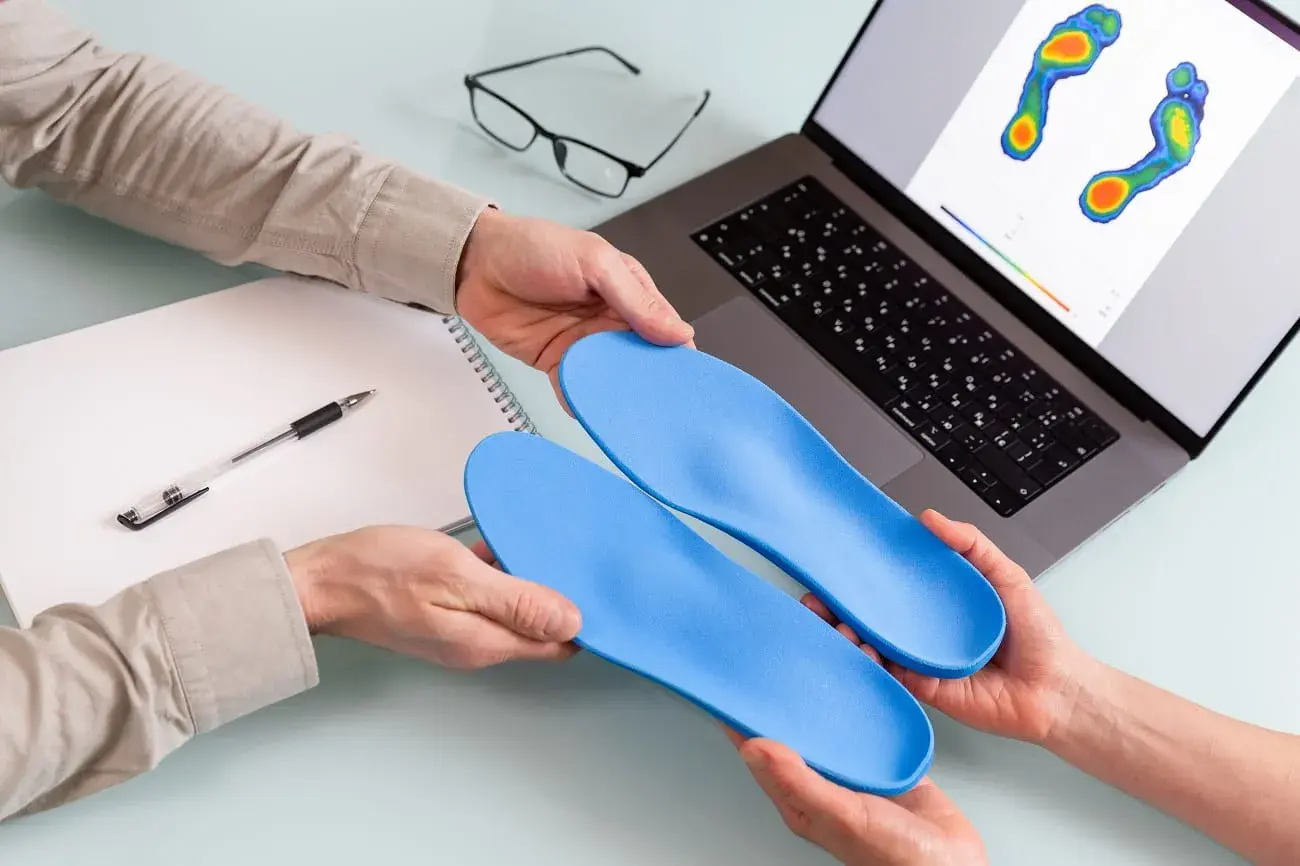
- Custom insoles, AFOs, and braces with tuned cushioning and energy return
- Flexible prosthetic covers with improved durability and comfort
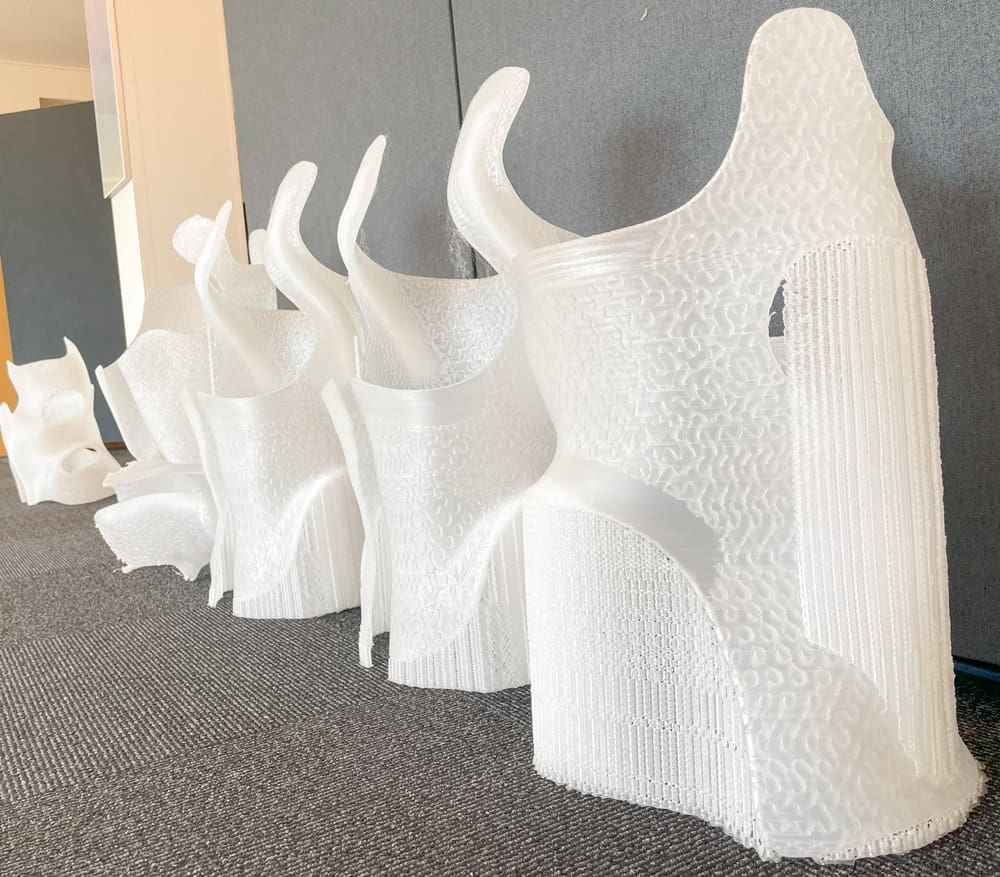
- Lightweight, breathable orthoses using lattice structures
- Patient-specific liners and interface components
- Rapid scan-to-device production for clinics and rehabilitation centres
These technologies support the transition toward mass personalization, where each device can be tailored to the patient without increasing production time.
Industry 5.0 and the future of digital manufacturing
The combination of high-performance elastomers and powder-bed 3D printing represents a shift toward Industry 5.0 manufacturing, where production is:
- Human-centred
- Flexible
- Digitally driven
- Capable of customization at scale
For orthotics and prosthetics, this means the ability to move from labour-intensive fabrication toward reproducible, data-driven production — while still maintaining clinical control.
As adoption grows across IMEA, elastomer 3D printing is expected to play a key role in enabling regional manufacturing, faster delivery times, and improved patient outcomes.