 By
By
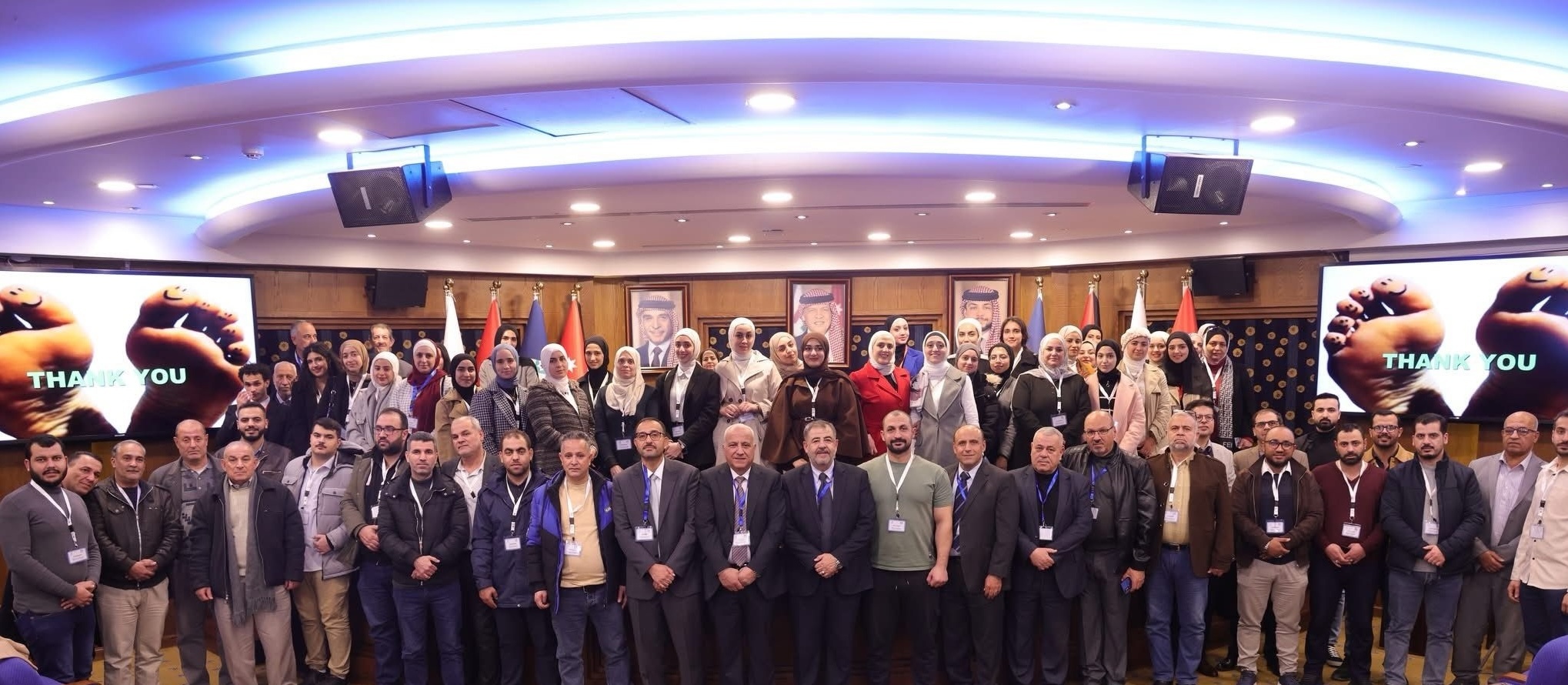
In a packed hall at the Amman Chamber of Commerce on 20 December 2025, leading clinicians, educators, students, and rehabilitation professionals gathered for the Scientific Day for Diabetic Foot Care & Workshop, organized by the Jordanian National Society for Prosthetics & Orthotics (JNSPO).
The event united specialists from multiple disciplines — prosthetics and orthotics, rehabilitation science, nursing, podiatry and physical therapy — around a common goal:
“Transform evidence into action, and prevent complications before they escalate.”
It was a day that blended science, hands-on learning, and shared commitment — and one that participants described as “a turning point” in how diabetic foot care is approached in Jordan and the wider IMEA region.
A Multidisciplinary Start to Prevention
The Scientific Day opened with remarks from JNSPO leadership affirming the urgency of the problem.
“Too many of our patients lose limbs not because of disease alone, but because of delayed care,” said Omar Al-Jamal, Chair of the Scientific Day and an experienced prosthetics and orthotics clinician, in his opening address. GJU
“This workshop is not just about devices — it is about building systems of early detection, continuous follow-up, and patient education.”
Alongside local specialists, the programme featured clinicians and educators who brought global perspective and regional relevance to diabetic foot care.
Speakers, Insights, and Shared Techniques
While the core focus was diabetic foot prevention and management, the Scientific Day also drew on broader rehabilitation expertise:
📍 Dr. Huthaifa Atallah — Assistant Dean for Clinical Training and Partnerships, School of Rehabilitation Sciences, The University of Jordan — delivered a keynote tying clinical training directly to improved patient outcomes. In his presentation and workshop engagement, Dr. Atallah emphasized:
“Education changes outcomes, and today’s clinicians will be tomorrow’s standards bearers.” LinkedIn
Other featured experts included a mix of local and international specialists who shared cutting-edge research, practical strategies, and real-world case experiences:
-
Dr. Ahmad Shehadeh — expert in prosthetic and orthotic clinical practice
-
Dr. Anas Zahran — rehabilitation specialist with a focus on gait and pressure redistribution
-
Mr. Omar Aljamal — Chair, Scientific Day organizer and advocate for integrated care approaches
-
Dr. Bashar Qaroot — podiatry and diabetic foot complication management educator
-
Bio. Eng. Raed Alkhattab — biomedical engineer specializing in off-loading technology and custom footwear solutions
-
Dr. Amneh Alshawabka — researcher in diabetic foot pathology and prevention
-
Dr. Mahmoud Alfatafta — musculoskeletal rehabilitation expert
-
Dr. Huthifa Attallah — clinician-educator emphasizing practical screening protocols and patient self-management
Together, these voices offered a broad and practical framework — from pathophysiology to pressure monitoring, from therapeutic footwear to patient communication strategies.
Hands-On Workshops: From Theory to Practice
The afternoon sessions brought theory to life. Participants rotated through practical stations focused on:
-
plantar pressure assessment
-
off-loading techniques
-
footwear modification strategies
-
patient education and counseling
Attendees praised the real-world utility of the workshop:
“Seeing pressure mapping and adjusting off-loading in real time was transformative,” said one young physiotherapist.
“This pushes us from knowing why to knowing how.”
Clinicians from prosthetic and orthotic backgrounds also highlighted the interdisciplinary exchange as one of the event’s strengths:
“We learned not just about braces and footwear,” said a participant from a public rehabilitation centre,
“but how to work alongside nurses, therapists, and podiatrists to keep patients out of the hospital.”
Prevention Over Procedure — A Cultural Shift
One clear theme emerged throughout the day:
Prevention must be prioritized over reactive intervention.
Speakers stressed that many diabetic foot complications — from ulceration to amputation — are avoidable with consistent screening, early intervention, and culturally sensitive patient education.
“Every ulcer prevented is a life maintained,” reflected Dr. Bashar Qaroot in his session on risk stratification.
Organizers emphasized that the real impact of today’s learning will be measured in fewer hospital admissions, less patient suffering, and stronger community health outcomes — not just conference attendance numbers.
Building the Future Together
As the Scientific Day wrapped, JNSPO reaffirmed its commitment to spreading knowledge and fostering collaboration.
“We cannot accept limb loss as inevitable,” said Omar Al-Jamal in his closing remarks.
“Through education, teamwork, and shared clinical practice, we can elevate standards of care across Jordan and beyond.”
With plans for follow-up workshops, community outreach, and ongoing professional development, the Society’s vision is clear: a future where diabetic foot complications are rare, not routine.
For the clinicians who attended, the event was more than a meeting. It was a call to action — one step in a long journey toward safer, smarter diabetic foot care.





.jpeg)

-1.png "Gaza Fund (1)-1")