 By
By
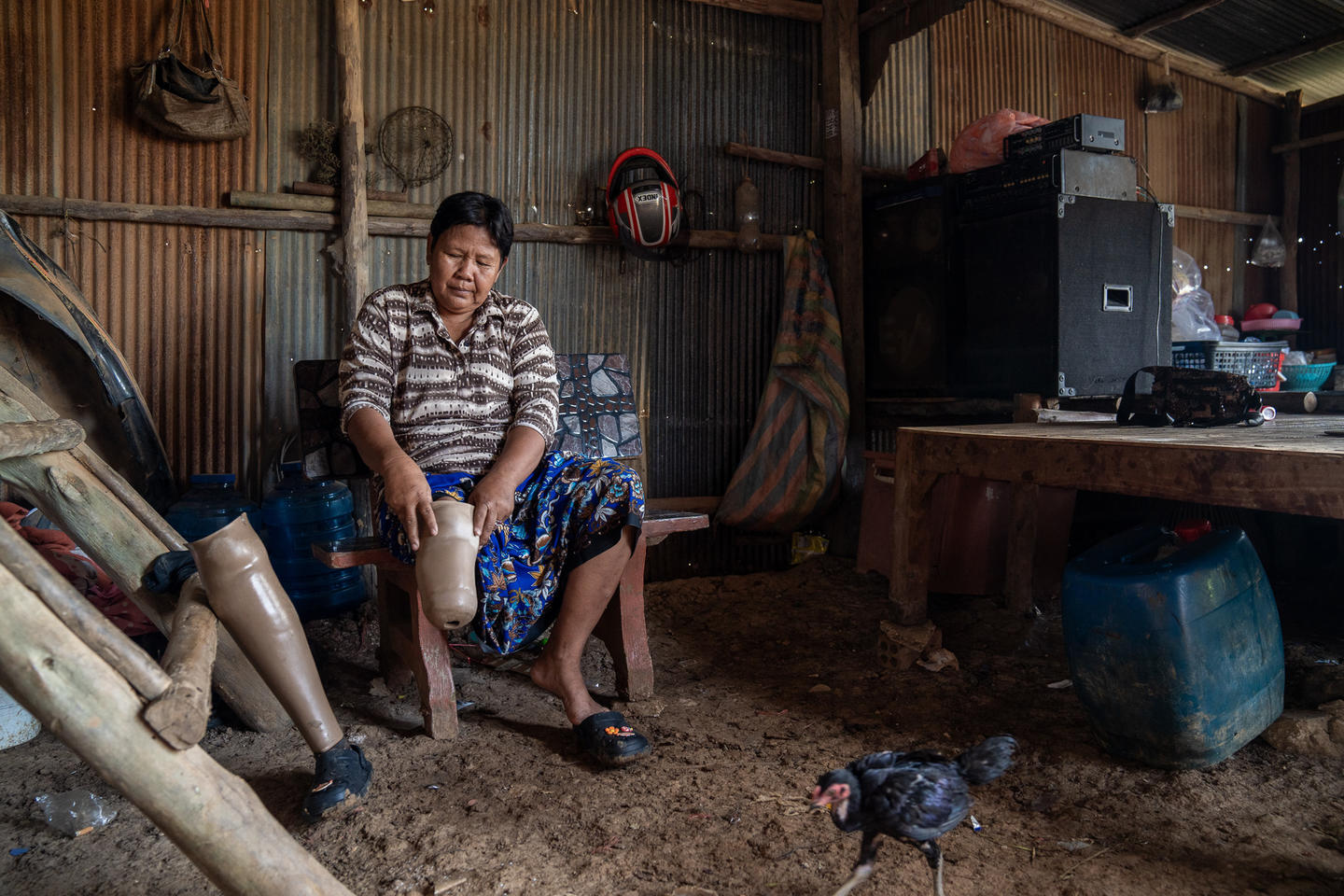
A new study published in the Bulletin of the World Health Organization has raised important concerns about the quality, usability and long-term value of prosthetic limbs delivered through an intensive fitting camp in Cambodia.
The research, titled Quality and user satisfaction scores for prosthetic limbs provided in a fitting camp, Cambodia, assessed prosthetic devices supplied to 525 people during a 2023 camp. The study was conducted by Thearith Heang, Sisary Kheng, Maggie Donovan-Hall, Amos Channon, Alex Dickinson and Carson Harte, with affiliations including Exceed Cambodia, the University of Southampton and Exceed Worldwide.
The findings are significant for the wider prosthetics and orthotics community because fitting camps are often presented as a fast way to reach large numbers of people in low-resource settings. However, this study suggests that speed and scale can create serious risks if device quality, clinical fitting, rehabilitation, follow-up and local service integration are not strong enough.
Many Devices Failed to Meet Expected Standards
The researchers found that many of the prosthetic limbs delivered during the camp did not meet International Society for Prosthetics and Orthotics standards. At the point of discharge, assessments showed dissatisfaction with workmanship in 33% of cases, fit in 57% and function in 26%.
Clinical assessment also identified major technical issues. Only 2.9% of devices were judged to have appropriate general workmanship, while only 8.7% were assessed as having correct socket fit. Dynamic gait and alignment were also judged correct in only 8.7% of cases.
The study included photographs showing examples of poor device design and fabrication quality. These included thick socket walls, rough trim lines, exposed screws, poor cosmesis, poor component alignment, incorrect knee-axis height, sockets positioned in flexion and poorly sized liners or sockets.
Low Use Three Months After Delivery
The three-month follow-up findings were particularly concerning. Among clients reached by telephone, 36% reported discomfort or pain with the new device. Most clients, 81%, said they used the new prosthesis “not very often”, rarely or never. By contrast, 88% of clients who had a previous prosthesis reported using that earlier device often or always.
The study also found that at least 29% of clients continued using a previous device that they had earlier described as unused, broken, painful or poorly fitting. This suggests that some users were left choosing between a new device they did not use and an older device that may also have been unsafe or inadequate.
A further finding was that most clients expressed a preference for a domestically produced device in the future. In the follow-up, 78% of clients said they would prefer a locally produced prosthesis rather than the camp-provided device.
Implications for Low-Resource Rehabilitation Systems
The study does not argue against outreach, international support or high-volume service delivery. Instead, it highlights the need for better safeguards when prosthetic services are delivered through intensive camp models.
For IMEA and other low- and middle-income settings, the message is clear: prosthetic provision cannot be judged only by the number of devices delivered. A limb that is uncomfortable, misaligned, poorly fitted or rarely used is not a successful outcome.
The findings also point to the importance of locally embedded services. Cambodia has a physical rehabilitation network that includes rehabilitation centres and domestically produced polypropylene prosthetic systems, with some components designed for durability in local conditions such as barefoot walking. Exceed Worldwide also states that in Cambodia it trains prosthetist-orthotists and P&O technicians and provides physical rehabilitation services free of charge through three clinics.
Patient Selection, Aftercare and Local Ownership Matter
The researchers concluded that future camps may be more appropriate when patient need is clearly demonstrated, when camps are fully integrated with existing services, and when adequate materials and components are left behind for repairs and replacements. They also emphasized that patient screening is essential, as is engagement with the local practitioners who will continue care after the camp has ended.
This conclusion aligns with broader global guidance. WHO’s standards for prosthetics and orthotics, developed with ISPO, are intended to help countries strengthen high-quality, affordable P&O services across policy, products, personnel and service provision.
For clinicians, donors, NGOs and ministries, the study offers a practical reminder: prosthetic care is not a one-day intervention. It is a clinical process involving assessment, prescription, fitting, alignment, gait training, user education, repair pathways and long-term follow-up.
Why This Matters for IMEA
Across the IMEA region, many countries face a similar challenge: high need for prosthetic and orthotic care, limited numbers of trained professionals, uneven financing and major gaps in rehabilitation access.
Fitting camps can play a useful role in emergency response, conflict recovery or underserved areas, but this study suggests they should not operate as isolated events. They need to be connected to national rehabilitation systems, local P&O teams, long-term maintenance capacity and realistic quality standards.
The Cambodia findings should therefore be read not only as a critique of one service model, but as a warning against measuring success by delivery volume alone. In prosthetics and orthotics, the real measure is whether the person can safely, comfortably and confidently use the device in daily life.