 By
By
Benin is a small but strategically important West African country with a growing population, a developing health system, and an emerging rehabilitation and assistive technology landscape. For prosthetics and orthotics professionals, Benin represents both a challenge and an opportunity: the need for affordable mobility, rehabilitation and assistive technology services is clear, but access remains limited by cost, workforce shortages, infrastructure gaps and uneven availability of specialist care.
The World Bank estimates Benin’s population at around 14.5 million in 2024, with a GDP per capita of approximately US$1,485 and life expectancy of about 61.2 years. These indicators place Benin within the group of lower-middle-income countries where rehabilitation demand is likely to rise as the population grows, chronic disease increases, trauma and road injuries continue, and health systems work to extend services beyond acute care.
Health System and Rehabilitation Context
Benin’s national health priorities are increasingly aligned with broader universal health coverage and health-system strengthening goals. The WHO-Benin Country Cooperation Strategy for 2023–2027 was developed with the Ministry of Health, UN agencies, development partners, civil society and the private sector, and is aligned with Benin’s Government Action Program 2021–2026, National Development Plan 2018–2025 and National Health Development Plan 2024–2030.
For rehabilitation, this policy environment matters. Prosthetics, orthotics, physiotherapy, mobility devices and community-based rehabilitation are often not fully integrated into primary healthcare systems in many low- and middle-income countries. Benin is no exception. Access to rehabilitation remains shaped by geography, household income, availability of trained professionals, and the ability of patients to pay for services.
A 2025 global rehabilitation report highlighted Benin, along with Haiti and Uganda, as an example of a low- and middle-income country where rehabilitation services remain underfunded and overburdened. The broader message is clear: rehabilitation must move from the margins of health systems into routine service delivery, especially at primary and community levels.
Disability and Social Inclusion
Disability inclusion remains a major development issue in Benin. Handicap International / Humanity & Inclusion reports that people with disabilities in Benin continue to face stigma, with disability still sometimes perceived through harmful cultural beliefs as a curse or punishment. HI also notes that access to education, employment and adapted healthcare remains difficult, despite gradual progress through advocacy and awareness-raising.
HI’s work in Benin focuses on improving the quality of life of people with disabilities and promoting participation in economic and social life. Its activities include vocational and economic inclusion, support for inclusive education, family support for children with disabilities, advocacy with authorities and collaboration with organisations of people with disabilities.
For the O&P sector, this reinforces an important point: prosthetic and orthotic care is not only a clinical service. It is also linked to school attendance, employment, family participation, social inclusion and dignity. A child with an appropriate orthosis may be more likely to attend school. An adult amputee with a functional prosthesis may be better able to return to work. A person with mobility impairment may require not only a device, but also follow-up, repairs, gait training, community support and protection from stigma.
Prosthetics and Orthotics Capacity
Benin has an established but limited prosthetics and orthotics service base. A key historical reference for the region is the ISPO impact assessment covering Togo and Benin, which examined the role of graduates from the École Nationale des Auxiliaires Médicaux of Lomé (ENAM), one of the few French-speaking prosthetics and orthotics training institutions in Africa. ENAM has been recognised since 2004 as an ISPO Category II training programme, and its graduates have worked across French-speaking Africa, including Benin.
The ISPO assessment found that ENAM graduates had positively affected the availability of prosthetic and orthotic services and contributed to rehabilitation service development in Benin and Togo, despite challenging economic and social contexts.
The same report gives a useful snapshot of Benin’s public-sector O&P capacity at the time. At the National University Hospital Centre in Cotonou, the prosthetics and orthotics department had seven staff, including one ISPO Category II orthopaedic technologist and one orthopaedic shoemaker, with physiotherapy services provided by the hospital’s physiotherapy department.
This illustrates a wider issue across many West African countries: O&P services exist, but are often concentrated in a small number of centres, dependent on a limited workforce, and vulnerable to shortages of components, materials, training opportunities and funding.
Assistive Technology and Evidence Gaps
Benin is also beginning to appear more clearly in the assistive technology research landscape. A 2024 research protocol published in JMIR Research Protocols set out a cross-sectional study to evaluate the impact of assistive technologies on individuals with disabilities in Benin. The study planned to use WHO’s rapid Assistive Technology Assessment tool and other measures to assess satisfaction, psychosocial impact, functional benefits, wellbeing and quality of life among assistive technology users.
The authors noted that, to their knowledge, there was no existing data on assistive technology use in Benin, despite an increase in the number of people with disabilities recorded in successive censuses. This lack of local evidence is important because assistive technology programmes cannot be planned effectively without understanding who uses devices, what devices are needed, whether devices are appropriate, and why some are abandoned or underused.
For prosthetics and orthotics, better data could support:
- More accurate estimates of prosthetic and orthotic need
- Stronger planning for public-sector and NGO-supported services
- Better component and material supply chains
- More appropriate device design for local climates and daily environments
- Improved follow-up, repair and maintenance models
- Stronger arguments for government and donor investment
Emerging Local and International Initiatives
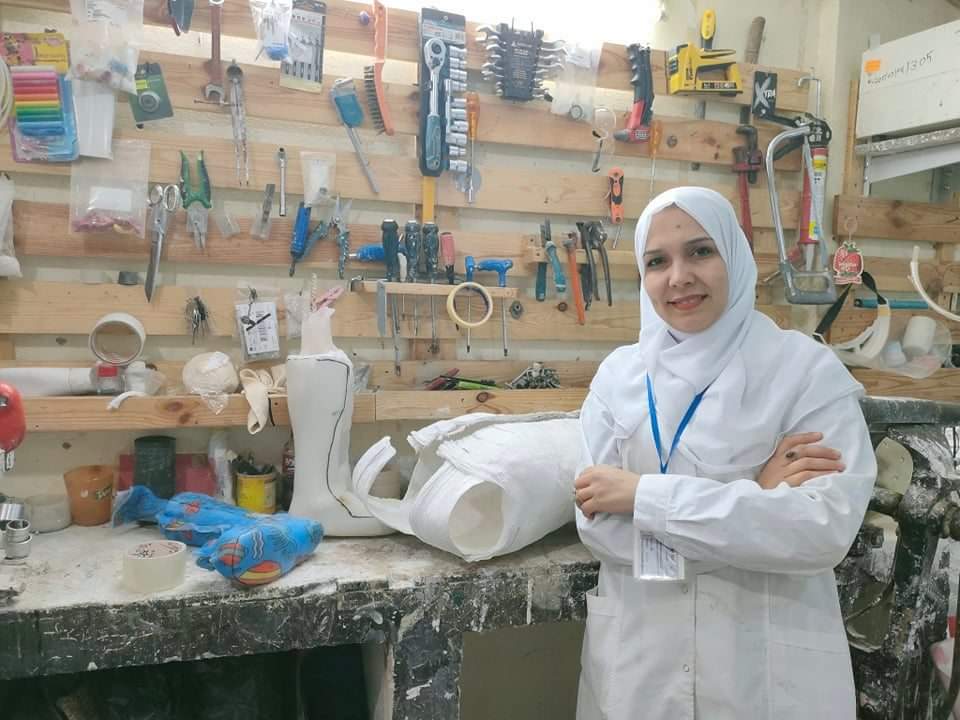
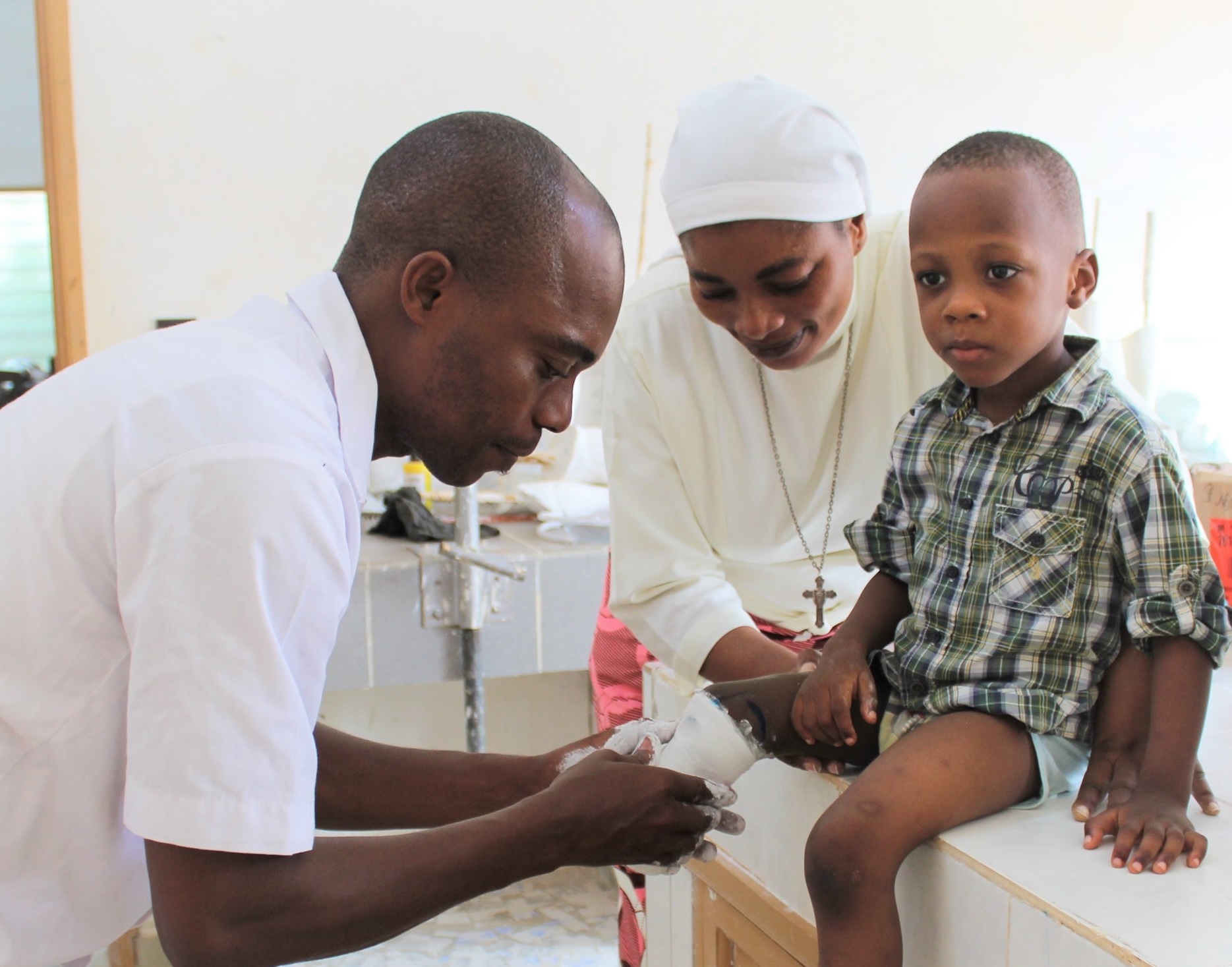
Benin also has examples of practical O&P development driven by local professionals and international collaboration. SwissABILITY’s Re-Ability Benin project, based in Parakou, works with A2D Prosthetics and describes Benin’s rehabilitation situation as “particularly critical” because healthcare is fee-based, excluding many families from treatment, while local infrastructure and accessible materials for prosthetics and orthotics remain limited.
The project supports the introduction of innovative, low-cost technology and donated materials and components to help provide rehabilitation services for at least 50 amputees in need of care.
These types of initiatives show the importance of decentralised capacity. While Cotonou remains the main economic and health hub, cities such as Parakou are vital for extending access beyond the south of the country. For many patients, the cost of travel, accommodation and repeat visits can be as significant a barrier as the price of the prosthesis or orthosis itself.
Key Challenges for O&P and Rehabilitation in Benin
Benin’s prosthetics, orthotics and rehabilitation sector faces several common but serious constraints:
- Limited number of trained prosthetic and orthotic professionals
- Concentration of specialist services in urban or hospital-based centres
- High out-of-pocket costs for patients and families
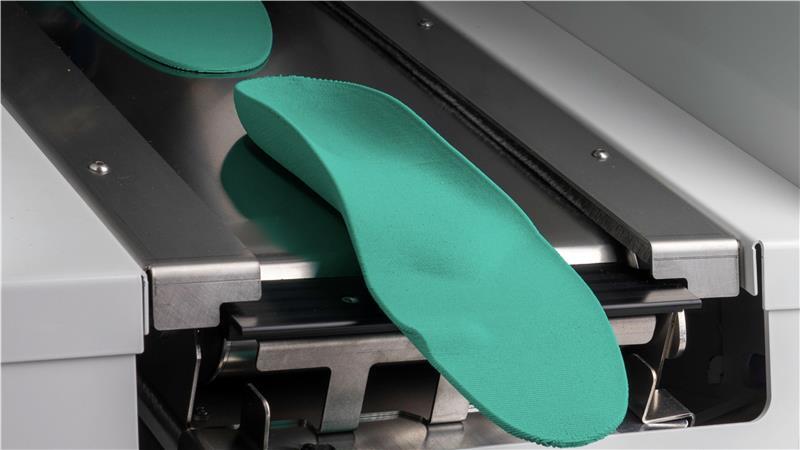
- Limited access to prosthetic and orthotic components, EVA, polypropylene, resins, foams and workshop materials
- Need for stronger referral pathways between hospitals, physiotherapy, community services and O&P providers
- Limited national data on assistive technology users and unmet need
- Ongoing stigma and social exclusion affecting people with disabilities
- Need for continuing professional development and updated clinical standards
These challenges are not unique to Benin. They reflect wider barriers across many low- and middle-income rehabilitation systems. However, Benin’s relatively small population, regional links with Francophone West Africa, and existing training connections through ENAM graduates give the country a realistic platform for targeted improvement.
Opportunities for Development
Benin has several opportunities to strengthen prosthetics, orthotics and rehabilitation access over the coming years.
First, rehabilitation should be further integrated into national health planning and universal health coverage discussions. The WHO-Benin Country Cooperation Strategy already aligns with national health development priorities, creating a policy opening for stronger rehabilitation and assistive technology inclusion.
Second, Benin could benefit from more structured workforce development. This includes support for orthopaedic technologists, prosthetists, orthotists, physiotherapists, rehabilitation doctors, occupational therapists, community rehabilitation workers and technicians. Continuing professional development is especially important where services depend on a small number of experienced practitioners.
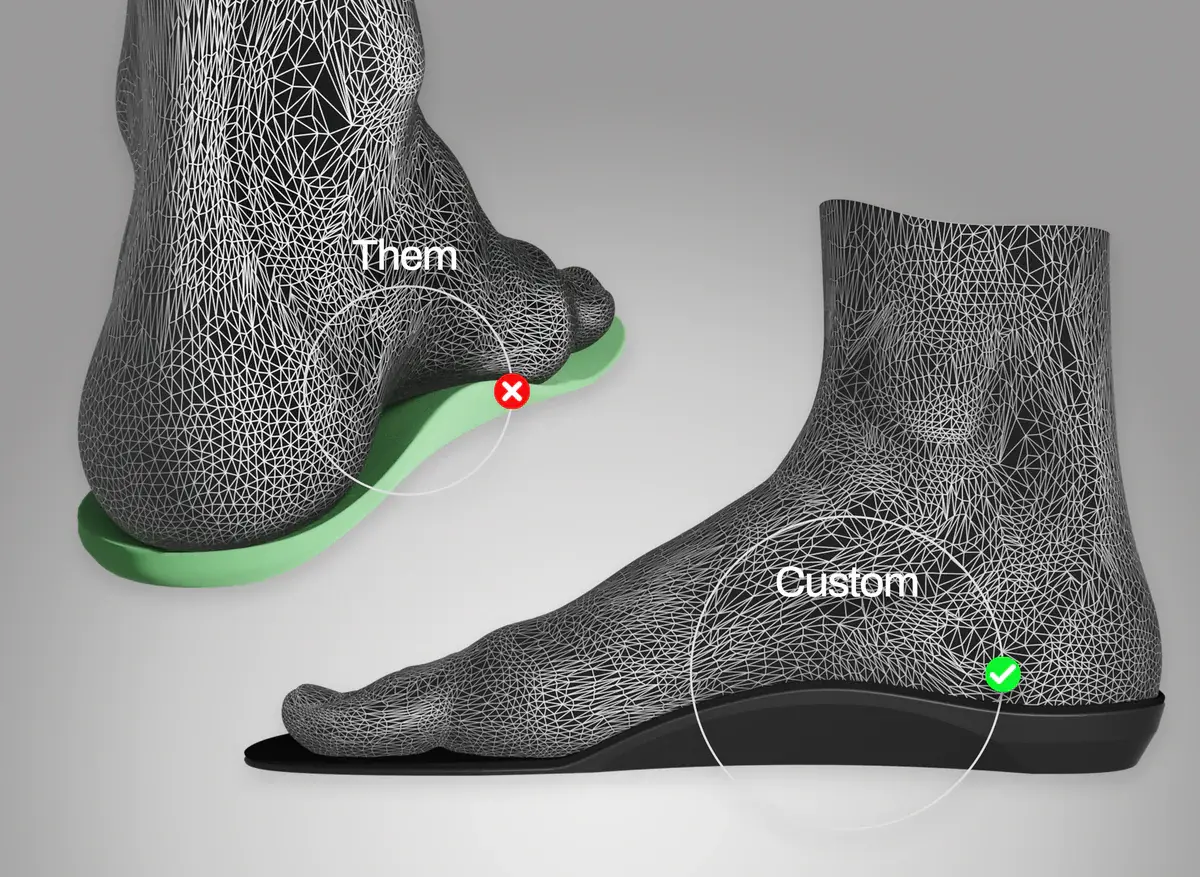
Third, there is a strong case for practical, lower-cost digital and workshop innovation. Appropriate 3D scanning, CAD modification, low-cost orthotic fabrication, modular prosthetic systems, local repair capacity and mobile outreach models could help reduce access barriers when introduced carefully and with training.
Fourth, Benin’s disability inclusion organisations and NGOs provide an important base for community engagement. Prosthetic and orthotic services are more likely to succeed when users are involved in device selection, follow-up, maintenance planning and feedback.
Finally, the emerging research on assistive technology use in Benin could become a valuable foundation for policy and investment. Better data can help government, NGOs, donors and professional bodies make stronger decisions about where services are needed and how they should be funded.
Outlook
Benin’s prosthetics and orthotics landscape remains under-resourced, but it is not starting from zero. The country has public-sector service experience, regional workforce links, NGO engagement, local O&P initiatives, and growing attention to assistive technology evidence.
The next stage should focus on building a more connected rehabilitation system: one that links hospitals, community services, O&P workshops, disability organisations, training institutions and policy-makers. For Benin, as for many countries in West Africa, the goal is not simply to produce more devices. It is to build sustainable access to appropriate, affordable and user-centred rehabilitation services that allow people with disabilities to participate fully in family, education, work and community life.
- World Bank Benin country overview
- WHO Benin Country Cooperation Strategy 2023–2027
- Handicap International / Humanity & Inclusion Benin
- ISPO Prosthetics and Orthotics Impact Assessment: Togo and Benin
- JMIR Research Protocols: Assistive Technologies in Benin
- SwissABILITY Re-Ability Benin
- WHO Rehabilitation 2030 Initiative
- WHO and UNICEF Global Report on Assistive Technology
- International Society for Prosthetics and Orthotics