 By
By
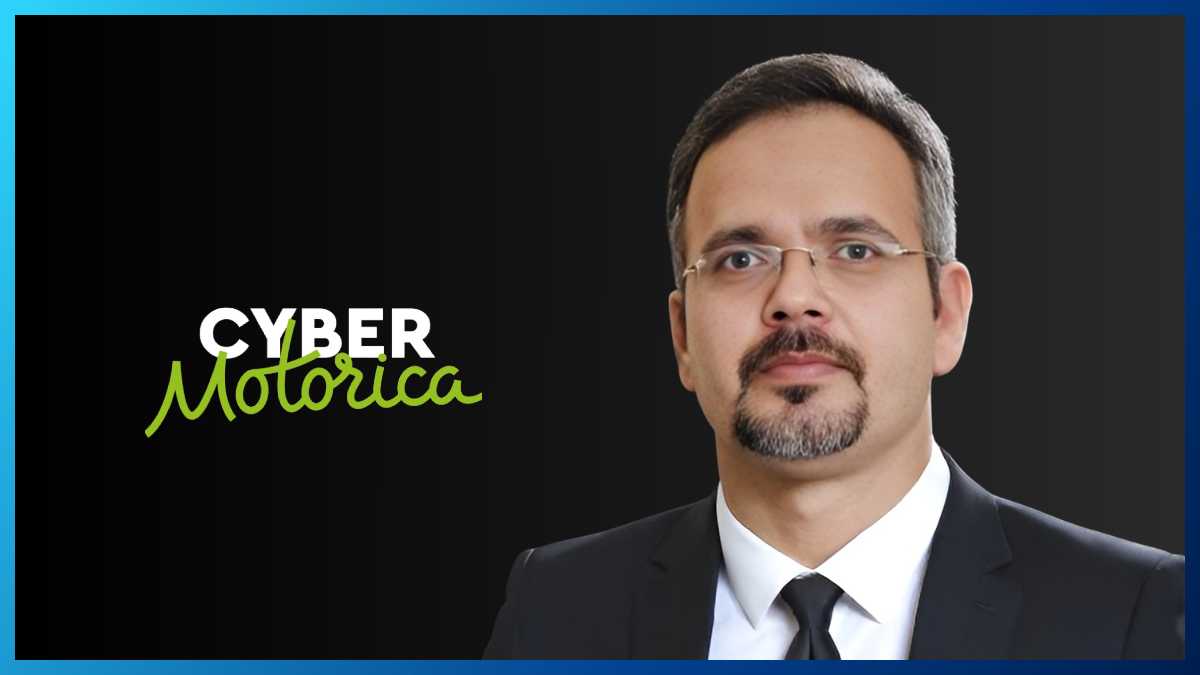
With over two decades of leadership experience in the medical devices and healthcare technology sector, Kavinder Beniwal, Chief Operating Officer at Motorica India, has played a pivotal role in bringing advanced, patient-centric innovations to markets across Asia-Pacific. In this exclusive interaction with IndiaMedToday, Mr. Beniwal discusses how Motorica is building a technology-driven prosthetics ecosystem in India—from its Digital Prosthetics Program and optical sensor–enabled Omni Hand to plans for local manufacturing and paediatric-focused solutions.
1. What motivated the decision to open the first direct office of Motorica in New Delhi and how do you see this impacting India’s prosthetics market?
India is a long-term strategic market for Motorica due to its large unmet need for prosthetic care and its growing openness to digital health solutions. Opening our New Delhi office in 2025 allowed us to work closer with patients, clinicians, and partners, accelerate the adoption of advanced prosthetics, and support the development of a more accessible, technology-driven prosthetics ecosystem in India.
2. Can you describe how the Digital Prosthetics Program leverages 3D technologies to transform prosthetic fitting and customization for patients?
Motorica continues to advance solutions that improve access to prosthetic care in India. Our recently introduced digital prosthetics program enables clinics, including those in smaller cities, to replace plaster casting with 3D scanning and basic measurements available even on smartphones, making the fitting process faster, more accurate, and easier to implement. Combined with customized design, intuitive control systems, and durable materials, this approach lowers technical and clinical barriers, shortens rehabilitation timelines, improves long-term outcomes, and makes high-quality prosthetic care more scalable and inclusive.
3. How is collaboration with over 25 clinics and universities in India advancing innovation and improving patient care?
Through partnerships with already more than 34 clinics, hospital groups, and NGOs, we co-develop locally adapted solutions, train prosthetists, and continuously improve clinical protocols. This collaborative model strengthens our innovation while ensuring that patient care reflects in the real-world clinical and cultural needs.
4. What challenges have you encountered in implementing digital and cybernetic prosthetic devices in India’s healthcare landscape?
Key barriers in remote regions include high costs, limited clinical infrastructure, uneven rehabilitation services, and a shortage of trained prosthetists. Imported advanced prosthetics are often unaffordable, and the lack of local fitting centers delays care and maintenance. Motorica addresses these challenges with a broad product range, clinician training, partnerships with hospitals and NGOs, and a growing Digital Prosthetics Program. Planned local manufacturing will further reduce costs, improve service, and expand access beyond major cities.
5. In light of the rapid growth in India, what long-term vision is there for transforming the prosthetics industry in the region?
Our vision is to help build India into a regional hub for modern prosthetics, rehabilitation expertise, and MedTech innovation—expanding clinical access, strengthening training, and ensuring that advanced prosthetic solutions are both practical and accessible for patients. Our devices are already more affordable than many foreign alternatives, and we plan to localize production of key products to further reduce costs while maintaining global quality standards.
6. How do the optical sensor technologies, such as those in the Omni Hand, differentiate your prosthetics in terms of user control and experience?
Optical sensor technology used in the Omni Hand prosthesis enables highly intuitive control by detecting micro-movements of muscles and tendons rather than relying solely on electrical signals. This allows smoother, more predictable movements and enables users, including those with weakened muscles to perform complex gestures naturally and confidently. It also recognizes “phantom” gestures — movements imagined with a missing hand and reproduces them in real time. Unlike most prostheses, it can store up to six gestures and execute them seamlessly in any order. Its adaptive support system learns alongside the user, improving accuracy, responsiveness, and control over time.
7. In what ways are you working to make high-tech prosthetic solutions both affordable and accessible to a broad range of patients in India?
Advanced prosthetic devices are expensive, so we aim to address affordability in India by:
— Wide range: we offer the widest portfolio in India, with products across multiple price segments to fit different budgets.
— Lower cost: our devices are significantly more affordable than European or American alternatives, without compromising on quality.
— Local production (coming soon): to further reduce costs and increase accessibility, we plan to localize production of our most popular and in-demand products in India.
8. What role do strategic partnerships with Indian healthcare providers and research institutions play in accelerating growth in the region?
Partnerships are central to our strategy. They help us scale responsibly, adapt technologies to local conditions, improve rehabilitation outcomes, and align with national healthcare priorities. We are actively engaging with local clinicians, rehabilitation specialists, and NGOs. We are also building contact with state-level agencies to align on programs that increase access to advanced prosthetics. This includes training and sharing global best practices.
9. How do you incorporate feedback from Indian users to refine and enhance prosthetic products and services?
We collect structured feedback through partner clinics, prosthetic specialists, and direct user interactions. This input informs design adjustments, functional improvements, durability testing, and aesthetic customization tailored to Indian users’ lifestyles and environments.
10. How does the philosophy of “cyber-human” integration influence your approach to product innovation and patient empowerment?
The cyber-human philosophy focuses on seamless integration between human intent and technology. Our goal is not just to replace a limb, but to restore agency, confidence, and independence—making prosthetics feel like an extension of the person rather than a medical device.
11. What sets your prosthetic devices apart through the use of advanced manufacturing technologies like SLS laser sintering, robotics, and microelectronics?
All devices are lightweight, durable and certified. Our prosthetics enable a wide range of everyday tasks-from basic actions like cooking, typing, and dressing to complex hobbies like painting, playing music, or gardening-restoring independence, confidence, and quality of life. Customisation is also a core part of our design philosophy, including natural skin tone finishes, personalised colours, and functional configurations based on the patient’s lifestyle.
12. How are you addressing the unique needs of children and young adults with limb differences through design and customization?
Motorica is the only company globally developing prosthetics for children starting from the age of two. Our pediatric devices are designed to support play, learning, and everyday activities while adapting as the child grows—both physically and emotionally.
13. Are there plans to establish local manufacturing or R&D facilities in India?
Yes. India is one of the world’s largest and fastest-growing prosthetic markets, with an increasing amputee population estimated at around 1 million individuals, with dozens of thousands added each year. So moving toward local manufacturing for key devices is part of our roadmap. This will help reduce costs, shorten lead times, and strengthen India’s role as a long-term production and innovation hub for Motorica in South-East Asia.
14. Reflecting on the past year, what significant milestones and learnings have shaped Motorica’s journey in India, and what are your priorities for the coming year?
Key milestones include opening our New Delhi office, expanding our clinical and partner network, and scaling the Digital Prosthetics Program. Looking ahead, our priorities are to deepen clinical reach in North and South India, strengthen rehabilitation support, and prepare the market for next‑generation innovations as affordability and training mature. New projects include the wider rollout of the Digital Prosthetics Program, the introduction of Omni Hand—the world’s first bionic hand with optical sensors—into the Indian market, and, in the foreseeable future, the launch of lower‑limb prosthetic solutions tailored for India.

.jpeg)

-1.png "Gaza Fund (1)-1")