 By
By
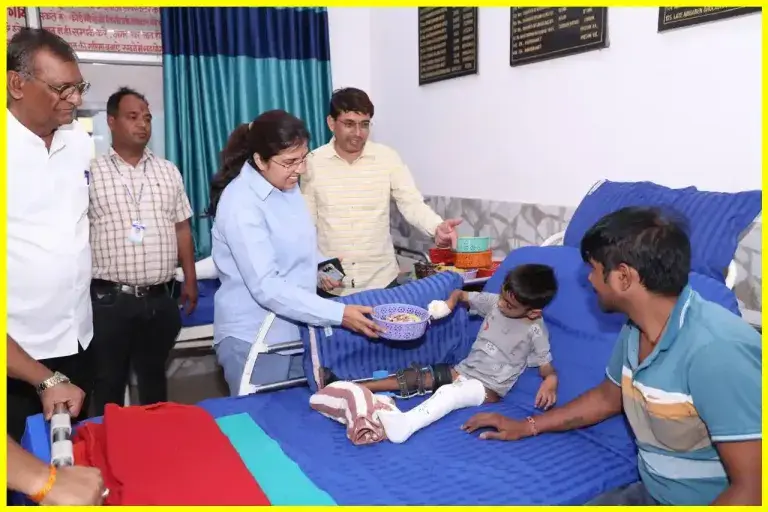
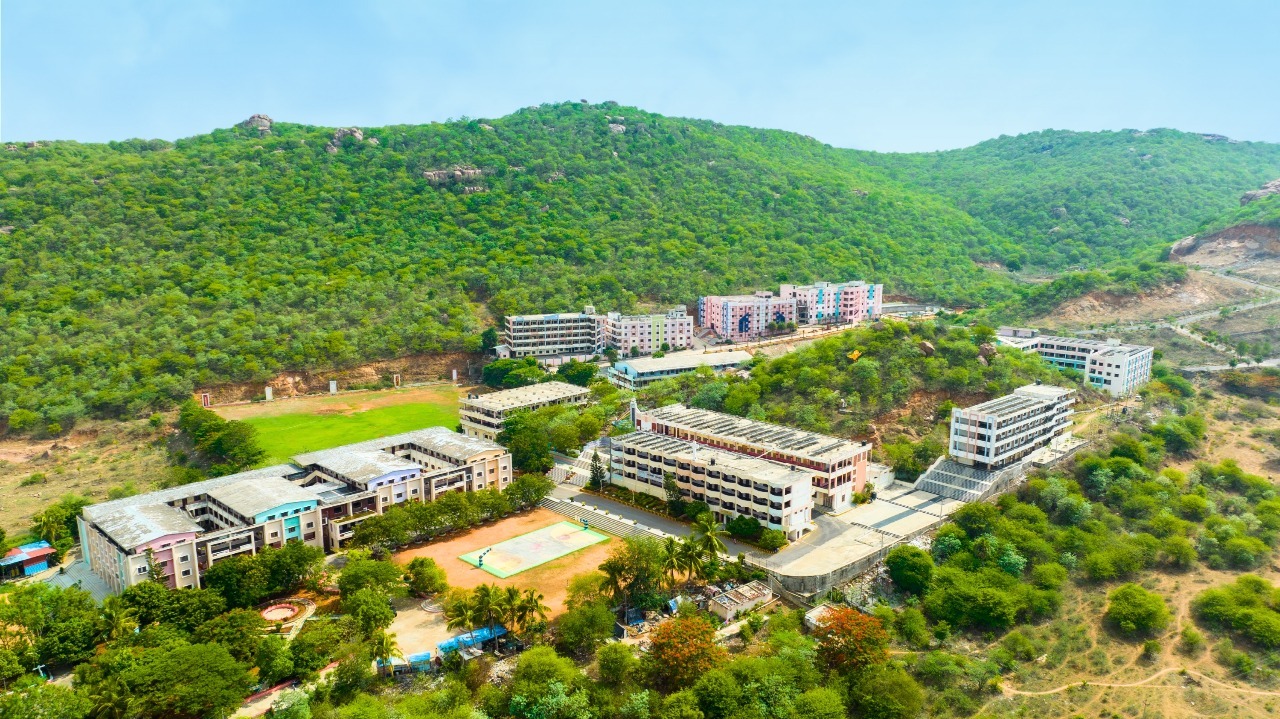
Narayan Seva Sansthan has hosted a free surgical camp for 101 specially-abled individuals at its Seva Teerth campus in Udaipur, Rajasthan. The camp was inaugurated by Swati Sharma, Additional Superintendent of Police of the Anti-Terrorism Squad, with institutional leaders, medical personnel and public representatives present for the programme.
According to the report by Udaipur Kiran, Narayan Seva Sansthan President Prashant Agarwal briefed guests on the institution’s future plans, while senior team members including Public Relations Head Bhagwan Prasad Gaur, Vishnu Sharma Hitaishi and Mahim Jain welcomed the visiting dignitaries. Dr Manas Ranjan Sahu, senior unit head Anil Acharya, Rakesh Sharma and other dignitaries were also present.
For India’s prosthetics, orthotics and rehabilitation community, the camp is more than a charitable medical event. It reflects a continuing national challenge: many children and adults with physical disabilities still require access to corrective surgery, orthotic support, prosthetic services, physiotherapy, mobility training and long-term rehabilitation follow-up.
Corrective Surgery as Part of a Wider Rehabilitation Pathway
Narayan Seva Sansthan describes its corrective surgery programme as a free-of-cost service for people with disabilities, including those affected by congenital conditions and other physical impairments. Its stated aim is to help specially-abled people stand and walk more independently through treatment, surgery and rehabilitation support.
This distinction is important. Corrective surgery alone does not complete the rehabilitation journey. A patient may also require:
- Pre-operative assessment
- Post-operative physiotherapy
- Orthotic bracing or splinting
- Gait training
- Mobility aids
- Prosthetic or orthotic review
- Family education
- Follow-up appointments
- Long-term maintenance and adjustment
For many patients, especially those from low-income households or rural areas, the barrier is not only the cost of surgery. It is the entire pathway around surgery: travel, accommodation, post-operative care, assistive devices, loss of income and repeat visits.
The Role of Narayan Seva Sansthan in Disability Care
Narayan Seva Sansthan, based in Udaipur, has become one of India’s better-known disability-focused charitable organisations. Its services include free corrective surgeries, physiotherapy, post-operative care, vocational training and support for social and economic reintegration. The organisation describes its model as a “journey” that includes transportation from Udaipur Railway Station, surgery, physiotherapy, vocational training and self-employment support.
This model is relevant because physical rehabilitation is not only a medical issue. A child who receives corrective surgery may need support to return to school. An adult who receives a prosthetic limb may need training to return to work. A person recovering from disability-related surgery may require both mobility support and livelihood support to rebuild independence.
For prosthetic and orthotic professionals, this reinforces the importance of multidisciplinary care. Surgery, bracing, prosthetics, physiotherapy and vocational reintegration should not operate as disconnected services.
Prosthetics, Orthotics and Artificial Limb Services
Beyond corrective surgery, Narayan Seva Sansthan also runs artificial limb services. The organisation states that it has a fully equipped Narayan artificial limbs workshop that provides customised prosthetic limbs to amputees, with a measurement process followed by prosthetic limb provision in a short timeframe. It also organises artificial limb measurement and distribution camps in different parts of India to reach people who may not be aware of, or able to access, services in Udaipur.
This outreach model is highly relevant for India’s O&P sector. India’s geography, population size and income disparities mean that centralised prosthetic and orthotic services cannot meet all needs. Camps can help identify patients, provide basic assessment and connect communities to specialist services, but they must be supported by quality control, clinical follow-up and repair pathways.
A prosthetic limb or orthosis should not be treated as a one-time distribution item. Devices require fitting, alignment, gait training, skin checks, comfort review, repairs and eventual replacement. This is especially important for children, whose growth can quickly make an orthosis or prosthesis unsuitable.
Why Free Camps Still Matter
Free surgery and rehabilitation camps continue to play an important role in India because many patients with disabilities face multiple access barriers at once. These may include:
- Cost of surgery or assistive devices
- Distance from specialist hospitals or workshops
- Lack of awareness about available treatment
- Limited access to orthopaedic, rehabilitation or O&P specialists
- Loss of daily wages during treatment
- Transport and accommodation costs
- Social stigma linked to disability
- Lack of long-term follow-up in rural areas
In this context, a free camp can act as an entry point into care. It can identify patients, assess surgical needs, provide treatment and connect individuals to rehabilitation services. However, the long-term impact depends on what happens after the camp.
The Importance of Post-Operative Rehabilitation
Post-operative rehabilitation is essential after corrective surgery. Without physiotherapy, bracing, strengthening, gait training and review, surgical gains may be limited. Narayan Seva Sansthan’s own service pathway includes physiotherapy and post-operative care as part of its wider support model.
For the O&P sector, this is a key message. Orthoses may be needed to protect surgical correction, support alignment, prevent recurrence or help patients regain mobility. In some cases, patients may need AFOs, KAFOs, spinal orthoses, special footwear, insoles, walking aids or seating support. Where limb loss is involved, prosthetic fitting and rehabilitation become central to restoring mobility.
This is why disability surgery camps should be viewed as part of a broader rehabilitation system rather than isolated events.
A Wider Lesson for India’s Rehabilitation Sector
India has a large and diverse rehabilitation landscape, with public hospitals, charitable organisations, private clinics, NGOs, academic centres and local workshops all playing important roles. Narayan Seva Sansthan’s free surgery camp highlights the continuing importance of charitable and mission-driven services, especially for people who are excluded from formal healthcare access because of poverty or geography.
At the same time, India’s rehabilitation sector needs stronger pathways that connect:
- Community identification
- Surgical assessment
- Corrective surgery
- Prosthetic and orthotic provision
- Physiotherapy
- Occupational therapy
- Mobility training
- Assistive technology
- Education and employment support
- Long-term device review and repair
The future of disability care in India should combine the reach of camps with the consistency of structured rehabilitation systems.
Outlook
Narayan Seva Sansthan’s free surgery camp for 101 specially-abled individuals in Udaipur is a reminder that accessible disability care remains a major need in India. For many patients, free corrective surgery can be life-changing. But the greatest impact comes when surgery is connected to rehabilitation, prosthetics, orthotics, physiotherapy, assistive technology and social reintegration.
For the IMEA CPO community, the lesson is clear: restoring mobility requires more than one intervention. It requires a pathway of care that starts with access, continues through clinical treatment and ends only when the person can participate more fully in daily life, education, work and community.
Narayan Seva Sansthan’s model shows how charitable healthcare, rehabilitation services and disability inclusion can work together. The next challenge is ensuring that every patient who enters such a camp receives not only treatment, but also the long-term support needed to maintain function, independence and dignity.
- Original article: Udaipur Kiran – Narayan Seva Sansthan Hosts Free Surgery Camp
- Narayan Seva Sansthan official website
- Narayan Seva Sansthan corrective surgery programme
- Narayan Seva Sansthan artificial limb camp
- WHO Rehabilitation 2030 Initiative
- WHO and UNICEF Global Report on Assistive Technology
- International Society for Prosthetics and Orthotics