 By
By
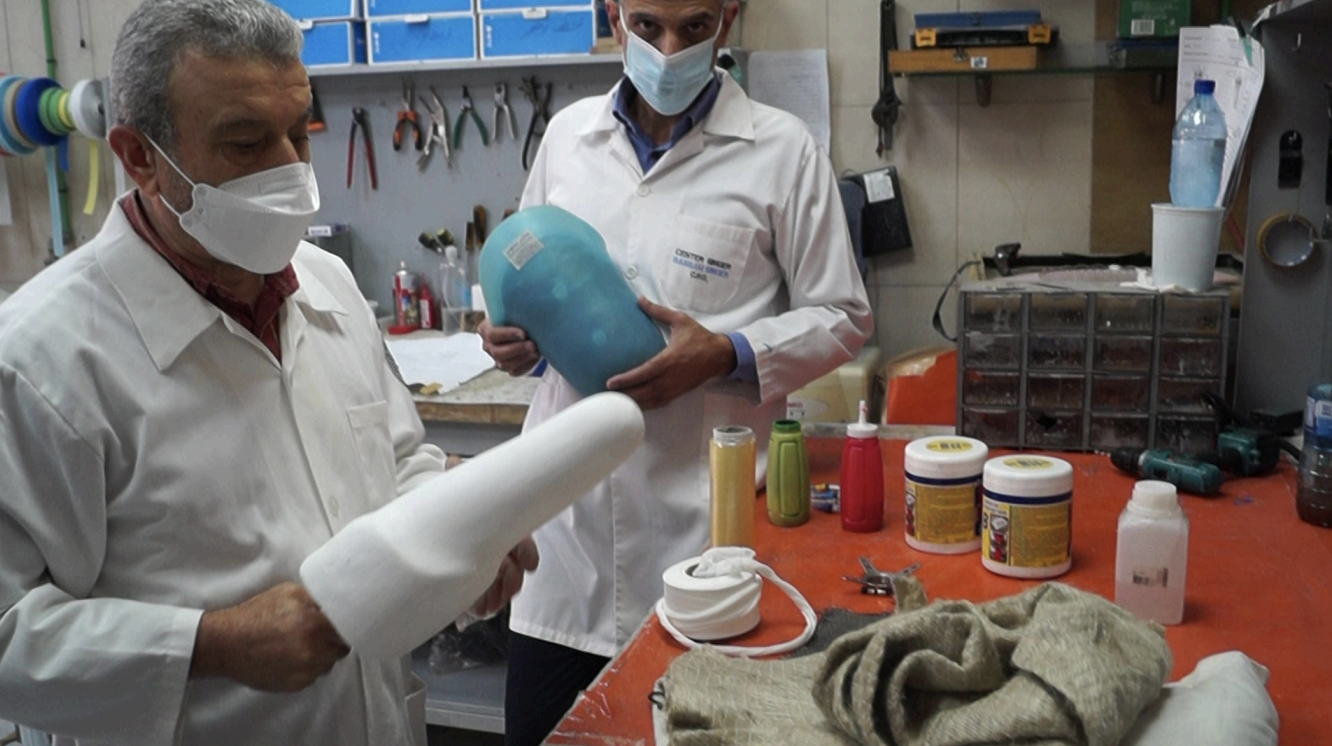
Fragmented funding, humanitarian demand, and private sector provision shape the rehabilitation landscape
Lebanon’s orthotics and prosthetics sector operates through a mixed system that includes government hospitals, private clinics, humanitarian organisations, and NGO-supported rehabilitation centres. Demand for prosthetic limbs, orthoses, and assistive devices is driven by diabetes, trauma, conflict-related injuries, aging, and the presence of large refugee populations. While the country has experienced strong professional development in the past, the economic crisis since 2019 has significantly affected access to rehabilitation and O and P services.
Prevalence and demand drivers (key statistics)
Persons with disabilities
Estimates suggest that around 10 to 15 percent of the population in Lebanon lives with a disability, although official registries record fewer individuals. In 2021, approximately 113,000 disability cards had been issued, while actual need may be closer to 400,000 people.
https://www.hi.org/sn_uploads/document/Briefing-paper_Rehabilitation_Lebanon_September-2023_Final-Version.pdf
https://gsdrc.org/publications/situation-of-persons-with-disabilities-in-lebanon/
Diabetes and limb loss risk
Diabetes prevalence in Lebanon is estimated at 12.3 percent of adults, with more than 439,000 people living with the condition. Diabetes remains one of the leading causes of lower-limb amputation in the country.
https://idf.org/our-network/regions-and-members/middle-east-and-north-africa/members/lebanon/
https://www.emro.who.int/emhj-volume-18-2012/issue-12/01.html
Amputations and rehabilitation need
Studies show that diabetes accounts for the majority of amputations, and access to rehabilitation services is often limited by cost, transportation, and shortages of specialised care.
https://pmc.ncbi.nlm.nih.gov/articles/PMC9063244/
Humanitarian and refugee-related demand
Lebanon hosts large numbers of Syrian and Palestinian refugees, increasing the need for prosthetic, orthotic, and rehabilitation services, particularly for war injuries and chronic conditions.
https://worldrehabfund.org/what-we-do/lebanon/
Lebanon O and P system snapshot
Lebanon has no fully unified national prosthetic and orthotic system. Services are delivered through multiple payers and providers, including the Ministry of Public Health, Ministry of Social Affairs, National Social Security Fund, military health services, private clinics, and international NGOs.
A national benchmark study supported by the ICRC, Ministry of Public Health, University of Balamand, and the Lebanese Syndicate of Prosthetics and Orthotics highlighted the need for stronger regulation, updated reimbursement lists, and improved coordination across providers.
https://moph.gov.lb/en/Media/view/53834/benchmark-statement-prosthetics-and-orthotics-services-in-lebanon
https://disability-hub.com/wp-content/uploads/2021/03/Benchmark_ICRC_Eng_A4_RS.pdf
Rehabilitation services have been further strained by the economic crisis, the Beirut explosion, and regional instability, increasing reliance on international support.
https://www.hi.org/sn_uploads/document/Briefing-paper_Rehabilitation_Lebanon_September-2023_Final-Version.pdf
Top orthotic and prosthetic service providers in Lebanon
1) ICRC Physical Rehabilitation Programme – Saida and partner centres
The International Committee of the Red Cross supports prosthetic and orthotic services in cooperation with Lebanese health authorities and local partners.
https://www.icrc.org/en/article/physical-rehabilitation-hope-syria
https://disability-hub.com/wp-content/uploads/2021/03/Benchmark_ICRC_Eng_A4_RS.pdf
2) Lebanese Red Cross rehabilitation and orthopedic workshop
The Lebanese Red Cross operates rehabilitation and orthopedic support services and works with international partners to provide mobility aids.
https://www.redcross.org.lb/
https://en.wikipedia.org/wiki/Lebanese_Red_Cross
3) World Rehabilitation Fund partner clinics network
WRF coordinates prosthetic, orthotic, and rehabilitation services across multiple facilities serving Lebanese citizens and refugees.
https://worldrehabfund.org/what-we-do/lebanon/
4) Private prosthetic and orthotic clinics (Beirut, Tripoli, Saida, Zahle)
Lebanon has a number of private providers delivering prosthetic, orthotic, and orthopaedic footwear services, often working with third-party payers or NGOs.
5) NGO and humanitarian rehabilitation centres
Several centres supported by international donors provide prosthetic and orthotic care, particularly for refugees and low-income patients.
https://www.hi.org
https://www.icrc.org
Education and training initiatives
Lebanon has historically been one of the few countries in the region with structured prosthetics and orthotics training.
Key initiatives include:
University of Balamand – Prosthetics and Orthotics education and sector development projects
The university has been involved in national O and P development projects and professional training in cooperation with the ICRC and Ministry of Public Health.
https://moph.gov.lb/en/Media/view/53834/benchmark-statement-prosthetics-and-orthotics-services-in-lebanon
ICRC and international training programmes
Technical training for prosthetic and orthotic technicians is often provided through international rehabilitation programmes and humanitarian projects.
Regional training links
Lebanese clinicians frequently train in Jordan, Europe, or other Middle East countries due to limited local capacity.
Despite these initiatives, the economic crisis has reduced opportunities for education and workforce development.
Reimbursement and funding model
Reimbursement for orthotic and prosthetic devices in Lebanon is fragmented and depends on the patient’s insurance or funding source.
Possible payers include:
- Ministry of Public Health
- Ministry of Social Affairs
- National Social Security Fund (NSSF)
- Military health services
- Private insurance
- NGOs and humanitarian programmes
The Ministry of Public Health maintains a product price list for reimbursement, but it has not been updated for many years, creating difficulties for providers and limiting access to modern devices.
https://disability-hub.com/wp-content/uploads/2021/03/Benchmark_ICRC_Eng_A4_RS.pdf
Many patients must pay out of pocket, and the current economic situation has significantly reduced affordability.
Key challenges
- Economic crisis affecting healthcare funding
- Fragmented reimbursement system
- High demand from refugees and war-injured patients
- Limited updated price lists for devices
- Shortage of trained professionals
- Dependence on humanitarian support
Growth opportunities
- Updating national reimbursement schedules
- Expanding ISPO-level education programmes
- Strengthening cooperation with NGOs and universities
- Developing local manufacturing capacity
- Improving diabetic foot and rehabilitation pathways
- Creating national data systems for disability and prosthetic care
IMEA CPO outlook
Lebanon remains one of the most experienced but financially challenged O and P markets in the IMEA region. The country has strong professional expertise and a history of collaboration with international rehabilitation organisations, but economic instability and fragmented funding continue to limit access to care.
Future development will depend on restoring reimbursement systems, strengthening education, and improving coordination between government, private providers, and humanitarian organisations to ensure sustainable prosthetic and orthotic services for both Lebanese citizens and refugee populations.