 By
By
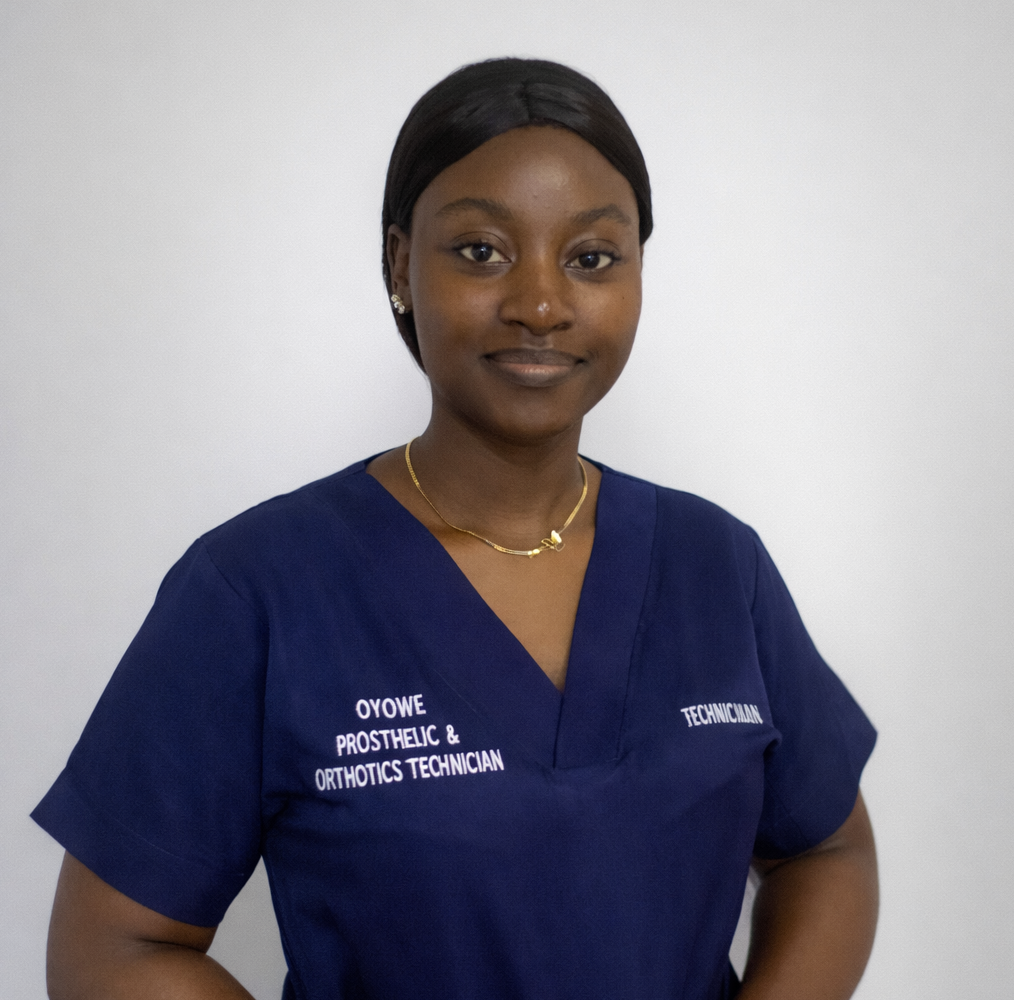
I graduated in 2023 from Prosthetics and Orthotics at the Federal College of Orthopaedic Technology, Igbobi, Lagos, Nigeria. I currently work as a Prosthetist and Orthotist at Hinaricare Prosthetics, Lagos, Nigeria.
What do you claim is your speciality - your O&P passion?
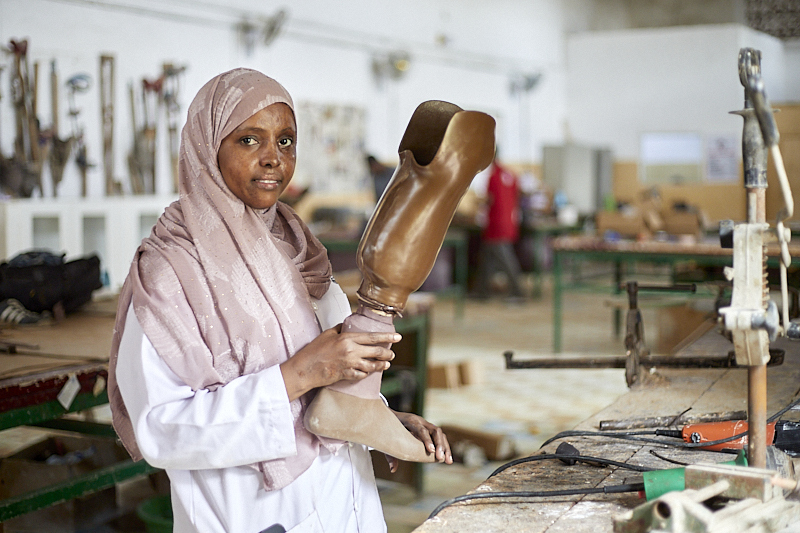
My speciality is in lower limb prosthetics. I am particularly passionate about prosthetic fitting, alignment, and gait training, especially for transfemoral (above-knee) amputees, with a focus on helping patients regain mobility, confidence, and independence.
Beyond clinical practice, I have a strong interest in improving prosthetic and orthotic care through better use of materials, particularly thermoplastics, and exploring ways to make devices more accessible and adaptable in low-resource settings.
I am also interested in enhancing patient engagement during rehabilitation by encouraging consistency, confidence, and active participation throughout the recovery process.
Overall, my passion lies in combining clinical skill with practical solutions that improve patient outcomes and quality of life.
What do you like most about practicing O&P?
What I enjoy most about practicing Prosthetics and Orthotics is the direct impact it has on a patient’s life. Being able to restore mobility and support patients as they regain independence is very fulfilling.
I also appreciate the combination of technical skill and patient interaction involved in O&P, as each case presents a unique challenge that requires both clinical reasoning and hands-on problem-solving.
What frustrates you about O&P?
One of the major challenges in O&P practice is the limited access to affordable materials and advanced components, particularly in developing settings.
This often affects the range of solutions that can be offered to patients and highlights the need for more sustainable and locally adaptable approaches within the field.
What is your greatest patient story in O&P?
One of my most memorable experiences was working with a transfemoral amputee who initially struggled with balance and lacked confidence during early rehabilitation.
Through consistent gait training and encouragement, the patient gradually improved, progressing from assisted standing to taking coordinated steps with better control and stability.
What stood out most was the patient’s transformation, not just physically, but emotionally. Regaining confidence and independence made a significant difference, and being part of that journey was very rewarding.
How do you build rapport with patients in your care?
I build rapport with patients through clear communication, empathy, and patience.
I take time to explain each stage of the rehabilitation process and ensure patients feel supported and understood. This helps to build trust, which is essential, especially for individuals adjusting to life after limb loss.
Creating a comfortable and encouraging environment allows patients to stay motivated and actively participate in their recovery.