 By
By
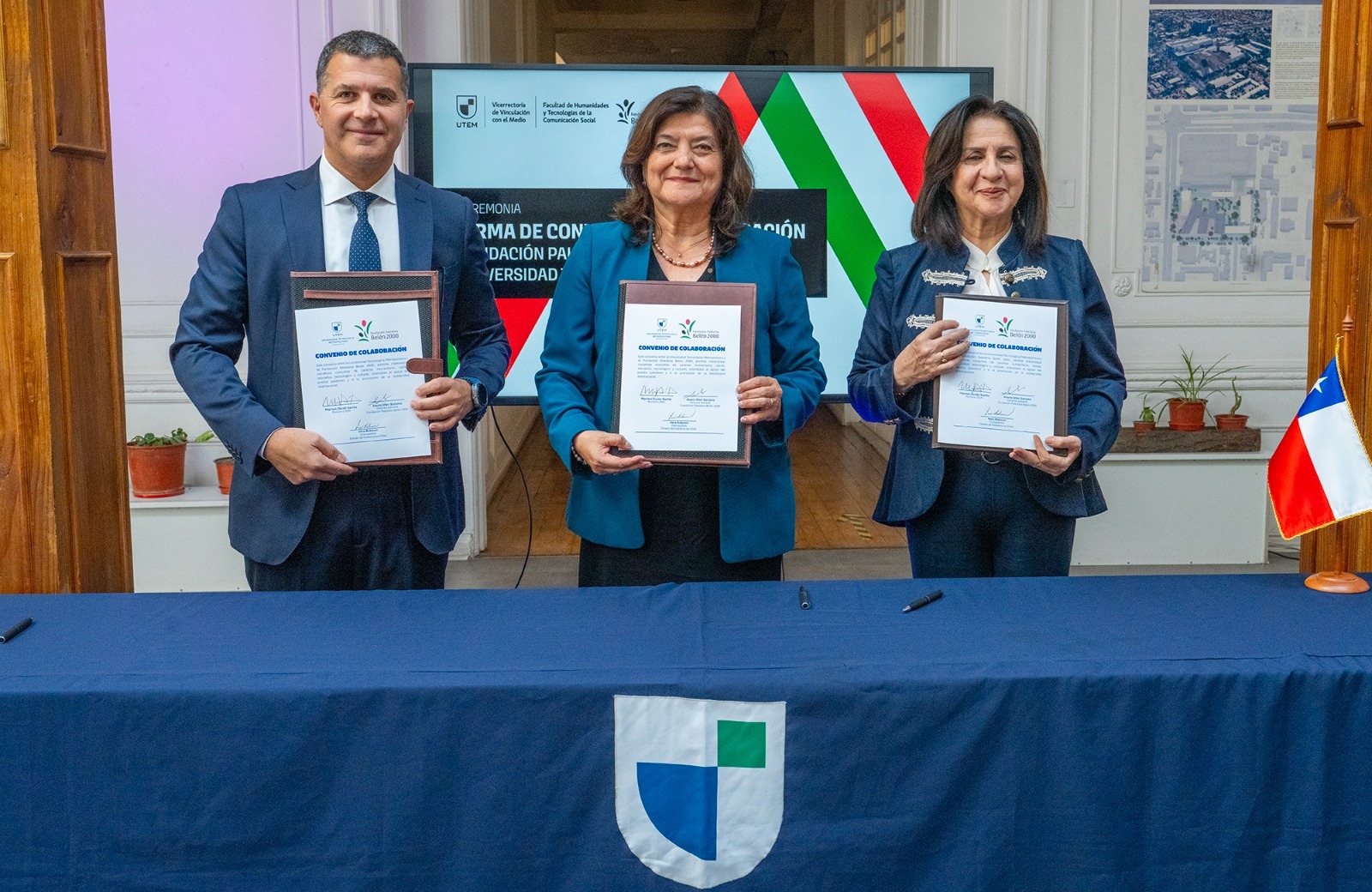
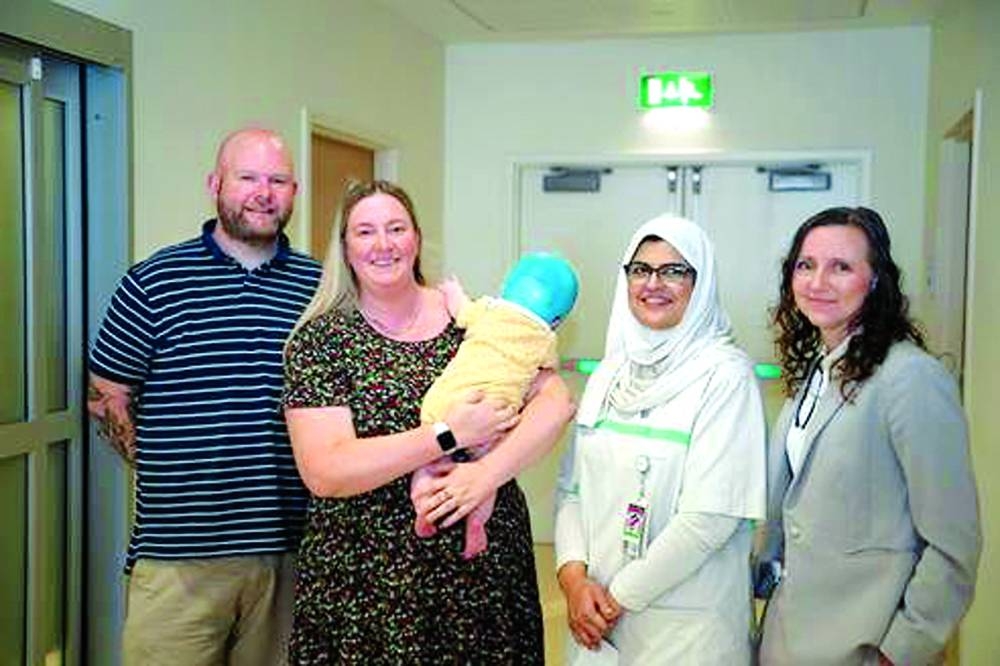
A new cooperation agreement signed in Chile will support children in Gaza who have lost limbs by developing upper-limb prosthetics through 3D printing, creating a small but important example of how diaspora partnerships, university expertise, and humanitarian action can come together around rehabilitation. According to SANA, the agreement was signed by Palestinian Ambassador to Chile Vera Baboun, Metropolitan Technological University (UTEM) President Marisol Durán Santis, and the Bethlehem 2000 Foundation of the Palestinian community in Chile.
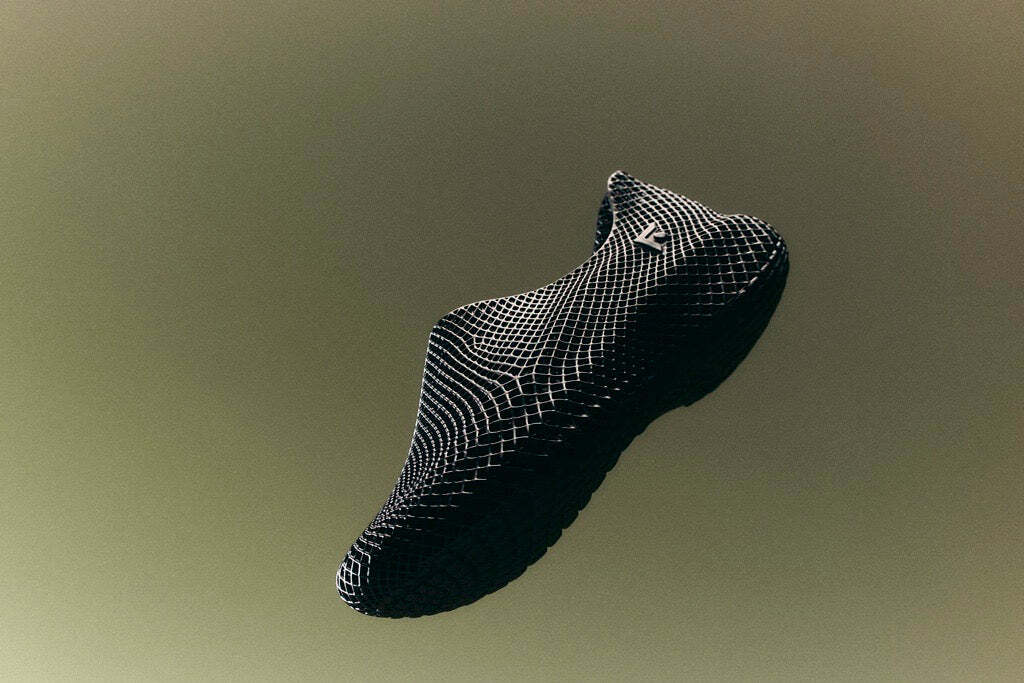
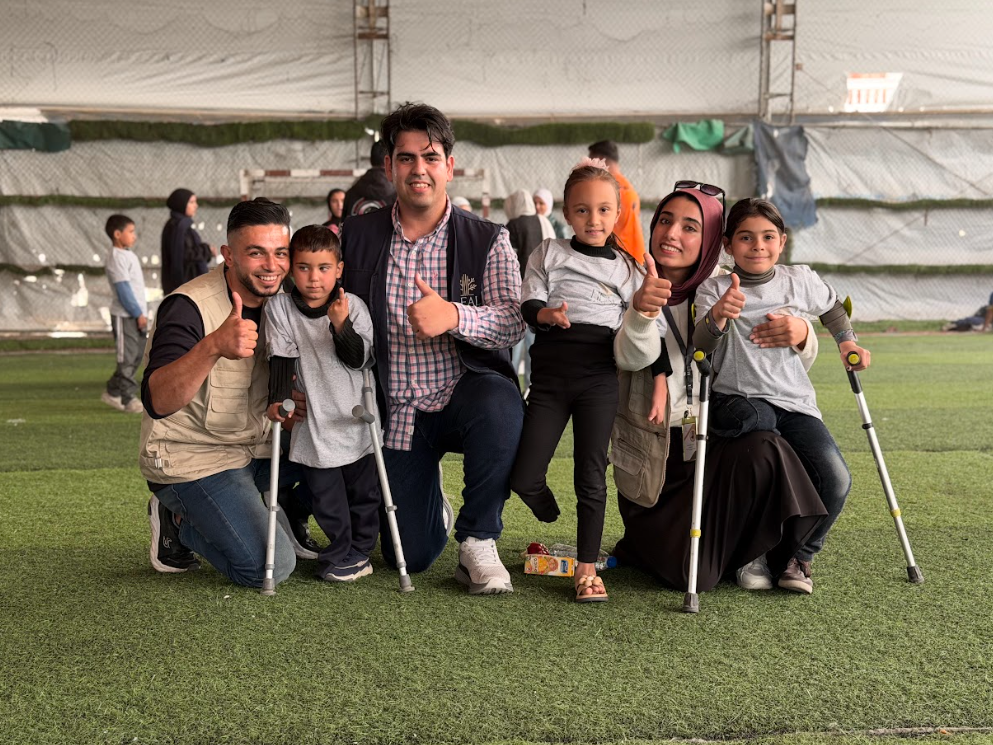
The initiative is designed to support children injured in Gaza as a result of the war, with UTEM’s Assistive Design Laboratory (LABDA) set to develop upper-limb prosthetics using 3D printing technology. The project also includes a travelling poster exhibition intended to highlight the humanitarian situation in Gaza and the resilience of the Palestinian people.
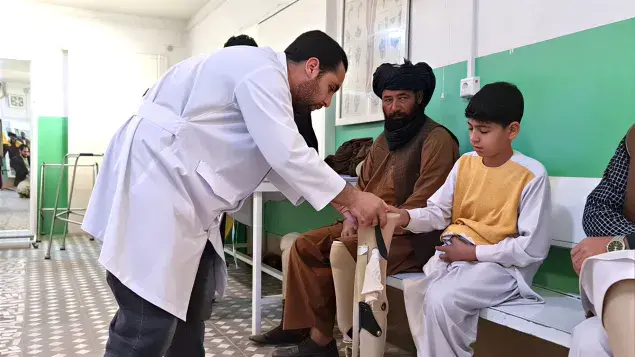
For IMEA CPO readers, the importance of the agreement lies in both its symbolism and its practical relevance. Gaza’s rehabilitation burden is now immense. SANA, citing Palestinian Health Ministry data, said around 6,000 Palestinians had lost limbs since October 2023 and require long-term rehabilitation. The report also cited a World Health Organization estimate from September that up to 17,500 people, including adults and children, suffered severe limb injuries requiring rehabilitation and assistance.
That means even relatively focused initiatives like this matter. A university-based programme producing upper-limb prosthetics will not resolve Gaza’s wider rehabilitation crisis on its own, but it does point to a model that could be replicated: pairing technical design capability with a clear humanitarian use case. In this instance, the use of 3D printing is especially relevant because it offers a route to customization, faster iteration, and potentially lower-cost prosthetic development for children whose needs may change over time. This is an inference, but it is strongly supported by the project’s design focus and target group.
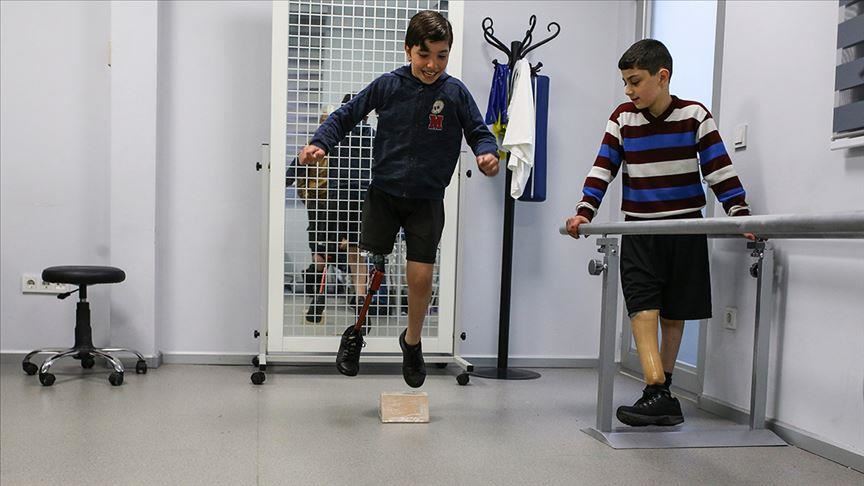
The agreement also reflects a wider truth about child amputation care in conflict settings. Children who lose limbs do not only need surgery or a one-time device. They need long-term rehabilitation, repeated fitting and replacement as they grow, therapy, psychosocial support, and stable follow-up. In Gaza, where health infrastructure has been devastated, those long-term pathways remain under intense strain. Recent reporting from humanitarian groups has repeatedly highlighted the growing number of child amputees and the collapse or fragmentation of prosthetic services inside Gaza itself.
In that context, the Chile initiative stands out because it links science and innovation with a direct humanitarian purpose. Ambassador Baboun described the agreement as a model of solidarity and said that using science and innovation to provide advanced prosthetics could help restore part of the children’s independence and improve their future prospects. That framing is important because it positions prosthetics not merely as aid items, but as tools of participation, dignity, and long-term recovery.
For the wider O&P sector, the story also highlights the growing role universities can play in prosthetic access. Academic laboratories are increasingly contributing to assistive technology through digital design, additive manufacturing, and interdisciplinary research. When that capability is connected to real patient need, especially in humanitarian settings, it can create new pathways for collaboration between engineers, clinicians, prosthetists, and community organizations. This is an inference, but it follows directly from the role assigned to LABDA in the agreement.
The bigger challenge, of course, remains scale. Gaza’s needs are far larger than any single project can absorb. But targeted initiatives still matter, particularly when they help demonstrate workable models for device development, solidarity, and cross-border support. In that sense, the Chile agreement is significant not because it solves the whole crisis, but because it turns concern into an actual rehabilitation mechanism for children who have already suffered life-changing injuries.