 By
By
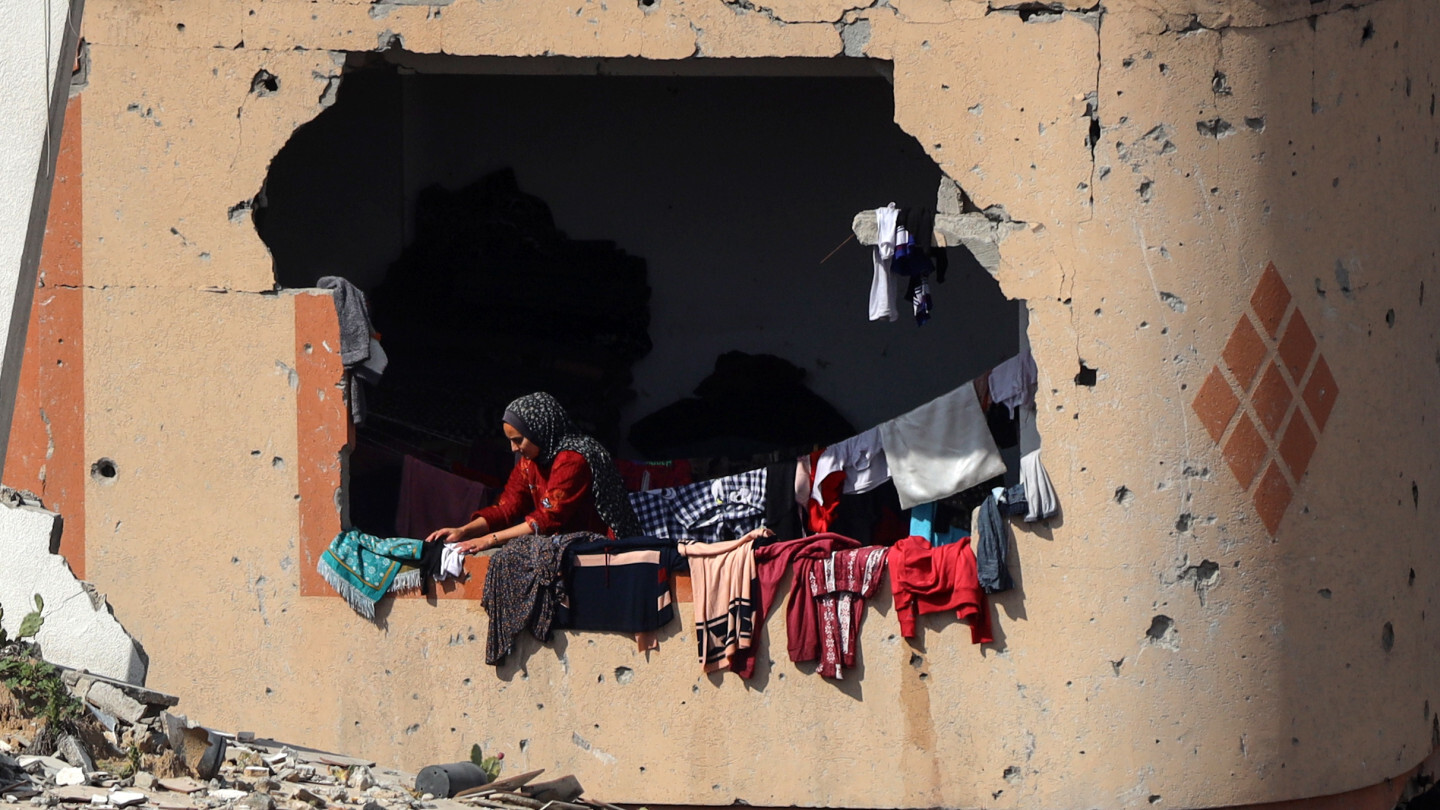
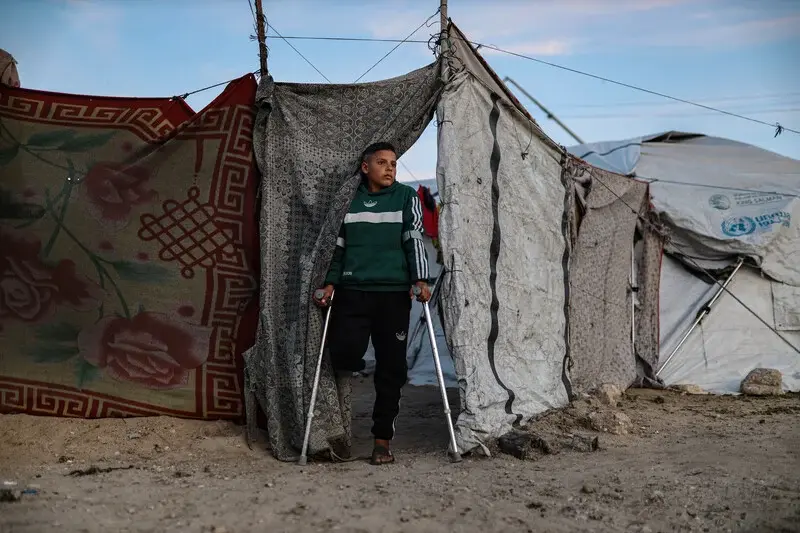
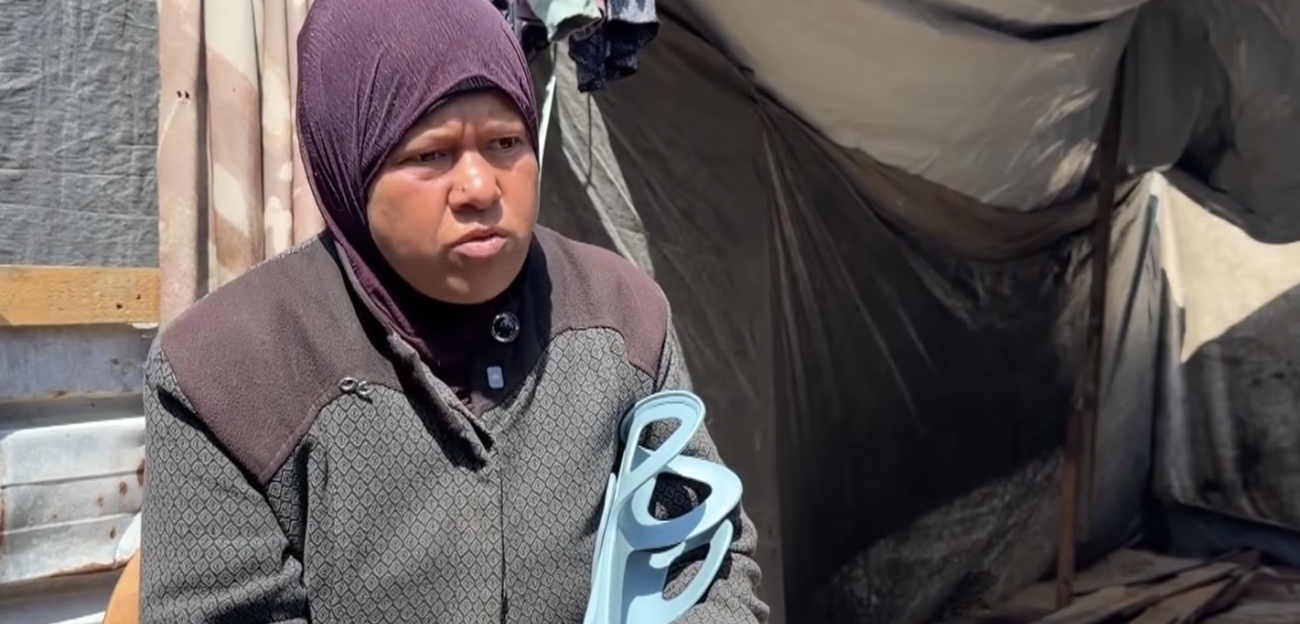
A powerful report by The New Arab has drawn attention to the daily reality of injured women in Gaza who have lost limbs, family members, homes and livelihoods, yet continue to work, care for children and support their households with little access to prosthetics, rehabilitation or specialist medical support. The article follows women including Israa Abu Libda, Reem al-Haddad and Umm Mohammed Abu Shawish, whose stories show how limb loss in Gaza is not only a surgical outcome, but a lifelong social, economic and psychological crisis.
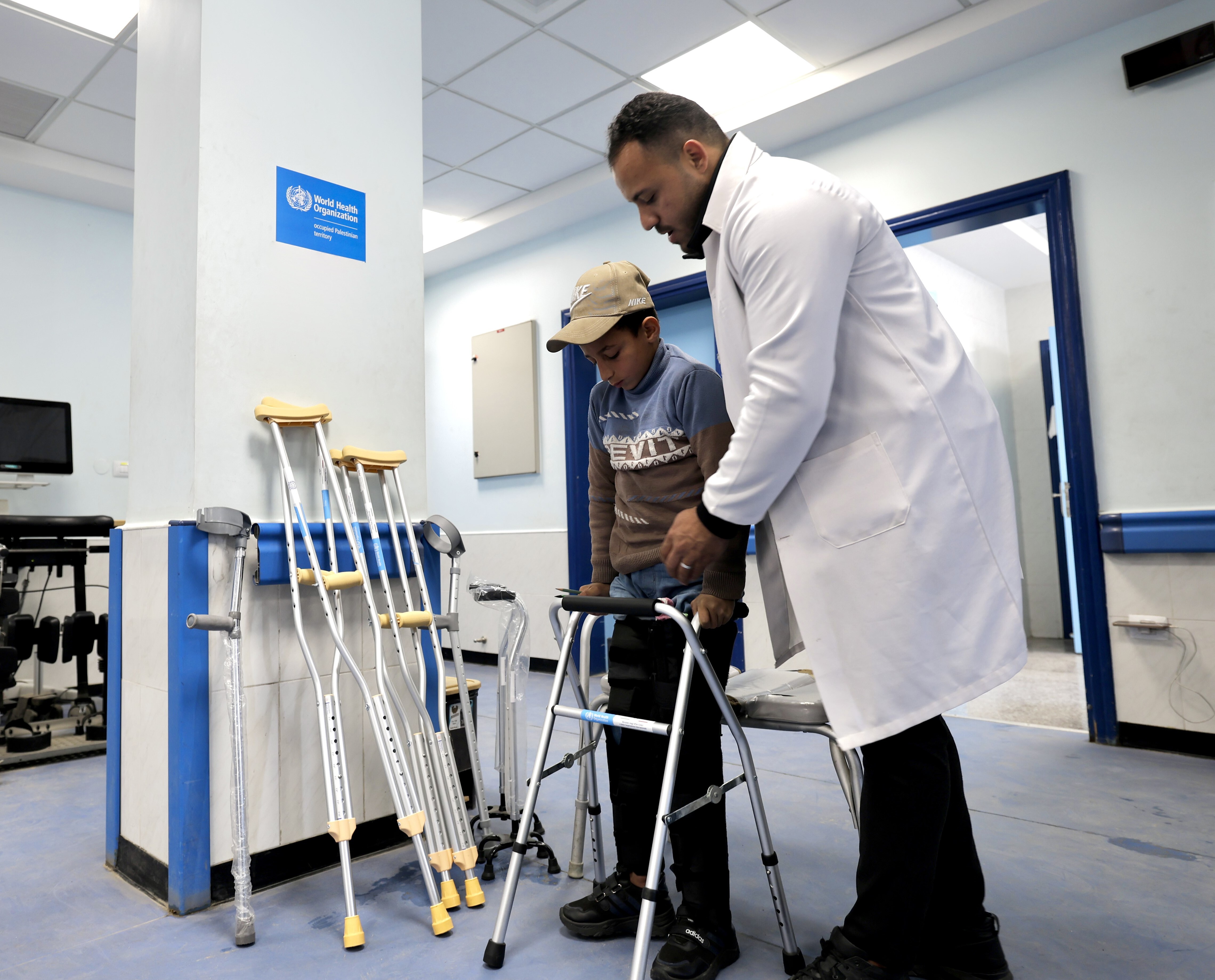
For prosthetics, orthotics and rehabilitation professionals, the article is a stark reminder that amputation care cannot end in the operating room. A woman who loses a leg or arm in Gaza may also lose her income, mobility, privacy, independence, family stability and access to follow-up care. Without prosthetic fitting, physiotherapy, pain management, psychosocial support and long-term device maintenance, survival becomes a daily struggle rather than a pathway to recovery.
Women Carrying Families Through Injury and Loss
The New Arab article opens with the story of Israa Abu Libda, a mother from northern Gaza who lost her husband and underwent an above-knee amputation after an Israeli airstrike near her home on 3 January 2024. Her children survived but were also injured, leaving her to rebuild both her own mobility and the family’s survival.
After displacement, surgery and repeated moves between shelters, Israa returned to what remained of her home and found her sewing machine still intact. She adapted her work so she could sew while seated, using embroidery as both a source of income and a way to preserve dignity for her family. The article describes how she now sells embroidered dresses with help from her sister, while caring for three injured children.
Reem al-Haddad, a 27-year-old teacher, lost her left arm above the elbow after her family home was hit. She later returned to teaching English online, despite poor internet access, power cuts and the challenge of learning to write and work with one hand. Umm Mohammed Abu Shawish, 45, lost her leg in a bombing at a market and now supports her family by preparing pastries and savoury pies over a wood-fired stove in Nuseirat refugee camp.
These are not only stories of resilience. They are evidence of a broader rehabilitation failure. Women are being forced to adapt to permanent disability while also carrying the burden of childcare, income generation, household survival and trauma recovery.
Gaza’s Amputation Crisis Is a Rehabilitation Emergency
The scale of injury in Gaza is immense. WHO reported in October 2025 that nearly 42,000 people in Gaza had life-changing injuries caused by the conflict, with one in four of these injuries affecting children. WHO also estimated that more than 5,000 people had undergone amputations, alongside widespread major limb injuries, spinal cord injuries, traumatic brain injuries and severe burns.
The New Arab report states that more than 5,000 Palestinians in Gaza, including more than 500 women, have undergone amputations since the war began. This figure is not just a medical statistic. It represents thousands of people who will require years of rehabilitation, prosthetic and orthotic care, assistive devices, surgical follow-up, pain management, psychological support and protection from social exclusion.
The rehabilitation need extends far beyond amputees. WHO’s trauma and rehabilitation analysis also identified more than 22,000 severe arm and leg injuries, over 2,000 spinal cord injuries, more than 1,300 traumatic brain injuries and more than 3,300 major burns. Each of these injury groups can require specialist rehabilitation, assistive technology, orthotic support, pressure care, mobility aids and long-term clinical follow-up.
Prosthetic Access Remains Severely Restricted
For amputees in Gaza, access to prosthetic care remains extremely limited. The Associated Press reported in December 2025 that Palestinians with amputations were facing shortages of prosthetic limbs, delays in medical evacuation and limited access to the few remaining facilities able to provide care. AP cited WHO estimates of roughly 5,000 to 6,000 amputees from the war, with children representing about 25% of cases.
Humanity & Inclusion warned in April 2026 that the growing number of amputees stands in sharp contrast to the limited availability of prosthetic care. Since January 2025, its Gaza team had assessed 293 amputation cases, with 118 people receiving prosthetic fitting, repair or maintenance, leaving the wider need far beyond available capacity.
This is where the O&P sector must be precise. A prosthesis is not a single donation item. It is a clinical service pathway. It requires residual limb assessment, wound healing, volume management, socket fitting, alignment, gait training, repair, replacement parts, psychological readiness and repeated follow-up. In Gaza’s current conditions, each of these steps is disrupted.
Why Women Amputees Face a Double Burden
The New Arab article highlights a point that is often under-addressed in prosthetic and rehabilitation planning: women with amputations can face a double burden. They must manage pain, disability and restricted mobility while also maintaining family roles, childcare, domestic responsibilities and income generation.
For women in Gaza, limb loss may affect:
- Ability to care for children and injured family members
- Access to privacy, washing and hygiene in displacement settings
- Ability to move safely through rubble, shelters and crowded spaces
- Ability to return to work or informal income generation
- Social confidence, body image and psychological wellbeing
- Access to menstrual health, maternal health and gender-sensitive care
- Risk of isolation if mobility aids, prostheses or transport are unavailable
The stories of Israa, Reem and Umm Mohammed show that women are continuing to work because they have no alternative. Their return to sewing, teaching and cooking is an act of survival, but it should not be mistaken for adequate recovery.
Rehabilitation Must Include Livelihoods and Family Support
The rehabilitation needs described in the article go beyond prosthetic fitting. Israa needs a prosthetic pathway, but she also needs support for her injured children, accessible housing, income security, pain management and psychosocial care. Reem needs upper-limb rehabilitation, one-handed functional training, possible prosthetic evaluation, digital access and mental health support. Umm Mohammed needs prosthetic maintenance, safe standing tolerance, workplace adaptation, nutrition and protection from overuse injury.
This is the reality of conflict-related rehabilitation. Limb loss does not happen in isolation. It affects the entire household.
For O&P and rehabilitation providers, this means care models must include:
- Prosthetic and orthotic assessment
- Physiotherapy and occupational therapy
- Pain and phantom-limb management
- Skin, wound and residual-limb care
- Mobility aids and wheelchairs where needed
- Psychological and trauma-informed support
- Gender-sensitive rehabilitation spaces
- Family education and caregiver support
- Livelihood and workplace adaptation
- Long-term repair and replacement planning
Without these components, the patient may receive a device but remain unable to resume life with dignity.
What the Regional O&P Community Should Learn
Gaza’s amputation crisis has implications across the IMEA region. It shows what happens when mass trauma, displacement, health-system collapse and prosthetic shortages occur at the same time. It also shows that emergency surgery must be connected to long-term rehabilitation from the beginning.
For regional prosthetic and orthotic communities, several priorities are clear:
- Emergency response planning must include prosthetic, orthotic and rehabilitation pathways
- Prosthetic components and fabrication materials should be treated as essential humanitarian supplies
- Women and children with limb loss need dedicated follow-up models
- Upper-limb and lower-limb prosthetic needs must both be addressed
- Local rehabilitation professionals require protection, support and supply chains
- Remote consultation and regional referral pathways should be strengthened where access is blocked
- Long-term disability inclusion must be part of recovery planning, not added later
Gaza also underlines the need for better regional coordination. Hospitals, NGOs, O&P clinics, academic institutions, manufacturers and professional bodies should be prepared to support training, technical guidance, component supply, tele-rehabilitation and evacuation-linked prosthetic care when humanitarian access permits.
A Call for Long-Term Rehabilitation, Not Short-Term Sympathy
The women profiled by The New Arab do not ask to be reduced to victims. Their stories are about work, motherhood, dignity and survival. But dignity should not be confused with self-sufficiency in the absence of care. The fact that women are sewing, teaching and cooking after limb loss does not mean the system is working. It means they are carrying impossible burdens because support is missing.
The international rehabilitation and O&P community should respond with long-term thinking. Gaza’s injured women will need years of care: not only first prostheses, but replacement sockets, paediatric growth adjustments for children, repairs, stump care, physiotherapy, vocational reintegration and psychosocial support.
Outlook
The New Arab’s report captures the human reality behind Gaza’s injury statistics. Women who have lost limbs are continuing to support families, educate children, prepare food and preserve traditions while living with permanent injuries and scarce medical support. Their resilience is extraordinary, but it should not be the substitute for rehabilitation.
For the IMEA CPO community, the lesson is urgent. Prosthetics and orthotics are not optional after mass trauma. They are part of survival, recovery and dignity. Gaza’s injured women need safe access to specialist care, functional prostheses, rehabilitation services, assistive technology, psychological support and the chance to rebuild lives beyond emergency survival.
The region’s response should be measured not only by how many devices are delivered, but by whether women like Israa, Reem and Umm Mohammed can move, work, care for their families and live with dignity over the long term.
- Original article: The New Arab – Gaza’s injured women forced to rebuild lives amid genocide
- WHO EMRO – Gaza’s many injured will need rehabilitation care and support for years to come
- WHO report: Estimating trauma and rehabilitation needs in Gaza
- Humanity & Inclusion – Escalating amputation crisis in Gaza amid severe prosthetics shortage
- AP News – Gaza amputees struggle to rebuild lives amid prosthetic shortages
- ReliefWeb / Health Cluster – Occupied Palestinian Territory Rehabilitation Task Force
- WHO Rehabilitation 2030 Initiative
- International Society for Prosthetics and Orthotics