 By
By
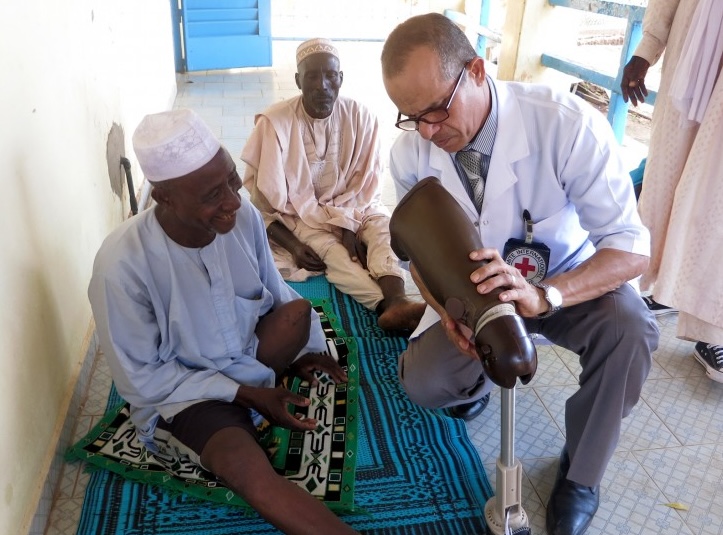
Niger is one of West Africa’s most important countries for understanding the future of rehabilitation, prosthetics, orthotics and assistive technology in the Sahel. With a fast-growing population, high poverty levels, large rural communities and major humanitarian pressures, the country faces significant demand for physical rehabilitation services, but has limited specialist capacity to meet that need.
The World Bank estimates Niger’s population at around 27 million in 2024, with GDP per capita of approximately US$735. Life expectancy at birth was reported at around 61 years in 2024, underlining the wider health and development challenges facing the country. These indicators point to a context where rehabilitation must be affordable, decentralised and connected to broader health, disability and humanitarian systems.
Health System and Rehabilitation Context
Niger’s rehabilitation needs are shaped by several overlapping pressures: poverty, rural access barriers, conflict-affected border areas, road traffic injuries, childhood disability, non-communicable disease, trauma and limited availability of specialist health workers.
The WHO’s country data for Niger shows that life expectancy improved substantially between 2000 and 2021, but remains low by global standards. WHO’s 2024 “Health at a Glance” profile for Niger also noted a population of more than 26 million in 2023, with a projected increase of more than 100% by 2050. This demographic growth will place further pressure on health, rehabilitation and assistive technology systems.
For prosthetics and orthotics, this matters because demand is likely to increase across multiple patient groups:
- Children with congenital, neurological or developmental conditions requiring orthotic management
- Amputees requiring prosthetic fitting, physiotherapy and long-term repair services
- People injured by conflict, trauma or road traffic accidents
- Stroke survivors and people with neurological impairment requiring rehabilitation
- People with diabetes or vascular disease who may need foot care, orthoses or amputation rehabilitation
- Older adults who require mobility aids, bracing, walking support or community rehabilitation
Niger’s geography also complicates service delivery. A centralised hospital-based model cannot easily meet the needs of people living in remote regions, especially where transport costs, insecurity and household poverty limit access to repeated clinical visits.
Disability and Social Inclusion
Disability inclusion in Niger is closely linked to poverty, education, conflict exposure and access to basic services. Humanity & Inclusion reports that its programme in Niger supports the inclusion of children and adults with disabilities, as well as vulnerable populations affected by climate-related disasters and communities in cross-border areas impacted by armed conflict.
This is important for the O&P sector because prosthetic and orthotic services are rarely just technical interventions. A prosthesis, AFO, KAFO, spinal orthosis, mobility aid or wheelchair can directly affect whether a person can attend school, work, participate in family life, reach healthcare services or remain socially included.
In a country such as Niger, disability inclusion must therefore connect clinical care with wider community support. Device provision alone is not enough. Patients also need assessment, fitting, gait training, follow-up, repairs, user education, family involvement and protection from stigma or exclusion.
Prosthetics and Orthotics Capacity
Niger has a recognised national link to the global prosthetics and orthotics community through ISPO Niger. According to the International Society for Prosthetics and Orthotics, ISPO Niger intends to organise workshops for orthoprosthetists and physiotherapists working in orthopaedics, as well as short training sessions for assistant-technicians. The member society also has a long-standing relationship with the Niger Physiotherapist Association, with collaboration on physical rehabilitation issues in the country.
This is a positive foundation. It suggests that Niger has local professional leadership and an existing rehabilitation network that can support workforce development. However, the overall service environment remains constrained by the familiar challenges seen across many low-resource rehabilitation systems:
- Shortage of trained prosthetists, orthotists and orthopaedic technologists
- Limited continuing professional development opportunities
- Dependence on a small number of workshops or referral centres
- Difficulty sourcing components, polypropylene, EVA, resins, foams, tools and workshop materials
- Limited ability to provide outreach, follow-up and repairs in rural areas
- High out-of-pocket costs for patients and families
- Weak integration of O&P into primary healthcare and universal health coverage planning
ISPO’s wider guidance on prosthetics, orthotics and assistive technology emphasises that prosthetic and orthotic devices are part of habilitation and rehabilitation programmes, not isolated products. This distinction is especially important for Niger, where the long-term success of a device depends on fitting quality, training, maintenance and the availability of repeat services.
Humanitarian Pressures and Rehabilitation Need
Niger’s rehabilitation sector is also affected by the wider humanitarian situation in the Sahel and Lake Chad Basin. Conflict, displacement, food insecurity, climate-related disasters and cross-border insecurity all increase the vulnerability of people with disabilities and can create new rehabilitation needs through injury, trauma and loss of access to care.
A UNHCR-linked Niger document identified an ICRC-supported prosthetic and orthotic project and noted that the few physical rehabilitation centres in the country lacked qualified personnel. Although this is an older humanitarian reference, it reflects a continuing challenge: physical rehabilitation capacity is thin, and humanitarian crises can quickly overwhelm existing services.
Humanity & Inclusion’s current Niger programme also highlights support to vulnerable populations affected by climate-related disasters and communities in conflict-affected cross-border areas. This reinforces the need for rehabilitation planning to be included in emergency preparedness, humanitarian response and long-term recovery.
For O&P professionals, this means Niger requires more than fixed-location workshops. It needs resilient service models that can function during disruption, support displaced populations, and connect emergency care with long-term rehabilitation.
Assistive Technology and Service Delivery Gaps
Assistive technology in Niger should be understood broadly. Prostheses and orthoses are part of a wider ecosystem that includes wheelchairs, crutches, walking frames, special seating, footwear, pressure-relief devices, communication aids, vision aids and environmental adaptations.
WHO’s Rehabilitation 2030 agenda calls for rehabilitation to be strengthened within health systems and made available closer to communities. The Convention on the Rights of Persons with Disabilities also obligates countries to promote access to mobility aids, assistive devices and rehabilitation services.
For Niger, the practical challenge is turning these principles into reachable services. That requires:
- Mapping existing rehabilitation and O&P providers
- Identifying unmet need by region
- Building referral pathways from hospitals, trauma care, paediatrics and community health
- Training mid-level rehabilitation and workshop personnel
- Improving supply chains for components and materials
- Creating affordable repair and maintenance systems
- Integrating assistive products into public health financing and NGO programmes
Without these elements, devices may be delivered inconsistently, fitted late, abandoned because of discomfort, or left unrepaired when small technical issues arise.
Key Challenges for O&P and Rehabilitation in Niger
Niger’s prosthetics, orthotics and rehabilitation sector faces several linked challenges:
- Large rural population with limited access to specialist centres
- High poverty and limited ability to pay for devices and follow-up
- Shortage of trained prosthetic, orthotic and rehabilitation professionals
- Conflict and humanitarian pressures in border regions
- Limited availability of quality components, materials and workshop equipment
- Need for stronger professional training and assistant-technician pathways
- Weak integration of rehabilitation into primary healthcare and public financing
- Limited national data on assistive technology need and service coverage
- Need for stronger paediatric orthotic, clubfoot, cerebral palsy and mobility services
These challenges are serious, but they also identify where targeted investment can have the greatest impact.
Opportunities for Development
Niger has several important opportunities to strengthen prosthetics, orthotics and rehabilitation access.
First, ISPO Niger provides a professional platform that can support workshops, clinical education, technician development and collaboration between orthoprosthetists and physiotherapists. This type of professional coordination is essential for building local standards and improving service quality.
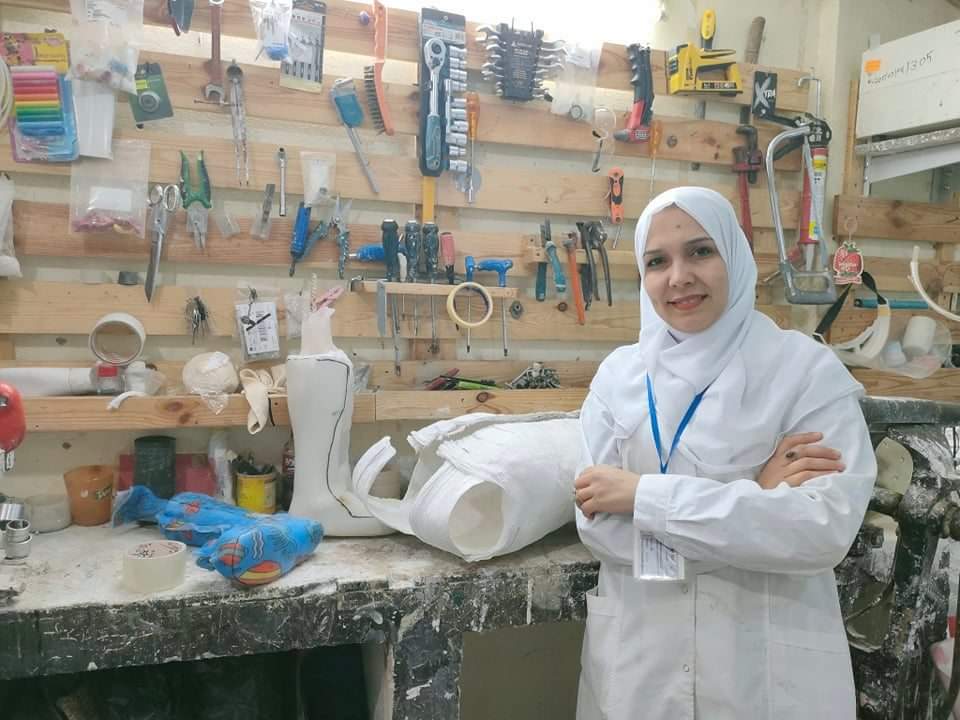
Second, Niger could benefit from a stronger assistant-technician and mid-level workforce model. In a country with large distances and limited specialist availability, trained technicians and rehabilitation assistants can help extend basic services, support repairs, assist with follow-up and improve continuity of care.
Third, humanitarian and development partners should treat rehabilitation as an essential service, not an optional add-on. In conflict-affected and climate-affected regions, physical rehabilitation should be included in emergency health response, disability inclusion programming and recovery planning.
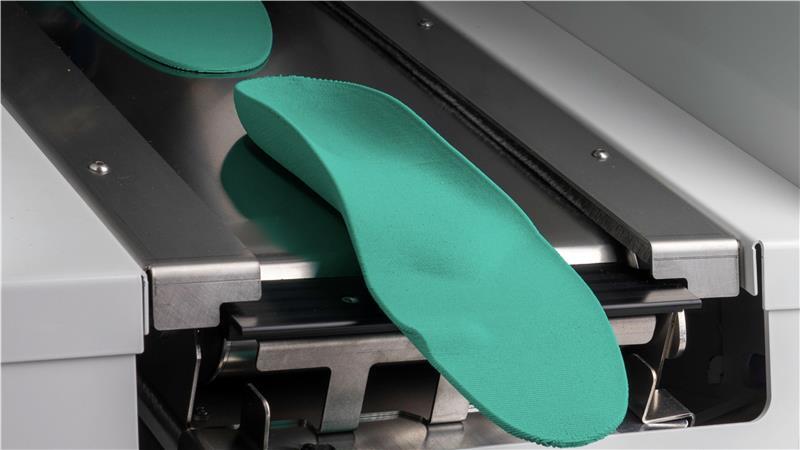
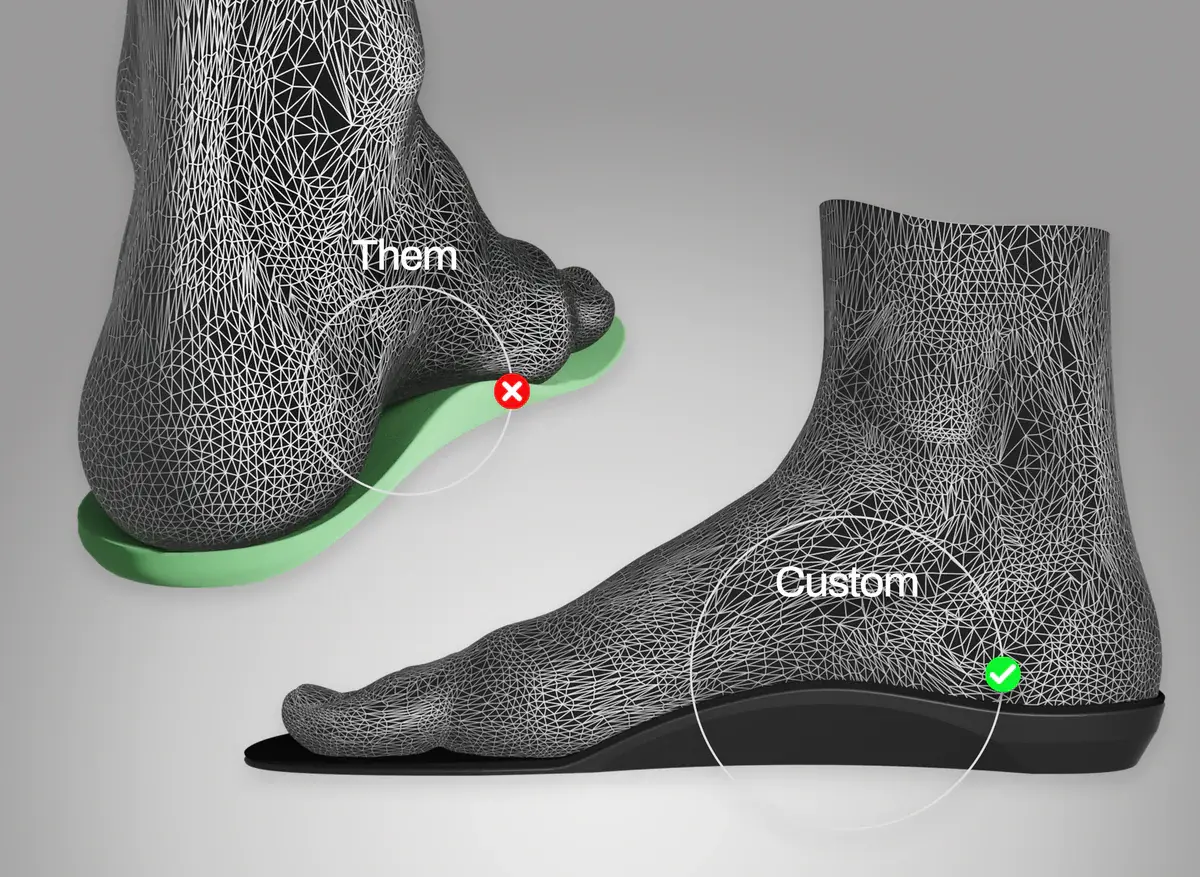
Fourth, appropriate digital and low-cost fabrication methods may have a role if introduced carefully. 3D scanning, simple CAD modification, low-cost orthotic fabrication, modular prosthetic systems and local repair workflows could help extend access, but only where training, clinical governance and long-term follow-up are in place.
Fifth, Niger needs better assistive technology data. Mapping demand for prostheses, orthoses, wheelchairs, walking aids and paediatric mobility support would help government, NGOs, donors and professional bodies allocate resources more effectively.
Outlook
Niger’s prosthetics and orthotics sector operates in one of the most challenging health and humanitarian environments in West Africa. Yet the country has important foundations: an ISPO member society, collaboration with physiotherapy professionals, NGO engagement, and a clear need for expanded rehabilitation and assistive technology services.
The next stage should focus on building a more connected rehabilitation system. That means linking hospitals, O&P workshops, physiotherapy services, disability organisations, humanitarian actors, community health teams and policy-makers into a more coordinated pathway of care.
For Niger, the goal should not only be to provide more prostheses and orthoses. It should be to build sustainable access to appropriate, affordable and locally maintainable rehabilitation services—so that people with disabilities can move, work, study, participate and live with greater independence.
- World Bank Niger Data
- World Bank Data360 Niger Economy Profile
- WHO Niger Country Data
- Humanity & Inclusion Niger
- ISPO Niger Member Society
- ISPO Prosthetics, Orthotics and Assistive Technology
- WHO Rehabilitation 2030 Initiative
- WHO Standards for Prosthetics and Orthotics via ISPO
- WHO and UNICEF Global Report on Assistive Technology