 By
By
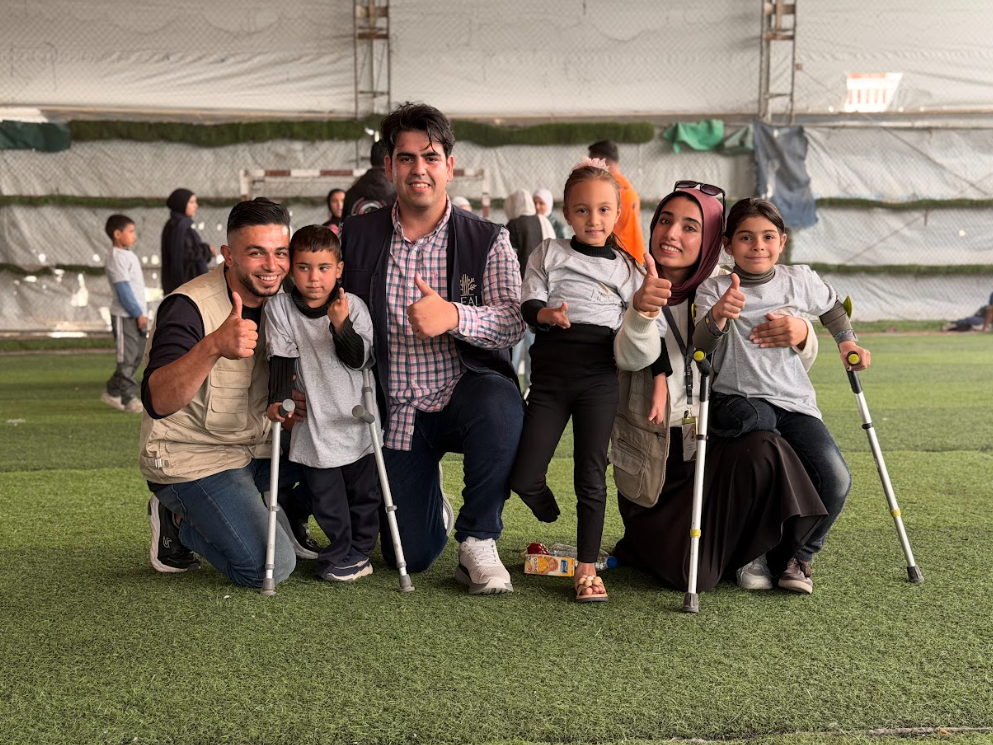
A new impact story from HEAL Palestine puts the focus on one of the most difficult long-term consequences of the war in Gaza: the growing number of children living with life-altering amputations and the years of recovery that follow. The organization says emergency surgery may save a child’s life, but it is only the beginning of a much longer process that requires prosthetic care, rehabilitation, psychological support, education continuity, and basic family stability.
According to HEAL Palestine, its Amputee Program was created as a cross-pillar response that combines health, education, aid, and leadership rather than treating prosthetic provision as a standalone intervention. The organization frames this as a coordinated model of care designed to support children not only medically, but also socially and emotionally as they rebuild daily life.
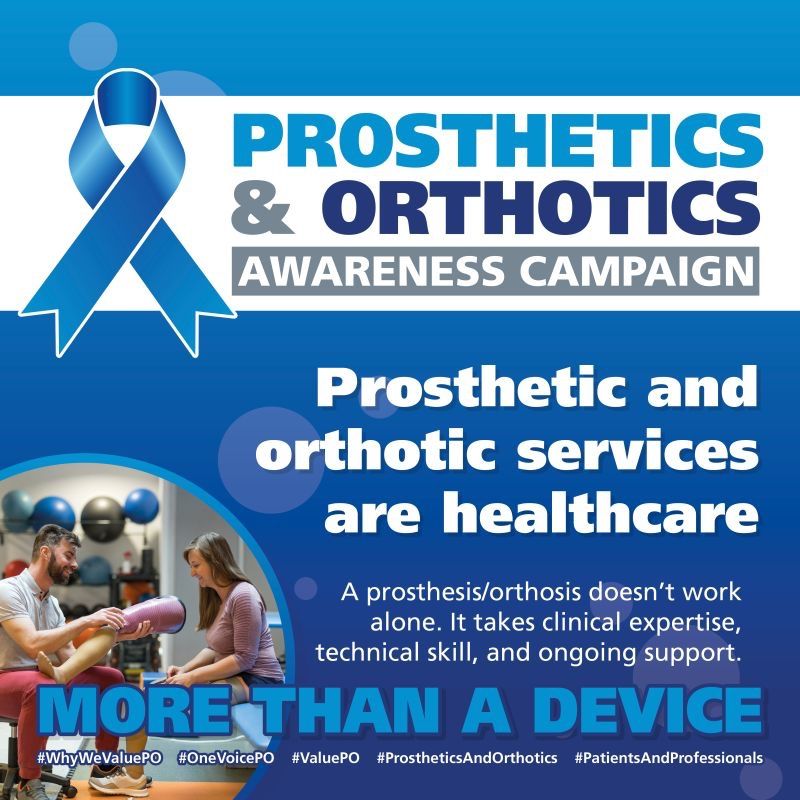
That point matters. For IMEA CPO readers, one of the strongest messages in the report is that a prosthetic limb on its own is not enough. HEAL Palestine explicitly argues that rehabilitation without mental health support is incomplete, and that neither can be sustained without family stability and continued access to school. In other words, the article presents amputation recovery not as a single clinical event, but as a long-term system of support.
A child-centred model, not a one-time fitting
HEAL Palestine’s article profiles several children currently living through very different forms of limb loss and recovery in Gaza. Alaa, 15, lost his right leg below the knee and had regained mobility with a prosthesis, even playing amputee football, before the war damaged his device and disrupted his independence again. Farah, also 15, had already gone through one rehabilitation journey after losing her right leg, only to face a second major injury to her left leg in 2023. Ghada, 8, lost her right arm after an attack while sheltering in a school and has had to navigate both physical recovery and the emotional strain of returning to school after trauma.
Other stories show how broad the need really is. Joud, 5, lost one finger and movement in the remaining fingers of his hand after an attack on a displacement shelter. Marwan, 15, was born with a below-knee amputation and had built independence through prosthetic use and amputee football, but later lost his mother in the war and now needs both physical and psychological rehabilitation. Malak, 7, lost her right leg above the knee when her home was targeted, while Mohammed and Muath, both 12, are also trying to rebuild mobility, confidence, and school participation after limb loss and trauma.
These individual stories make the broader point more clearly than any statistic alone: recovery for child amputees is rarely linear. It involves repeated fittings, device replacement as children grow, physical therapy, mental health support, and long-term follow-up. In conflict settings, those needs become even harder to meet because displacement, bereavement, damaged infrastructure, and disrupted schooling all add new layers of difficulty. This is an inference from the cases HEAL Palestine presents, but it is strongly supported by the report’s own structure and examples.
Why this matters for rehabilitation and O&P
For the O&P sector, the article is a reminder that child amputation care in conflict zones cannot be reduced to emergency response or one-off device delivery. A child who loses a limb may need years of support, especially in a context where family life, schooling, housing, and access to care have all been destabilized. HEAL Palestine’s model is notable precisely because it tries to keep those pieces connected rather than treating each one separately.
The organization’s four-part structure includes:
- Health: prosthetic design, fittings, surgeries, rehabilitation, and medical monitoring
- Education: helping children stay in school or return to learning during recovery
- Aid: supporting essential family needs so children can focus on healing
- Leadership: helping build long-term pathways for treatment and reintegration into society
That is highly relevant for IMEA CPO audiences because it reflects a more realistic view of what successful recovery actually requires. In lower-resource or conflict-affected environments, the failure point is often not only the lack of a prosthesis. It is the absence of the wider ecosystem needed to make prosthetic use meaningful and sustainable.
Beyond walking again
HEAL Palestine’s framing is especially important because it refuses to define success only as helping a child walk again. Instead, the article suggests that the real goal is rebuilding a life: restoring participation, confidence, education, and a sense of future after catastrophic injury. That broader view aligns closely with how many rehabilitation professionals understand long-term functional outcomes, even if funding and public narratives often focus much more narrowly on visible device delivery. This is an inference, but it fits the article’s emphasis on education, psychosocial care, and reintegration.
For IMEA CPO readers, the takeaway is clear. The challenge in Gaza is not only producing more prostheses. It is building and maintaining the long-term support systems that allow children with limb loss to grow, adapt, and participate fully in life despite trauma, displacement, and war.
Bottom line
The new HEAL Palestine amputee programme story is less about a single project update and more about the reality of child rehabilitation in Gaza. Emergency care may save lives, but recovery depends on much more: prosthetic care, therapy, psychosocial support, family aid, and access to education over the long term. In that sense, the article offers an important reminder that child amputee care is never just about replacing a limb. It is about rebuilding the conditions for childhood itself.