 By
By
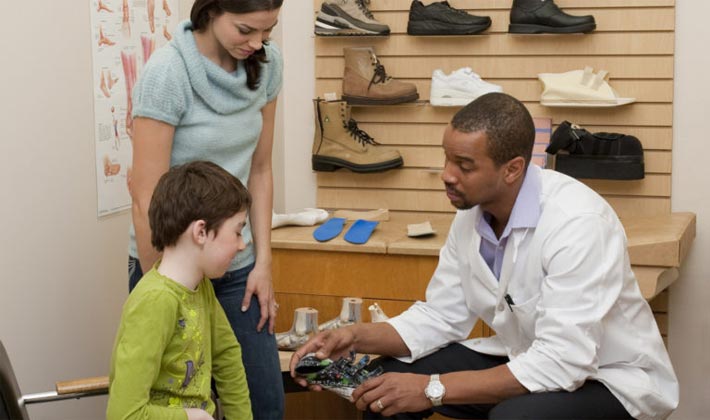
As orthotics and prosthetics markets across the IMEA region continue to mature, one of the most overlooked opportunities may be the introduction of pedorthic education and the wider development of pedorthists as part of the rehabilitation workforce.
In many IMEA markets, certified prosthetist-orthotists already manage a broad mix of lower-limb needs, often covering everything from orthoses and prostheses to footwear-related challenges, diabetic foot protection, pressure relief, gait adaptation, and partial foot follow-up. But that does not mean the current model is optimal. In fact, it may point to a gap: the region has significant lower-limb and foot-related need, yet relatively little formal workforce development focused specifically on foot orthoses, therapeutic footwear, shoe modification, and footwear-based limb preservation.
That is where pedorthics could become highly relevant.
According to the American Board for Certification in Orthotics, Prosthetics & Pedorthics, a pedorthist is an allied health professional who manufactures, fits, modifies, and provides patients with foot orthoses and shoes. ABC’s scope documents further describe pedorthic care as including therapeutic shoes, shoe modifications, foot orthoses, and some partial-foot related devices.
That may sound narrow at first. In reality, it is not. In IMEA, it could sit directly at the intersection of some of the region’s biggest unmet needs: diabetic foot care, limb preservation, lower-limb pressure management, post-amputation footwear solutions, paediatric footwear-related support, clubfoot follow-up, and the growing demand for practical mobility solutions in ageing and chronic-disease populations.
The opportunity begins with demand. The World Health Organization says more than 2.5 billion people globally need one or more assistive products today, and 2.4 billion could benefit from rehabilitation. WHO also says need will rise sharply, with an estimated 3.5 billion people expected to need assistive technology by 2050.
In IMEA, that demand is not abstract. Across the region, CPOs are already seeing the effects of diabetes, vascular disease, ageing, trauma, partial foot amputation, neurological conditions, and musculoskeletal disorders. Many of these patients do not initially need a major orthosis or prosthesis. They need better footwear, better pressure redistribution, better foot orthoses, better shoe modifications, and earlier intervention before limb loss happens.
That is why pedorthics matters.
Why this could be good for CPOs rather than competitive with them
Some clinicians may worry that introducing pedorthists could dilute or fragment O&P practice. In reality, it could do the opposite if structured properly.
A stronger pedorthic pathway could create an opportunity for CPOs to move upstream into prevention and deeper into lower-limb specialisation, rather than remaining concentrated mainly around post-amputation or higher-complexity orthotic care. It could also help clinics build more layered service models, where routine footwear and foot-orthotic work is handled more efficiently, while CPOs focus on complex assessment, advanced orthotic management, prosthetic care, and multidisciplinary coordination.
In other words, pedorthics does not have to reduce the role of CPOs. It can expand the ecosystem around them.
This is especially important in diabetic foot care. The Pedorthic Association of Canada notes that professionally fitted footwear, orthopaedic shoes, custom foot orthotics, and ongoing pedorthic review can play a major role in protecting people with diabetes from ulceration and recurrent breakdown. It also highlights that poorly fitting shoes are a major contributor to diabetic foot complications.
For IMEA markets, that has major implications. In many countries across Africa, the Middle East, and India, the rehabilitation conversation still starts too late, often after ulceration, infection, deformity, or amputation. Pedorthic education could help change that by strengthening the footwear, offloading, and preventive care layer of the pathway.
That is not just clinically valuable. It is commercially valuable too.
A new service line for O&P businesses
For many O&P clinics in IMEA, pedorthics could open a more accessible and scalable business segment than major prosthetic intervention alone.
Not every patient can afford a high-end prosthesis or advanced custom orthosis. But many more patients may be able to access:
- custom foot orthoses
- therapeutic insoles
- diabetic footwear
- shoe raises and modifications
- rocker sole adaptations
- partial-foot footwear solutions
- paediatric footwear support
- post-amputation protective footwear
These services can create repeat clinical contact, earlier referrals, and stronger long-term relationships with patients who may later need more advanced orthotic or prosthetic support.
For private clinics, that means a broader base of lower-limb care.
For hospitals, it means a better limb-preservation and discharge pathway.
For NGOs and humanitarian programmes, it means a practical intervention category that can be delivered at scale.
For CPOs themselves, it means an opportunity to build a stronger role in foot health, prevention, and long-term mobility preservation.
Why IMEA is particularly well suited
The IMEA region may actually be especially well suited to pedorthic development because the region combines several strong demand drivers at once:
- rising diabetes and diabetic foot burden
- high levels of preventable lower-limb complication
- limited access to podiatry in many markets
- growing demand for lower-cost mobility interventions
- large numbers of partial-foot and lower-limb patients needing follow-up
- strong need for practical, workshop-linked solutions rather than only highly medicalized pathways
In many IMEA countries, podiatry is still limited, unevenly distributed, or poorly integrated into rehabilitation systems. That means CPOs are often already the closest available professionals with the technical and biomechanical skill base to support structured pedorthic development.
This creates a realistic pathway: not necessarily importing a foreign profession exactly as-is, but building pedorthic education modules, certificates, or sub-specialisations that work within local O&P realities.
What this could look like in practice
The opportunity is probably strongest if pedorthics in IMEA is introduced in a pragmatic way.
That could include:
- pedorthic modules inside existing O&P education
- postgraduate certificates for CPOs
- technician upskilling in therapeutic footwear and shoe modification
- diabetic foot and limb-preservation service lines inside O&P clinics
- stronger collaboration between CPOs, wound-care teams, endocrinologists, rehab physicians, and orthopaedic services
The goal should not be to create unnecessary professional silos. It should be to build a more complete lower-limb service model.
ABC’s current standards describe pedorthics as a profession that combines clinical and technical skills around patient evaluation, treatment planning, fabrication, fitting, and adjustment of pedorthic devices. That profile is already highly compatible with the workshop-and-clinic strengths of many CPOs and O&P teams.
The strategic opportunity
The biggest strategic value of pedorthic education may be that it helps reposition CPOs not only as device providers, but as key players in mobility preservation.
That is a powerful shift.
If IMEA CPO markets want to move closer to prevention-led rehabilitation, stronger diabetic foot pathways, and broader assistive access, then the region will need more than prostheses and large orthoses alone. It will need professionals who can intervene earlier, more affordably, and more routinely at foot and footwear level.
Pedorthic education could help create that layer.
For CPOs, that means new relevance, new referral streams, new business opportunities, and a bigger role in one of the most important lower-limb health challenges across IMEA: preventing avoidable mobility decline and avoidable limb loss before they happen.
Bottom line
The introduction of pedorthic education across IMEA should not be seen as a side issue. It could become a major opportunity for CPOs, clinics, and rehabilitation systems alike.
Done well, it could help the sector:
- expand into diabetic foot and limb preservation
- strengthen footwear and foot orthotic services
- create more scalable lower-limb care models
- open new commercial opportunities for O&P businesses
- improve long-term patient outcomes through earlier intervention
In short, pedorthics could give IMEA CPOs a chance to move beyond replacement and correction alone, and more firmly into prevention, protection, and preservation.
Suggested hyperlinks:
- ABC overview: Pedorthist
- ABC scope definitions for pedorthic devices
- ABC certified pedorthist scope
- WHO assistive technology fact sheet
- WHO operational update on health emergencies and rehabilitation need
- Pedorthic benefits for diabetic foot health
- Managing diabetes: what role can a pedorthist play?